




Understanding Your Pet’s Fear
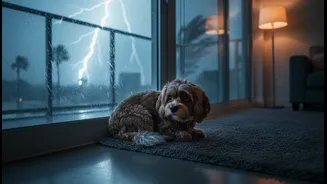
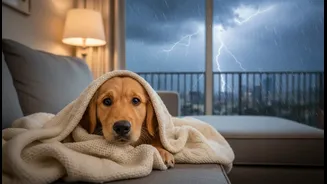
Pets can sense storms long before we do, thanks to their sensitivity to changes in barometric pressure and static electricity in the air. The loud, unpredictable claps of thunder and bright flashes of lightning can trigger a genuine phobia known as astraphobia.
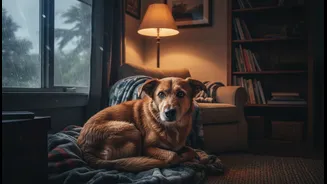
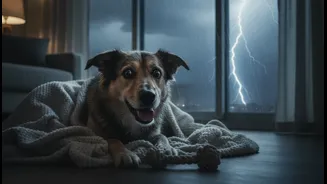
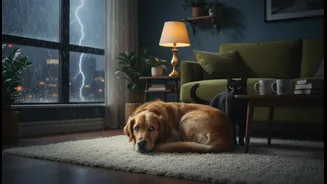
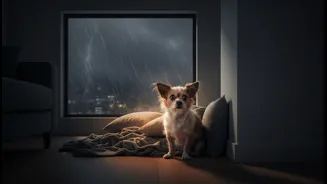
Signs of stress can range from subtle to severe, including panting, pacing, trembling, whining, hiding, or even destructive behaviour. Recognizing these signs is the first step toward helping your furry companion. It is important to never punish your pet for showing fear, as this can worsen their anxiety.
Create a Safe Haven or 'Den'
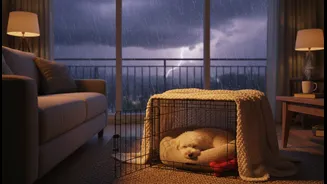
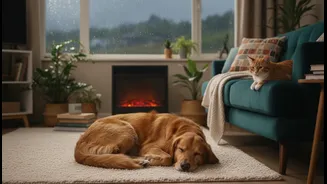
An essential strategy is to provide a secure space where your pet can retreat. In an apartment, this could be a crate, a closet, or even a bathroom. The ideal space is an interior room with few or no windows, which helps to muffle sound and block out lightning. Make this 'den' comfortable with their favourite blankets, bedding, and a toy. It’s crucial to leave the door of the crate or room open, so your pet feels secure but not trapped. Allowing them to choose their own hiding spot can also give them a sense of control.
Mask the Sights and Sounds
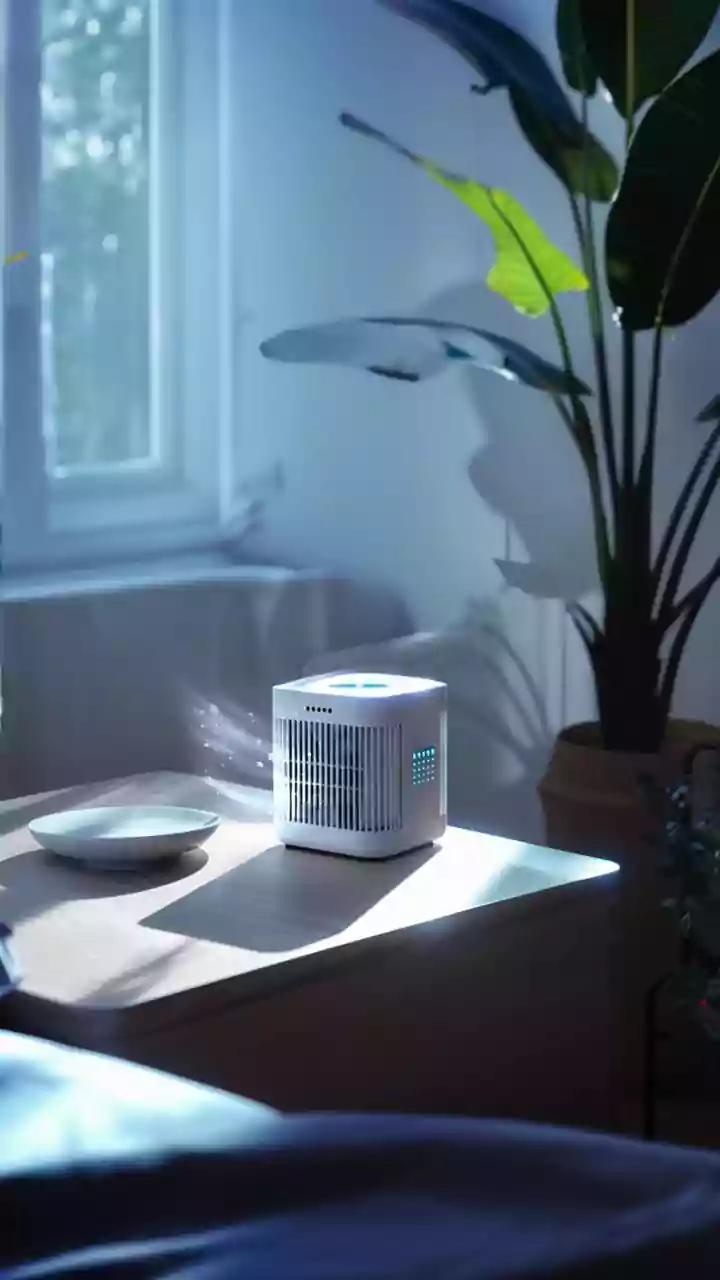
Minimizing the sensory impact of the storm is key in a smaller living space. Close curtains and blinds to block out the unsettling flashes of lightning. You can mask the sound of thunder by playing soft, classical music, turning on the television, or using a white noise machine. The consistent, calming sound can help drown out the alarming rumbles from outside, creating a more serene indoor environment. Some experts even suggest running a fan or air conditioner to add another layer of sound-masking.
Your Calmness is Contagious
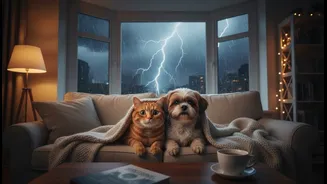
Pets are highly attuned to their owners' emotions. If you remain calm and relaxed during a storm, you signal to your pet that there is nothing to fear. Speak in a soothing voice, offer gentle petting, and try not to make a big fuss over the storm or their fearful behaviour. Comforting your pet when they are scared does not reinforce the fear; it helps them feel safe. Engaging them in a quiet game or offering a special treat when they display calm behaviour can create positive associations with storm sounds over time.
Use Calming Aids and Distractions
Several products are designed to ease pet anxiety. Anxiety wraps, like the Thundershirt, apply gentle, constant pressure that can have a swaddling, calming effect on many animals. Pheromone diffusers or sprays, such as Adaptil for dogs, mimic natural calming scents and can help reduce stress. Distraction is also a powerful tool. A food puzzle, a frozen Kong filled with treats, or a favorite chew toy can keep their mind occupied and redirect their focus away from the storm.
When to Consult a Veterinarian
If your pet's storm anxiety is severe, leads to self-harm, or doesn't improve with these strategies, it's time to consult a professional. A veterinarian or a veterinary behaviorist can rule out other medical issues and recommend a more comprehensive plan. This may include a long-term behavioural modification technique called desensitization, where your pet is gradually exposed to storm sounds at a low volume to build a positive association. In some cases, a veterinarian might prescribe anti-anxiety medication to keep your pet safe and comfortable during severe weather events.