
The Sweet Taste of Devotion
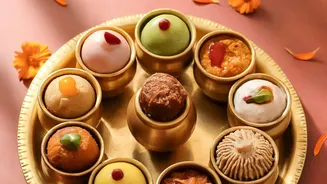
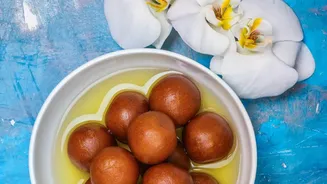
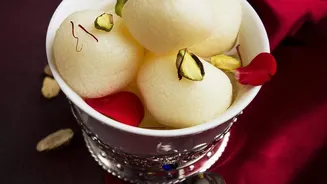
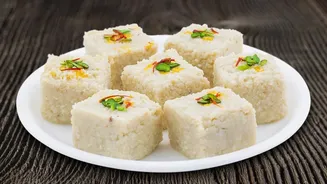
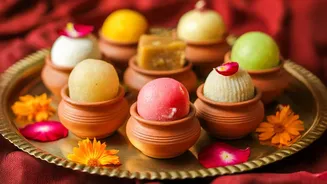
Janmashtami, the celebration of Lord Krishna's birth, is a festival steeped in joyous traditions, and food is central to its observance. Devotees prepare an array of dishes, with sweets playing a starring role in the 'bhog' or offering. Delicacies like
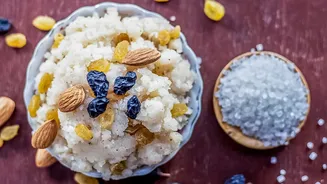
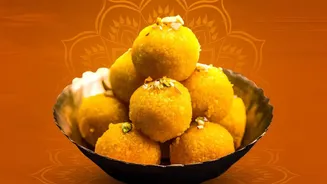
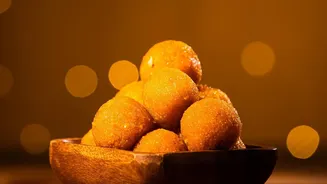
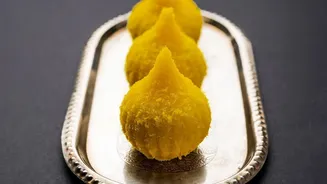
Dhaniya Panjiri, a fragrant mix of coriander seed powder and nuts, Makhan Mishri, Lord Krishna's favourite white butter and rock sugar, and various kinds of ladoos are prepared in homes across the country. Traditionally, these recipes call for generous amounts of ghee, milk, and, most importantly, refined sugar, creating the rich flavours we associate with festive indulgence. This culinary heritage, passed down through generations, is a sensory hallmark of the celebration.
A New Generation's Health-Conscious Approach
In recent years, a noticeable shift has begun to take place, driven by a younger generation that is increasingly aware of wellness and nutrition. While they cherish the cultural significance of festival foods, they are also mindful of the health implications of high sugar consumption. This has sparked a creative movement to adapt traditional recipes for modern lifestyles. The goal isn't to replace these beloved sweets, but to reinvent them. Youth collectives, home chefs, and families are experimenting with wholesome ingredients to reduce the sugar load, ensuring that the festive treats can be enjoyed with less guilt and more nourishment.
The Rise of Natural Sweeteners
The key to this healthy makeover lies in swapping refined white sugar for natural alternatives. Jaggery (gur) has emerged as a frontrunner, prized for its caramel-like flavour and nutritional benefits. Unlike sugar, which offers empty calories, jaggery retains minerals like iron and magnesium. Dates are another popular choice, with their natural sweetness and fibrous texture making them an excellent binding agent for ladoos and barfis. Home cooks are blending seedless dates into a paste to create treats like Dry Fruit Ladoos or Dates Basundi. Other alternatives include honey, coconut sugar, and even fruit-based sweeteners like stevia, allowing for a wide range of diabetes-friendly options.
Reimagining Classic Janmashtami Sweets
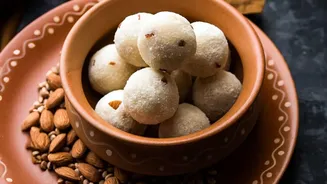
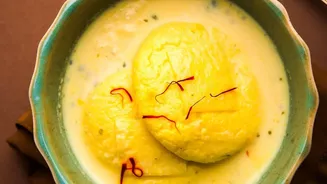
This innovative spirit is transforming classic recipes. Dhaniya Panjiri is now frequently made by roasting coriander powder in ghee and then mixing it with powdered jaggery and nuts, completely omitting refined sugar. Coconut Ladoos are being prepared with fresh grated coconut and a light jaggery syrup instead of a heavy sugar-based one. Another creative adaptation is the 'Dry Fruits Ladoo' or 'Dates and Nuts Energy Bites', which use the natural stickiness of blended dates and the crunch of roasted nuts to create a delicious, sugar-free sweet. Even kheer, a festive staple, is getting a makeover with low-fat milk and sweeteners like jaggery or date paste.
Tradition Meets Modern Wellness
This trend highlights a beautiful evolution in how traditions are being carried forward. The younger generation is not discarding old customs but thoughtfully adapting them to align with contemporary values of health and well-being. Online communities and social media are filled with shared recipes and videos demonstrating how to make these healthier versions, inspiring more people to try them. This movement is ensuring that the culinary legacy of festivals like Janmashtami remains vibrant and relevant, creating new traditions that are both delicious and nourishing for everyone in the family.