






The Great Urban Exodus
The daily grind of metropolitan life in cities like Delhi and Jaipur is losing its charm for a growing number of tech professionals. The promise of high-paying jobs is now weighed against relentless traffic, high costs of living, pollution, and the mental
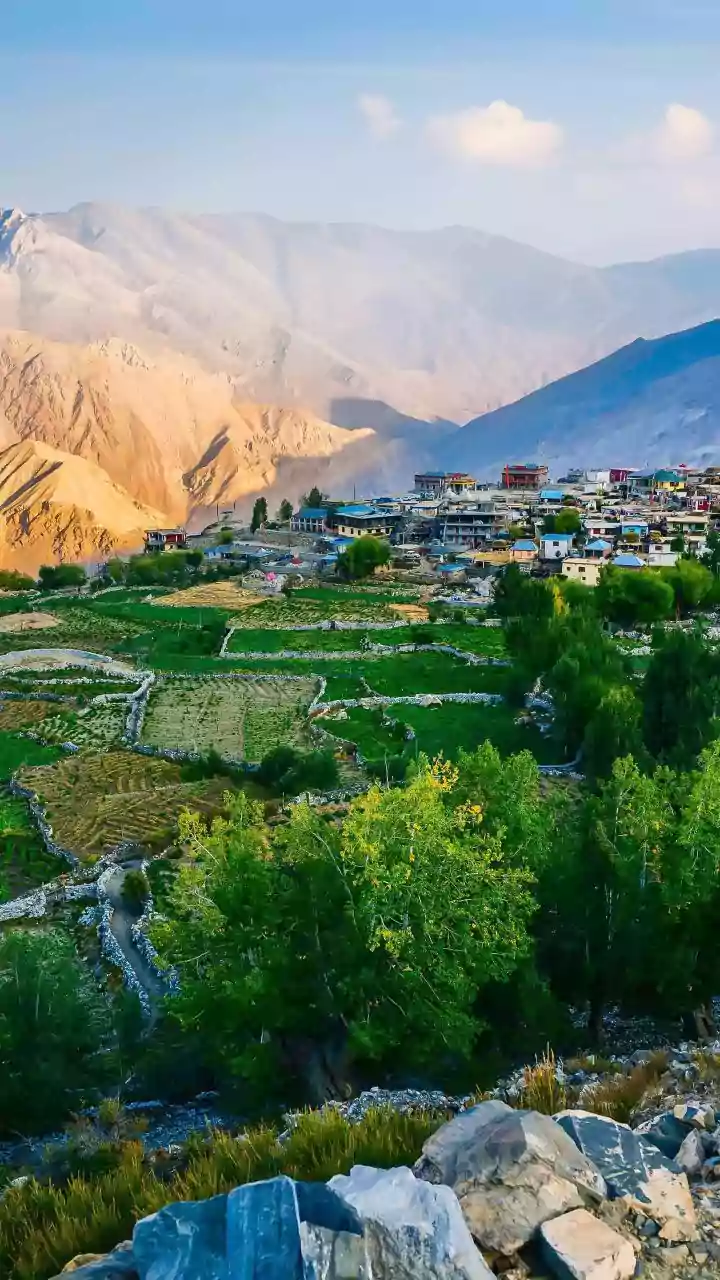
toll of a hyper-competitive environment. For years, the choice was binary: endure the city or leave your career. But the normalization of remote work has introduced a third, more appealing option. A significant portion of India's tech workforce, now untethered from physical offices, is asking a powerful question: if I can work from anywhere, why not work from somewhere beautiful, peaceful, and affordable? This mindset is driving a 'reverse migration' away from traditional Tier-1 hubs.
The Unique Pull of Rishikesh
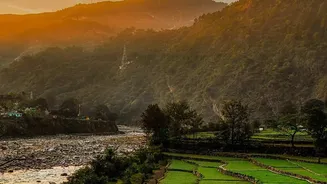
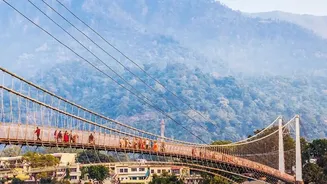
While many hill stations offer scenic beauty, Rishikesh presents a unique package that is particularly attractive to the modern remote worker. It's a place where high-speed internet meets spiritual rejuvenation. The town's long-standing identity as the 'Yoga Capital of the World' provides a backdrop of wellness and mindfulness, a perfect antidote to screen fatigue. After a day of coding or client calls, freelancers can attend a yoga class, meditate by the Ganga, or explore a vibrant cafe scene. This blend of reliable work infrastructure, adventure sports, and a deeply ingrained wellness culture makes Rishikesh more than just a pretty place to open a laptop.
Inside the Co-Living Revolution
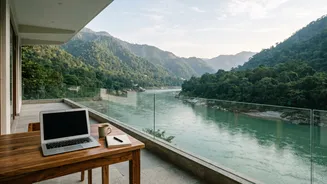
This trend is powered by a new breed of accommodation: the co-living hub. These are not just hostels with Wi-Fi. They are purpose-built environments designed for the workation lifestyle, offering a blend of private living and shared, collaborative spaces. For a monthly fee, residents get a comfortable room, dedicated workspaces with power backup, high-speed internet, and often, communal kitchens and cafes. The monthly cost of a private room in a co-living space can be significantly lower than renting a one-bedroom apartment in Delhi. More importantly, these hubs solve one of the biggest challenges of solo remote work: loneliness. They offer an instant community of like-minded individuals, fostering both professional networking and social connections.
The New Work-Life Equation
The benefits for freelancers are profound. Financially, many find they save money despite earning the same city-level income. A single person's monthly expenses in Rishikesh can be nearly 30% lower than in Delhi, primarily due to cheaper rent and food. But the real ROI is in quality of life. Professionals report improved mental clarity, reduced stress, and increased productivity. The structured, yet flexible, daily rhythm—deep work in the morning, a walk by the river in the evening—replaces the chaotic commute-work-sleep cycle of the city. It's a fundamental shift from 'living to work' to 'working to live,' a sentiment echoed by a majority of India's professional workforce.
A Sustainable Future or a Passing Trend?
The influx of digital nomads is a welcome boost to Rishikesh's local economy, supporting cafes, rental services, and local artisans. However, this growth brings challenges. There's a risk that the very peace and affordability that attract people could be eroded by overcrowding and rising prices. Local authorities and businesses face the task of managing this growth sustainably, ensuring that the town's infrastructure and spiritual character are preserved. For the freelancers, the key is to integrate respectfully, contributing to the local community rather than just consuming its resources. This movement from major cities to smaller towns is not just a passing phase; it is a glimpse into the future of work in India, where talent is more distributed and quality of life is the ultimate metric of success.