



Why Your Plants Are Drowning
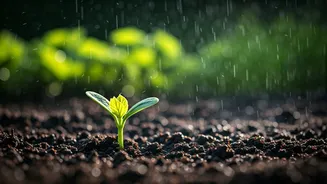
While plants need water to live, their roots also need to breathe. When soil becomes waterlogged from constant rain, the tiny air pockets that roots depend on for oxygen fill with water. This suffocates the roots, leading to a condition called root rot.
The signs are often misleading: a plant with root rot looks wilted and thirsty, causing many gardeners to water it even more. The leaves may turn yellow and drop, growth will be stunted, and the base of the stem might feel mushy. Furthermore, damp, oxygen-poor soil is the perfect breeding ground for fungal and bacterial diseases that can quickly wipe out your entire garden.
Create the Ideal Soil Mix
The foundation of good drainage is the soil itself. Standard garden soil or heavy clay soil will compact under heavy rain, holding onto far too much water. Your goal is to create a potting mix that is light, airy, and allows water to pass through freely. For container gardening, a reliable formula is one part garden soil, one part compost (for nutrients), and one part drainage material. This third component is key. Coarse sand is a classic choice, but perlite or vermiculite are lighter and more effective at creating air pockets. Cocopeat (or coir pith) is another excellent addition; it retains just enough moisture to keep plants hydrated between downpours but also improves aeration. Before planting, ensure these components are thoroughly mixed to create a uniform, well-draining medium.
Choose Your Pots Wisely
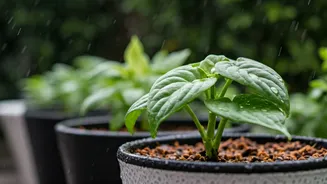
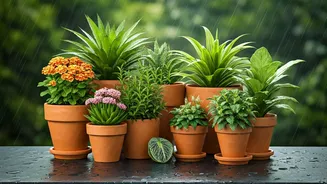
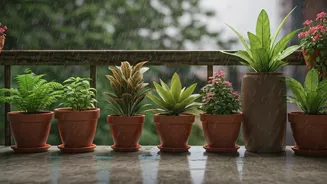
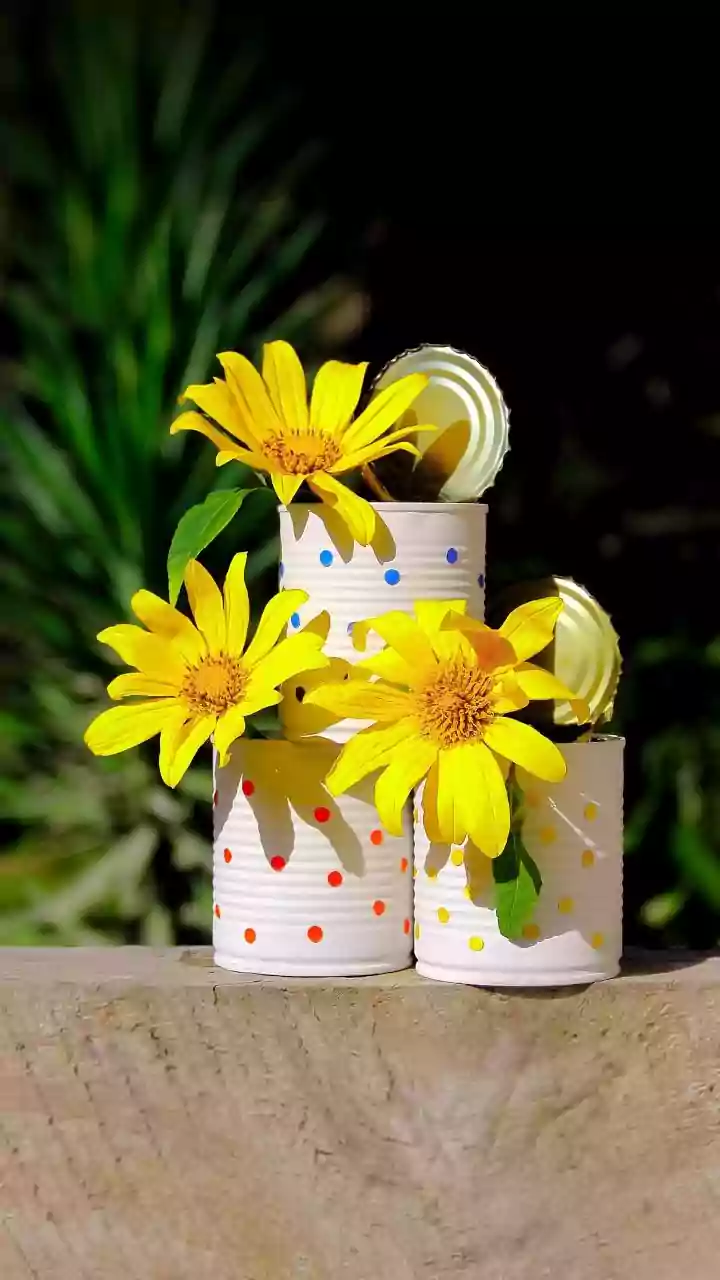
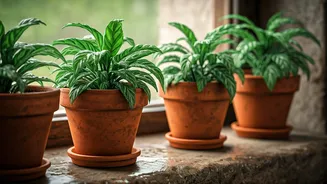
The container you use is just as important as the soil inside it. First, and non-negotiably, every pot must have at least one, and preferably several, drainage holes at the bottom. If a decorative pot has no holes, either drill them yourself or use it as a cachepot (a decorative outer pot) with a functional, drilled pot inside. Terracotta or clay pots are superior to plastic during the monsoon. Their porous nature allows excess moisture to evaporate through the walls, helping the soil dry out faster. Before adding your soil mix, it's a good practice to place a layer of broken pot shards, small stones, or gravel at the bottom. This prevents the drainage holes from getting clogged with soil and ensures a clear path for water to escape.
Elevate Your Garden with Raised Beds
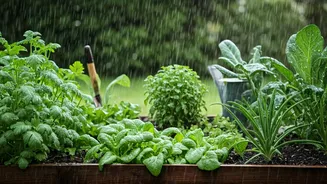
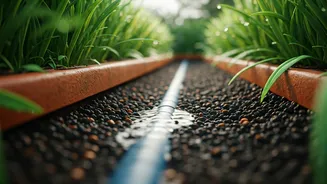
If you have a ground-level garden, the monsoon can turn it into a swamp. A simple and effective solution is to build raised beds. These are essentially large, bottomless containers that sit on top of the ground. By elevating the soil level by even 6-12 inches, you create a zone of excellent drainage that sits above the waterlogged ground. You can fill these beds with the same well-draining soil mix you'd use for containers. This technique gives you complete control over the soil environment, protecting your plants' roots from the constant saturation at ground level. Raised beds not only solve the drainage problem but also make gardening easier on your back and help define your garden space.
Adjust Your Watering and Planting Strategy
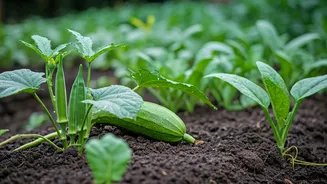
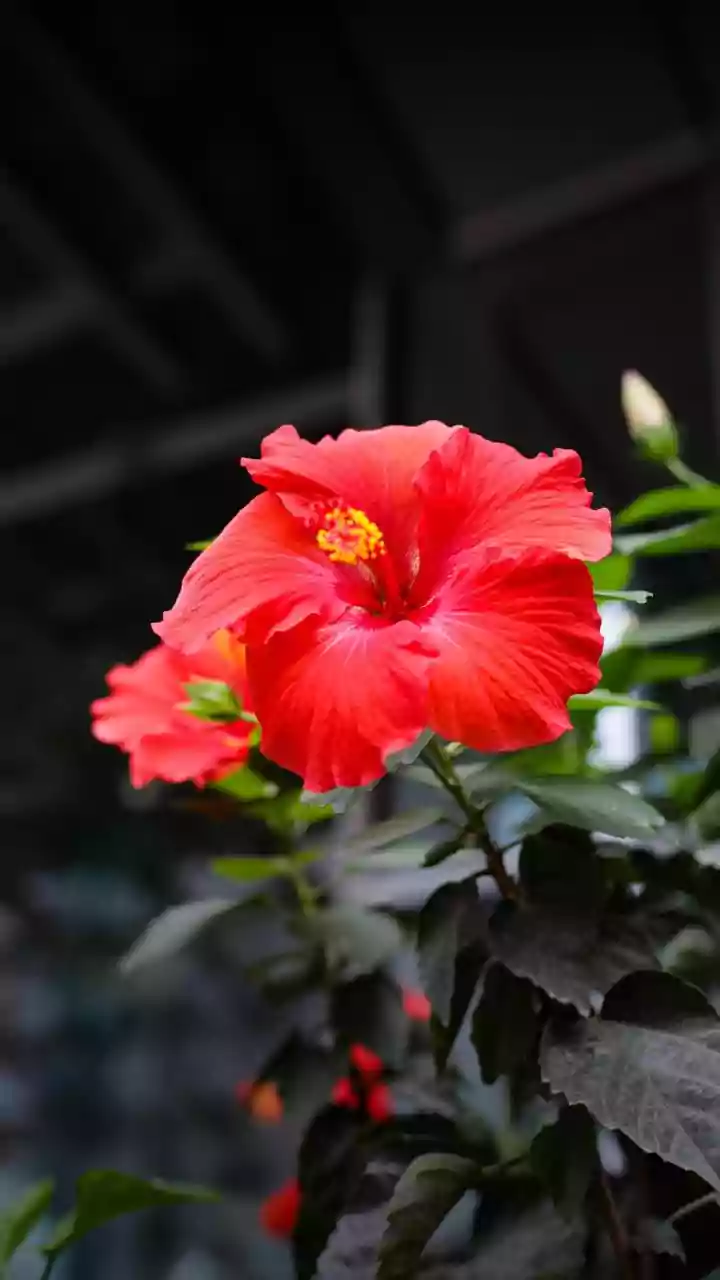
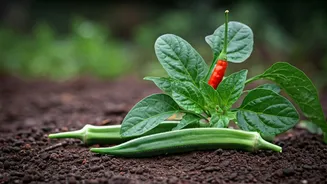
Even with perfect drainage, you need to adapt your habits. During the monsoon, the 'water daily' rule goes out the window. Always check the soil before watering. Stick your finger an inch or two into the soil; if it feels damp, do not water. Let the rain do the work. If your pots are exposed to continuous, heavy downpours, consider temporarily moving smaller ones to a covered patio or under an eave to give them a break. Additionally, some plants are better suited to the rainy season than others. Consider planting monsoon-loving vegetables like okra, gourds, and beans. For flowers, hardy options like hibiscus, balsam, and zinnias thrive in the humid, wet conditions, rewarding your drainage efforts with vibrant colour.