





The Allure of the White Spathe
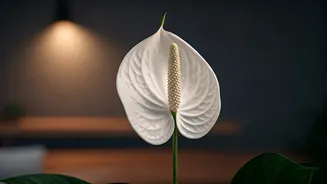
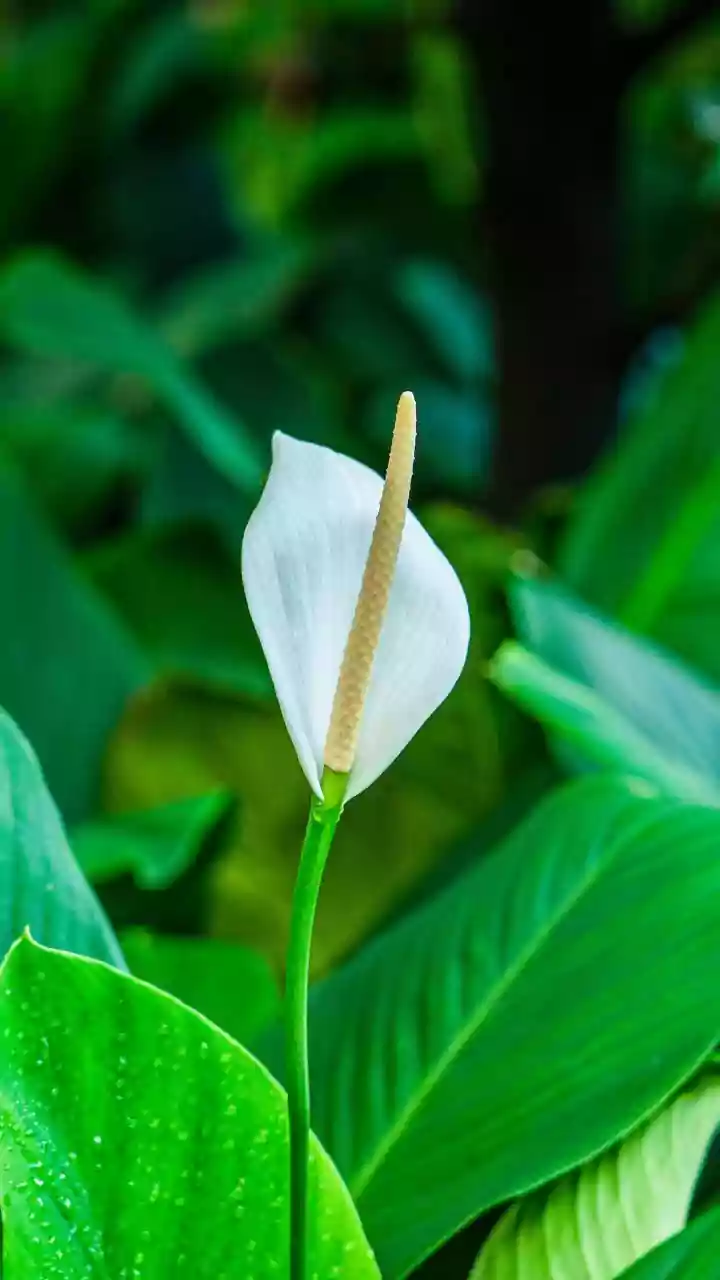
The anthurium itself is not a new plant, but the pristine white variety has become an object of particular fascination. Known botanically by its waxy, heart-shaped “spathe”—which is a modified leaf, not a flower—the white anthurium is a study in minimalist
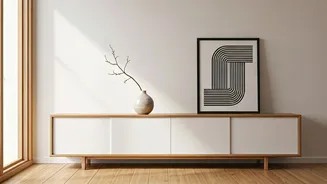
beauty. Its appeal lies in its structure: a single, glossy white heart with a prominent yellow or cream spadix, held aloft on a slender stem. It feels less like a common houseplant and more like a piece of living sculpture. In a world saturated with vibrant colors, its stark elegance offers a sense of calm and sophistication. This visual purity makes it a perfect fit for the modern, design-conscious home, where it can stand alone on a side table or bookshelf and command attention without overwhelming the space. It’s a plant that signals taste, restraint, and an appreciation for form.
More Than a Hobby, a Community
The rise of the white anthurium isn’t happening in a vacuum. It’s fueled by a vibrant and deeply supportive online community of Indian plant parents. On Instagram, hashtags like #indianplantcommunity and #plantsofinstagram are thriving hubs of activity. Here, enthusiasts from Mumbai to Delhi to Bangalore connect over their shared passion. They aren’t just posting static photos; they’re building relationships. A new, unfurling leaf on someone’s anthurium is met with a chorus of congratulatory comments. A question about brown spots on a spathe yields dozens of helpful, detailed suggestions. This digital garden club has become a vital social space, especially for younger, urban Indians living in apartments where a sprawling garden isn’t possible. The plants are the main event, but the sense of connection—of finding your people who understand the thrill of a new root—is the real reward.
The Art of the 'Progress' Post
Central to this trend is the concept of documenting “progress.” A progress post is more than just a pretty picture; it's a narrative. It might be a time-lapse of a new leaf slowly unfurling, a side-by-side comparison showing a plant’s growth over several months, or a close-up of a new spathe emerging. This act of showing progress is a quiet testament to the caregiver’s patience, dedication, and skill. Keeping a notoriously finicky plant like an anthurium not just alive but thriving is a badge of honor. These posts are a form of slow-burn storytelling, a rejection of instant gratification in favor of celebrating a gradual, natural process. For the viewer, it’s a moment of vicarious joy and inspiration. For the creator, it’s a public diary of their nurturing journey, a small, beautiful victory made visible to the world.
A Quietly Sophisticated Status Symbol
While a luxury handbag or a fast car is an overt display of wealth, a thriving, rare plant is a different kind of status symbol. It speaks to a new set of values centered on wellness, domesticity, and a connection to nature. In urban India, as in many parts of the world, the pandemic accelerated a focus on improving one’s home environment. The white anthurium, often priced as a premium or “collector’s” plant, signifies disposable income, but it also signals something more. It says the owner has the time, knowledge, and nurturing spirit to tend to something delicate. It’s a status that is earned through care, not just purchase. This makes showing off its progress a subtle way of communicating competence and a well-balanced life, turning a simple houseplant into a symbol of a modern, aspirational lifestyle.