


More Than Just a Tourist Event
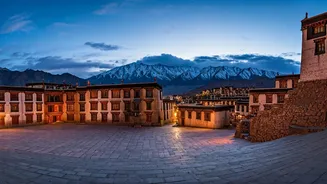
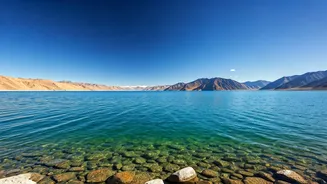
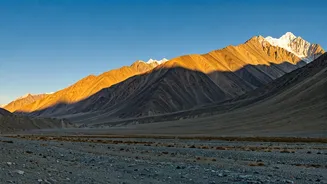
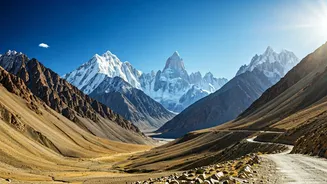
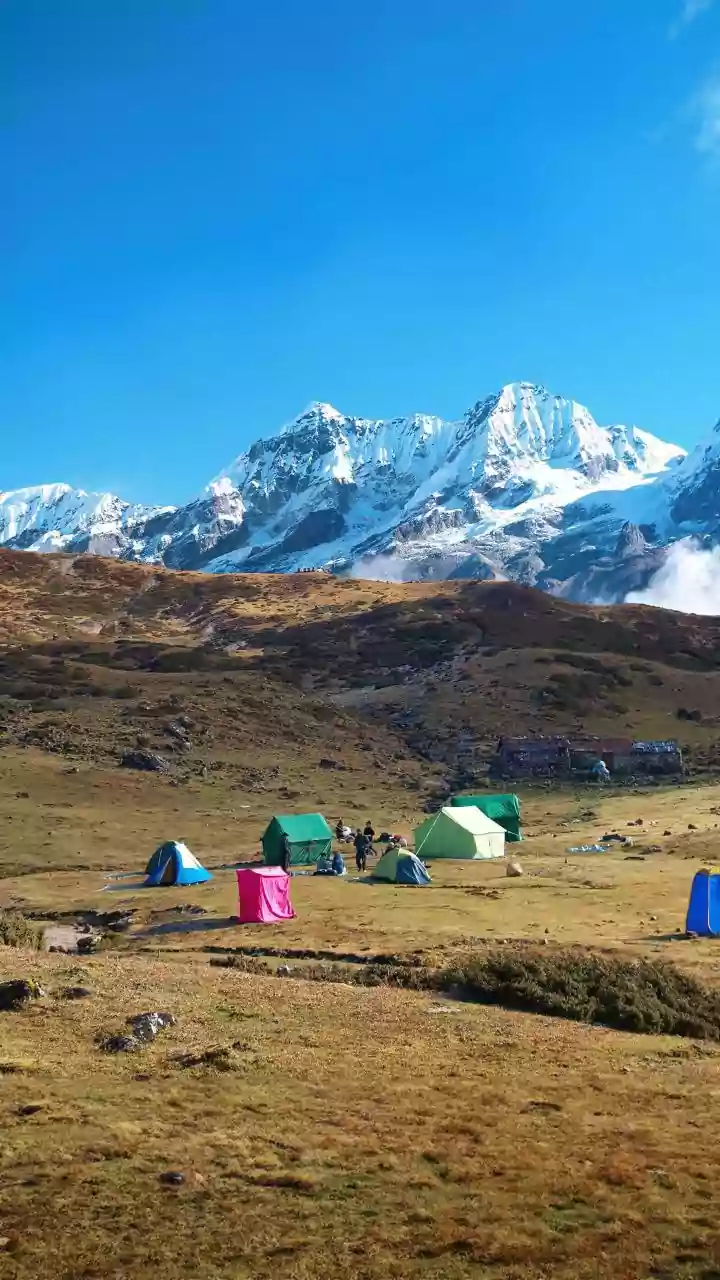
In the stark, breathtaking landscape of Ladakh, festivals are the lifeblood of the community. Events like the annual Ladakh Festival, held in Leh and its surrounding villages, are more than just a draw for tourists; they are a profound act of cultural
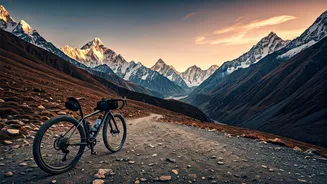
preservation. Against a backdrop of snow-capped peaks and barren moors, these celebrations become a vivid canvas for showcasing the region's rich Vajrayana Buddhist heritage. The focus is squarely on monastic arts—ancient practices passed down through generations within the walls of gompas (monasteries). For both locals and visitors, it’s a rare opportunity to witness traditions that have remained unchanged for centuries, offering a window into a spiritual world that is both deeply complex and visually stunning.
The Mystical Spectacle of Cham
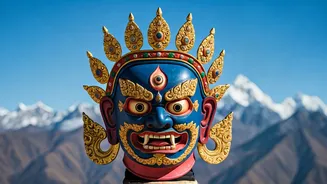
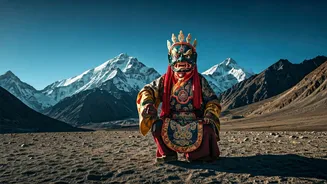
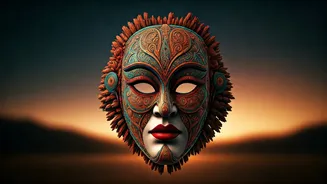
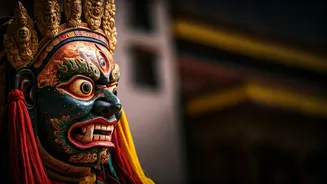
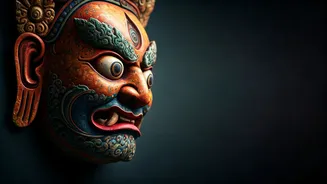
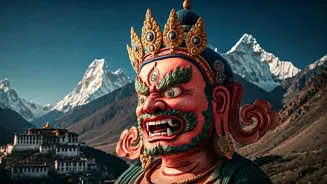
At the heart of any Ladakhi festival are the Cham dances. These are not mere performances but sacred rituals. Monks, adorned in elaborate, colourful silk costumes and formidable masks representing deities and demons, move in slow, deliberate steps to the rhythm of cymbals, drums, and long horns. Each dance tells a story, often depicting the triumph of good over evil or illustrating key moral lessons from Buddhist scripture. The masks themselves are masterpieces, carved from wood and painted with intense expressions that are believed to invoke the spirits they represent. Watching a Cham dance is a hypnotic experience, a form of moving meditation that aims to cleanse negativity and bestow blessings upon the onlookers.
Sacred Canvases: The Art of Thangka
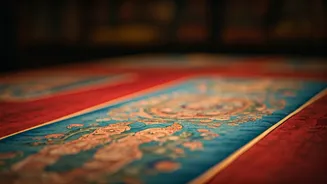
Another cornerstone of monastic art heavily featured is Thangka painting. These intricate scroll paintings, typically on cotton or silk, depict Buddhist deities, mandalas, or scenes from the life of the Buddha. Creating a Thangka is an act of devotion that can take months, or even years. The artists, usually monks or specially trained laypeople, follow strict iconographic rules governing proportions, posture, and colour. The pigments are traditionally made from ground minerals and organic materials, bound with animal glue. More than just decoration, Thangkas are tools for meditation, helping practitioners visualise deities and internalise complex philosophical concepts. The festivals provide a platform for master artists to display their work and for apprentices to demonstrate their budding skills.
Beauty in Impermanence
Perhaps no art form captures the essence of Buddhist philosophy better than the sand mandala. During the festival, monks painstakingly create a complex, geometric diagram of the cosmos using millions of grains of coloured sand. The process is a meditative ritual, requiring intense focus and cooperation. The resulting mandala is an object of breathtaking beauty and precision. Yet, its fate is to be destroyed. Shortly after its completion, the monks sweep the sand into a pile and disperse it into a nearby body of flowing water, symbolising the impermanence of all things and the importance of non-attachment. Similarly, intricate butter sculptures, often coloured and shaped into flowers, symbols, and deities, are offered at altars, only to eventually melt away, reinforcing the same profound lesson.
The Resonant Sounds of the Himalayas
The auditory landscape of a Ladakhi festival is as unique as its visual one. The air is filled with the sounds of monastic music, a powerful and otherworldly symphony. The most distinctive instrument is the dungchen, a long copper trumpet that produces a deep, rumbling drone said to mimic the sound of elephants. This is layered with the clashing of cymbals (rolmo), the rhythmic beat of drums (nga), and the haunting melody of the gyaling, a type of oboe. This music isn't meant for entertainment; it is an integral part of the rituals, used to invoke deities, mark different phases of a ceremony, and guide the meditations of the monks and the audience alike.