
The Foundation: Understanding Vrat Foods
Before building your plate, it's essential to know the basics of a Janmashtami fast, which is typically a 'phalahari' diet. This means abstaining from all grains and cereals like wheat and rice, as well as lentils and pulses. Onions and garlic are also
avoided. The foundation of your vrat plate will be built from a specific list of permitted ingredients: vrat-friendly flours, select vegetables, fruits, dairy products, and rock salt (sendha namak) instead of regular table salt. Understanding these rules is the first step to a successful and traditional fast.
Carbohydrates: The Energy Source
To maintain energy levels throughout the day, your plate needs a solid source of complex carbohydrates. Instead of everyday grains, a Janmashtami fast relies on alternatives like Kuttu ka Atta (buckwheat flour), Singhare ka Atta (water chestnut flour), and Rajgira ka Atta (amaranth flour). These can be used to make pooris, rotis, or cheelas. Potatoes, sweet potatoes, pumpkin, and arbi (colocasia) are also excellent sources of energy and form the base for many vrat-special sabzis. A helping of a simple potato and tomato curry, seasoned with rock salt and cumin, provides a comforting and energising element to your thali.
Protein Power: For Satiety and Strength
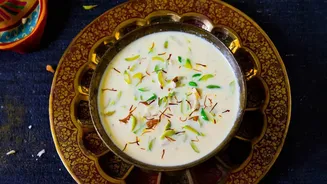
Protein is crucial for keeping you feeling full and satisfied, preventing the hunger pangs that can distract from the day's spiritual focus. Dairy products are the primary source of protein during a Janmashtami fast. A small bowl of fresh curd or a glass of buttermilk (chaas) aids digestion and provides high-quality protein. Paneer (Indian cottage cheese) is another versatile option; a simple stir-fry of paneer cubes with black pepper and rock salt can be a delicious and filling addition. Roasted makhana (fox nuts) are another fantastic protein-rich snack that can be eaten on its own or used to make kheer.
Fibre and Nutrients: Fruits and Vegetables
While starchy vegetables provide energy, other vegetables and fruits deliver essential vitamins, minerals, and fibre. A simple sabzi made from lauki (bottle gourd) or pumpkin adds a light, hydrating, and nutritious component to the meal, balancing the heavier fried items. A fresh fruit salad, or 'fruit chaat', is an indispensable part of the vrat plate. Fruits like bananas, apples, pomegranates, and papaya offer natural sugars for a quick energy boost, as well as hydration and essential nutrients. This element adds freshness and colour to your thali.
Hydration and Healthy Fats
Staying hydrated is vital, especially while fasting. While water is essential, traditional drinks like coconut water, milk, and lassi also help maintain electrolyte balance. When it comes to cooking, healthy fats are important. Using ghee for preparing pooris or sabzis is traditional and provides essential fatty acids. Nuts and seeds like almonds, walnuts, and peanuts are also permitted and offer a great source of healthy fats and micronutrients. A handful of roasted peanuts can be a simple, satisfying snack.
Assembling Your Balanced Thali
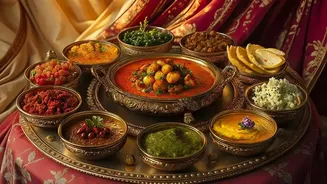
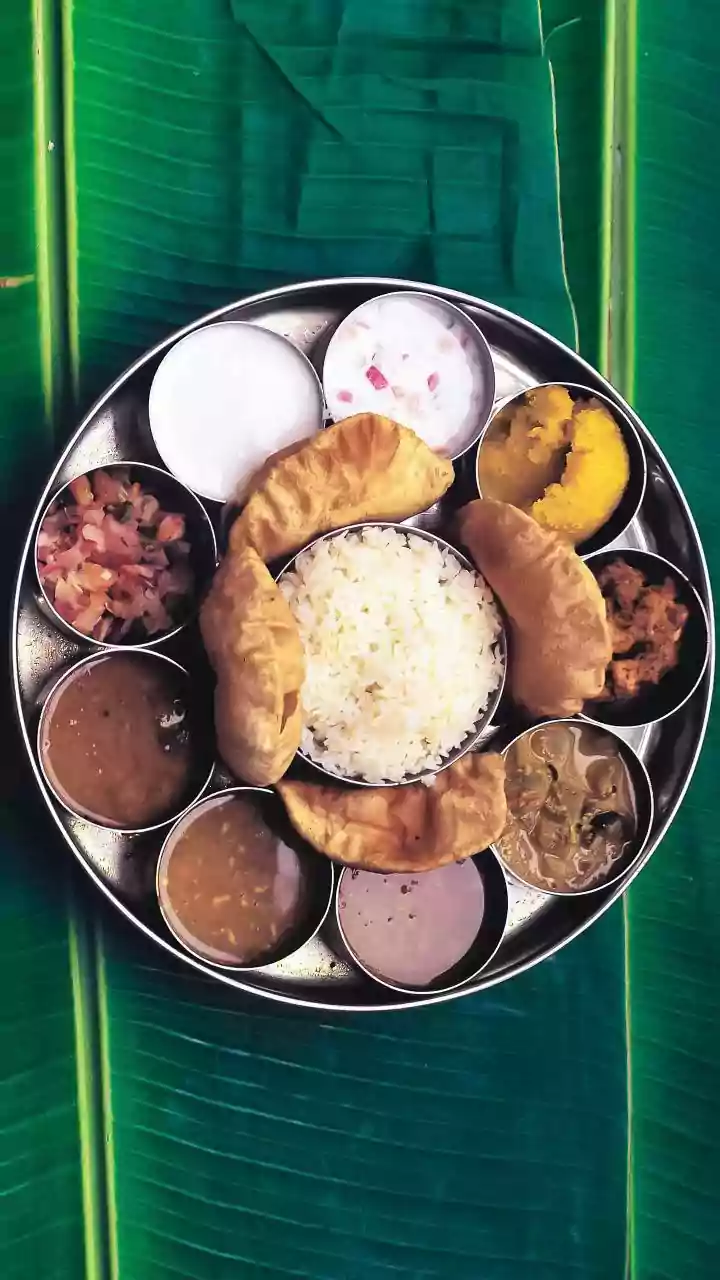
Now, let's bring it all together. A well-balanced Janmashtami vrat thali is a study in harmony and moderation. Picture this: two small Rajgira pooris, a katori (small bowl) of aloo tamatar sabzi, another katori with paneer cubes, a side of refreshing fruit chaat, and a spoonful of creamy curd. This combination covers all your nutritional bases—carbohydrates for energy, protein for fullness, and vitamins and minerals from fruits and vegetables. It's a meal that is both traditionally compliant and thoughtfully constructed to keep you energised and focused.