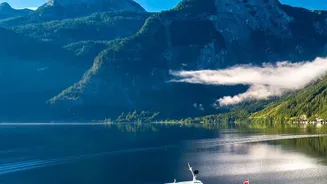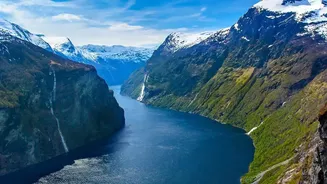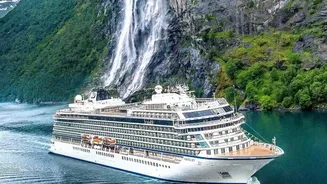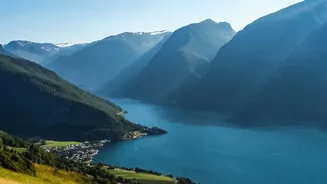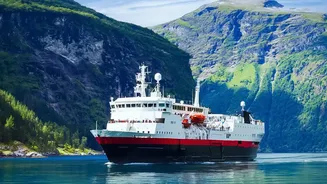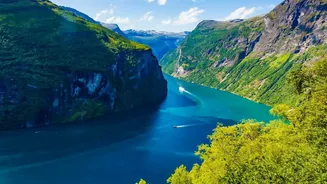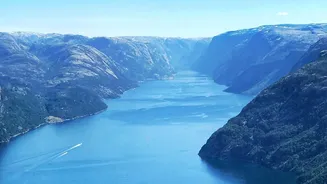





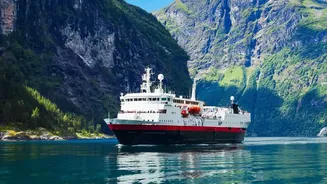
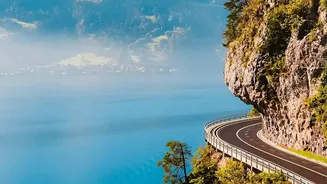

The image of a grand ship navigating the colossal, silent passages of a Norwegian fjord is iconic. But a growing number of travellers are discovering a deeper experience—one that swaps the cruise deck for a coastal path.
More Than Just a View
While large cruise ships offer
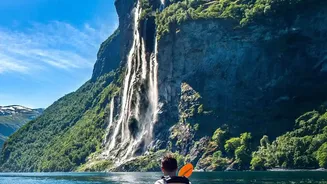
breathtaking panoramic views, a different kind of tour focuses on a more intimate connection with the landscape. These smaller, often locally-guided trips are designed for those who want to feel the ground beneath their feet and understand the forces that shaped their surroundings. Instead of just sailing past the scenery, you become part of it. The experience shifts from passive observation to active exploration, combining scenic boat journeys on smaller vessels with activities like hiking, kayaking, and engaging directly with local culture. This approach allows for access to narrower fjords and secluded villages that larger ships cannot reach, offering a more personal and less-crowded adventure.
Walking the Ancient Coastlines
A key feature of these immersive tours is the inclusion of guided coastal and mountain walks. These aren't just casual strolls; they are curated hikes that take you along ancient paths to spectacular, often hidden, viewpoints. Guides lead groups on trails of varying difficulty, from leisurely lakeside walks to more challenging ascents up to cliff formations that tower over the water below. Imagine hiking to the top of Mt. Prest for a panoramic view of the Aurlandsfjord or exploring the trails around the UNESCO-listed Nærøyfjord, far from the main tourist routes. These walks provide a physical connection to the environment, allowing you to breathe in the crisp mountain air and witness the grandeur of the fjords from a perspective few get to see.
Stories Carved in Stone
What truly sets these tours apart is the narrative element, particularly the focus on geology. Expert guides don't just point out a mountain; they tell its life story. You'll learn how these dramatic landscapes were carved by massive glaciers during the Ice Age, which scoured river valleys deep below sea level before retreating. Guides explain why fjords are deepest far inland and how the land is still slowly rising today as it recovers from the immense weight of the ice. In places like the Fjordkysten UNESCO Global Geopark, you can see the remnants of a 400-million-year-old mountain range that once rivalled the Himalayas, its rocks telling a tale of colliding continents.
A Tapestry of Local Lore
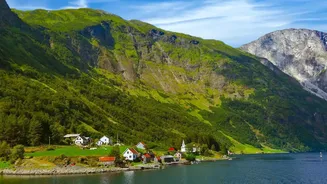
The stories are not limited to geology. Local guides enrich the experience by weaving in tales of Viking history, regional folklore, and the daily lives of those who inhabit these remote fjord communities. You might hear how Harald Hardrada, the last great Viking king, gathered his fleet in Solund before his fateful journey to England, or learn about the area's role in the emigration to Iceland. Some tours even include visits to picturesque villages for a taste of local life, such as sampling authentic goat cheese in Undredal. This cultural context transforms a beautiful view into a living museum, connecting the dramatic scenery to the human history that has unfolded within it for centuries.
Choosing Your Fjord Adventure
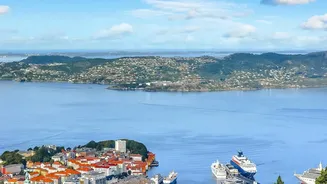
For travellers interested in this deeper experience, the key is to look for tours that explicitly mention guided hikes and smallndgroup travel. Operators in hubs like Bergen, the 'Gateway to the Fjords', offer numerous options that combine boat trips with onshore activities. Many tours are customisable, allowing you to choose your activity level and interests, from gentle valley walks to strenuous summit treks. Look for itineraries that venture into famous fjords like the Sognefjord and Geirangerfjord, but also lesserndknown gems like the Osterfjord. By prioritising local expertise and active participation, you can ensure your trip is not just a holiday, but a genuine exploration.