

Beyond the Familiar Favourites
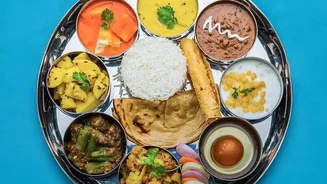
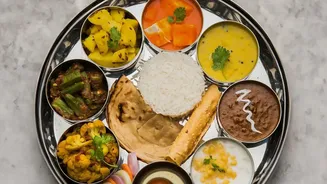
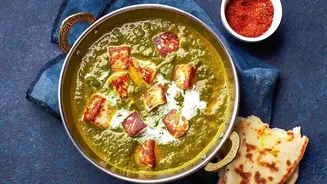
For years, the Indian restaurant menu, both in India and abroad, was a familiar comfort zone. Dominated by a handful of rich, creamy North Indian and Mughlai dishes like butter chicken, rogan josh, and various paneer gravies, it offered a reliable but limited
glimpse into a vast culinary landscape. While these classic dishes remain popular, a significant shift is happening. A new generation of chefs and diners, armed with pride in their heritage and a global palate, are challenging this status quo. They are looking beyond the expected, pushing the boundaries of what Indian food can be. This movement isn't about abandoning tradition, but about expanding the definition of it, celebrating the country's true diversity one plate at a time.
A Return to Regional Roots
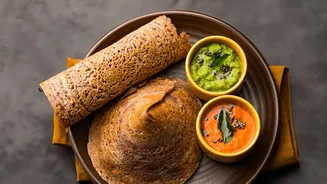
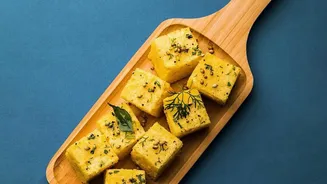
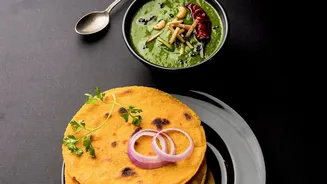
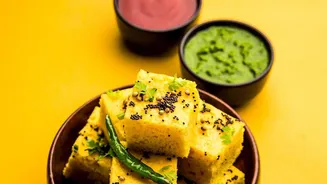
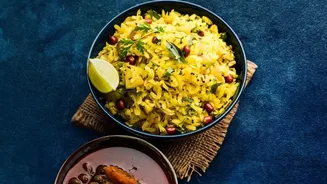
The single most significant trend is the enthusiastic embrace of regionality. India is not one cuisine, but dozens. Chefs are now proudly showcasing the distinct flavours of their home states, introducing diners to dishes previously only found in home kitchens. Restaurants are moving past generic "Indian" fare to specialize in the unique culinary traditions of places like Kerala, Bengal, Nagaland, and Goa. You might find Nagaland's smoked pork with bamboo shoots, Kerala's comforting Avial (a mixed vegetable stew), or Bengali mustard-infused fish curries taking centre stage. This hyper-local focus celebrates indigenous ingredients and traditional cooking methods, offering diners a more authentic and story-rich experience. It's a delicious education in the true breadth of India’s food culture.
Global Techniques Meet Desi Flavours
At the same time, Indian cuisine is becoming more global. This isn't the sometimes-clumsy fusion of the past. Today's chefs are thoughtfully applying international techniques and ingredients to traditional Indian flavours with confidence and creativity. Modernist techniques, once the domain of European or Japanese kitchens, are being used to present Indian dishes in new and exciting ways. Think of a traditional rasam broth turned into a light, punchy granita served over oysters, or the use of sous-vide to create perfectly tender kebabs. Global ingredients like avocado, quinoa, and even formerly niche cheeses are being integrated into recipes, creating dishes like kathal (jackfruit) tacos or paneer tikka served with za'atar. The result is a cuisine that feels both innovative and deeply rooted.
The New Guard of Chefs and Diners
This transformation is being driven by two key forces: a new guard of visionary chefs and an increasingly adventurous dining public. Chefs like Manish Mehrotra of Indian Accent, Garima Arora, the first Indian woman to earn a Michelin star, and Gaggan Anand have become global culinary figures, known for their progressive approach. They are not just cooks; they are storytellers and innovators who are redefining their heritage on their own terms. This creative wave is supported by a growing base of Indian diners who, exposed to global food trends through travel and media, are eager to explore. They are moving away from the safety of the buffet and seeking unique, chef-driven experiences that offer both comfort and surprise. This symbiotic relationship between creative chefs and curious customers is fuelling one of the most exciting periods in modern Indian culinary history.