




Know the Risks Before You Click
The appeal of BNPL is clear: you get instant gratification while splitting a large cost into smaller, seemingly manageable chunks. E-commerce platforms promote it because it encourages shoppers to buy more. However, this convenience can mask significant
downsides. The biggest risk is overspending; breaking down a purchase can make it feel more affordable than it is, leading you to buy things you don't need or can't truly afford. Many users find themselves juggling multiple BNPL plans at once, which can strain monthly cash flow and lead to missed payments. These missed payments often come with late fees and can negatively impact your credit score, as some providers report late payments to credit bureaus. Furthermore, consumer protections for disputes or returns may not be as robust as those offered by traditional credit cards.
Build a Strict Shopping Budget
The most effective defence against impulse spending is a well-defined budget. Before you even browse your favourite sites, determine how much you can realistically afford to spend on non-essential items each month. Treat this allocation as a hard limit. Many people find success with the 50/30/20 rule: 50% of your income for needs (rent, bills), 30% for wants (shopping, dining out), and 20% for savings. By setting aside a specific amount for "wants," you create a clear boundary. To enforce this in the digital world, consider creating a separate bank account or using a digital wallet specifically for your online shopping allowance. Once the money is gone, your spending stops until the next month. This creates a tangible sense of your spending that BNPL often obscures.
Use Your Cart as a Waiting Room
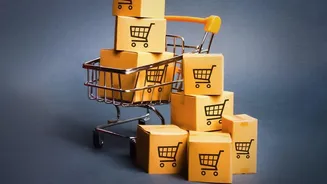
Impulse buys are the enemy of a healthy budget. A simple but powerful trick is to treat your online shopping cart not as a checkout counter, but as a temporary holding area or wishlist. When you see something you want, add it to the cart and then walk away for at least 24 to 48 hours. This cooling-off period gives you time to separate the fleeting want from a genuine need. Ask yourself: Do I really need this? Can I afford it within my budget? Often, the initial urge to buy will fade, and you'll realise you're perfectly fine without the item. Some e-commerce sites may even send you a discount code to entice you back, saving you money if you decide the purchase is worthwhile after all.
Master Your Mindful Spending Triggers
Modern e-commerce is designed to make you spend. From targeted ads to influencer marketing and tempting sale notifications, the pressure is constant. Take proactive steps to curate your digital environment. Unsubscribe from promotional emails and unfollow social media accounts that fuel your desire to shop. If you find yourself scrolling shopping apps out of boredom, find a different activity to get a dopamine hit, like listening to music, exercising, or spending time outdoors. The goal is to create friction between you and a potential purchase. Deleting shopping apps or your saved BNPL account information can also be an effective way to force a pause and make you more intentional about your spending decisions.
Choose Conscious Payment Alternatives
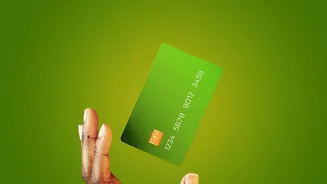
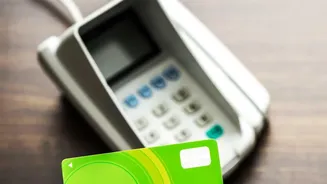
If you've decided a purchase is necessary and budgeted for, consider how you pay. Instead of defaulting to BNPL, using a debit card or UPI connects the purchase directly to the funds in your bank account, making the expense feel more real. This tangible connection can be a powerful deterrent against casual overspending. Traditional credit cards can also be a tool, provided you have the discipline to pay the balance in full each month to avoid interest charges. Credit cards often offer better consumer protections, such as for disputes and returns, which can be a significant advantage over some BNPL services. The key is choosing a payment method that forces you to acknowledge the full cost upfront, rather than deferring the financial reality.