




Your New Digital Sous-Chef
Imagine having a culinary expert on call, ready to solve your daily cooking dilemmas. That is the new reality for many Indian home cooks who are turning to artificial intelligence. Using generative AI platforms like ChatGPT, Gemini, and specialized food
apps, they are finding a powerful tool for kitchen creativity. This isn't about replacing the cook, but augmenting their skills. These AI tools can access a massive database of recipes and culinary information to provide instant suggestions, whether you're staring at a near-empty fridge or planning a feast. It’s like having a sous-chef that helps with the mental load of planning and preparation, allowing you to focus on the joy of cooking.
Effortless Weekly Meal Plans
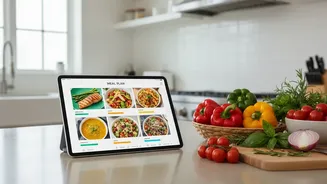
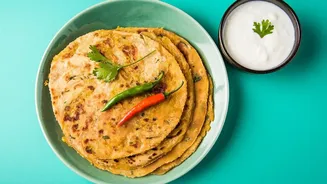
One of the most tedious kitchen tasks is meal planning. Deciding on a varied, nutritious, and appealing menu for the week can be draining. This is where AI excels. A home cook can enter a prompt like, “Create a 7-day vegetarian meal plan for a family of four with a focus on North Indian cuisine, including a shopping list. Make lunches quick and tiffins kid-friendly.” The AI can generate a detailed plan, complete with breakfast, lunch, and dinner options like Aloo Paratha, Rajma Chawal, and Paneer Bhurji. This capability helps reduce the daily decision fatigue, ensures a balanced diet, and can even help minimise food waste by planning meals around ingredients you already have.
Smart Swaps and Substitutions
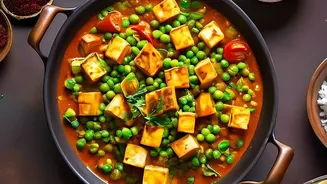
Every Indian cook has faced the problem of a missing ingredient. Perhaps you've run out of tomatoes for your gravy, or you need to make a dish Jain-friendly by avoiding onions and garlic. AI can provide instant, intelligent solutions. By asking, “What’s a good substitute for cream in Palak Paneer to make it healthier?” you might get suggestions like using cashew paste or yogurt. These tools are becoming adept at understanding the nuances of Indian cooking, offering swaps that maintain the dish's integrity. This functionality is invaluable for catering to dietary restrictions, managing allergies, or simply adapting a recipe to what’s available in your pantry.
Unlocking Culinary Creativity
Beyond planning and problem-solving, AI is also becoming a source of culinary inspiration. Stuck in a cooking rut? You can prompt an AI with a few ingredients and watch it generate a novel recipe. For example, asking for “a creative recipe using beetroot, paneer, and leftover rice” could result in a suggestion for Beetroot Paneer Tikki or a vibrant pulao. While some AI-generated fusion dishes like Gulab Jamun Cheesecake might sound unusual, they showcase the potential for innovation. This ability to experiment without risk encourages home cooks to try new combinations and break away from their routine repertoire.
The Irreplaceable Human Touch
Despite its impressive capabilities, AI is not a perfect chef. Its main limitation is the lack of sensory experience—it cannot taste, smell, or feel the texture of food. An AI-generated recipe might list spices, but it doesn't have the intuitive 'andaaz' (estimation) of an experienced cook who knows just how much turmeric to add or when the onions are perfectly caramelized. Food bloggers who have tested AI recipes note that while the instructions are often logical, the final dish can sometimes lack depth or require human intervention to balance the flavours. The AI provides a great starting point, but the final, delicious result still depends on the cook's personal judgment and skill.