






The Great Rebalancing Act
The long-established narrative of migrating from a small town to a big city for a corporate career is being rewritten. This shift is driven by a powerful confluence of factors. The widespread adoption of remote and hybrid work models has untethered jobs
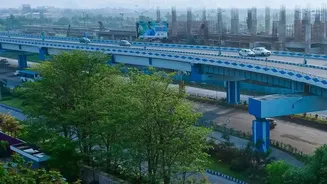
from physical offices, allowing companies to cast a wider net for talent. Simultaneously, significant government and private investment in infrastructure, including better highways, improved air connectivity, and robust digital networks with 5G rollouts, has made these cities more viable business hubs. This is not just about convenience; it's a strategic decentralisation of economic power, creating a more balanced national growth story.
The Corporate Calculus: Cost, Culture, and Continuity
For companies, the logic of expanding into Tier-2 and Tier-3 cities is compelling and goes far beyond simple cost savings. While lower real estate prices and operational overheads are attractive—with some reports suggesting savings of up to 30-40%—the talent equation is equally important. These cities offer access to a large, skilled, and often untapped pool of professionals. Moreover, companies are discovering that employees in these locations often exhibit higher loyalty and lower attrition rates, which can be 15-25% lower than in metros. This translates into greater stability and a reduction in the recurring costs associated with recruitment and training. Recent reports show a significant uptick in hiring from these regions, with one survey indicating that 69% of organisations increased their hiring from Tier-2 and Tier-3 cities by over 30% in the last two years.
A Win for Local Talent and Lifestyles
The trend also represents a significant win for professionals who are increasingly prioritising quality of life. The ability to build a career in or near one's hometown, closer to family and cultural roots, is a powerful draw. This is coupled with the practical benefits of a lower cost of living, where salaries can stretch further, and the avoidance of gruelling metropolitan commutes. The rise of high-quality educational institutions, from engineering colleges to management institutes, in cities like Trichy, Rourkela, and Nagpur means that a skilled, industry-ready workforce is already in place. This reverses the 'brain drain' that many of these cities have historically experienced, fostering local economic growth and creating a vibrant professional ecosystem.
Spotlight on Emerging Hubs
This is not a theoretical shift; it is happening on the ground in cities across the country. Places like Jaipur, Indore, Coimbatore, Kochi, and Bhubaneswar are rapidly emerging as credible hubs for sectors ranging from IT and Global Capability Centres (GCCs) to manufacturing and BFSI. For instance, Coimbatore's strong industrial base makes it a natural fit for engineering and manufacturing, while cities like Jaipur and Indore are becoming hotspots for IT services and back-office operations. Recent data indicates that hiring activity in Tier-2 and Tier-3 cities is growing at nearly double the rate of metros, with some reports showing a 21-23% year-on-year growth compared to 14% in Tier-1 locations.
Navigating the Obstacles Ahead
Despite the momentum, challenges remain. While improving, infrastructure and connectivity can still be a constraint, with 60% of employers citing it as a significant hurdle to expansion. Companies may also face difficulties in establishing their brand presence in new markets and ensuring cultural integration between metro-based headquarters and regional offices. For the trend to be sustainable, continued investment in urban infrastructure, from public transport to reliable power, is critical. Furthermore, ensuring that local educational curricula align with the evolving needs of industries like AI, data science, and green technology will be essential to maintaining the talent pipeline.