




Ginger & Garlic: The Immunity Power Duo
This pair is a cornerstone of Indian cooking and for good reason. During the monsoon, when colds and coughs are common, ginger and garlic act as your first line of defence. Ginger is known for its potent anti-inflammatory properties that can soothe a sore
throat and reduce bodily aches. Garlic contains a compound called allicin, which has natural antibacterial and antiviral properties, helping your body fight off infections. Incorporating more of this duo into your daily meals, whether in dals, curries, or a warm cup of ginger tea, can significantly enhance your immune response and keep seasonal illnesses at bay. A simple ginger-tulsi tea can be particularly comforting and effective.
Turmeric: The Golden Healer
Turmeric, or Haldi, is a celebrated spice with powerful medicinal benefits, especially crucial during the rainy season. Its active compound, curcumin, is a strong antioxidant and anti-inflammatory agent. This helps protect your body from cellular damage and reduces the risk of infection. The damp weather can make one more susceptible to bacterial and viral attacks, and turmeric helps fortify your body's natural defenses. A warm glass of 'Haldi Doodh' (turmeric milk) before bed is a traditional and highly effective way to fight inflammation, soothe the body, and promote a strong immune system throughout the monsoon months.
Jamun (Indian Blackberry): The Seasonal Gem
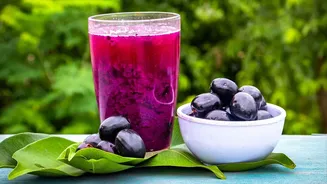
The arrival of monsoon is marked by the appearance of the deep purple Jamun, a fruit that is as beneficial as it is delicious. Jamun is packed with essential nutrients like Vitamin C, iron, potassium, and antioxidants. These nutrients are vital for boosting immunity and maintaining energy levels, which can often dip during this season. Its low-calorie count and high fibre content also aid in digestion, a system that often becomes sluggish in the humid weather. Furthermore, Jamun is traditionally known to have properties that help in managing blood sugar levels.
Bitter Gourd (Karela): The Unsung Hero
While its bitter taste might not be for everyone, the health benefits of Karela are undeniable, making it a must-have vegetable during the monsoon. It is an excellent source of Vitamin C and antioxidants, which are crucial for a robust immune system. During the rainy season, when the risk of infections is high, bitter gourd acts as an immunomodulator, strengthening your body's ability to fight off common ailments like the seasonal cold. It also promotes good digestion and helps keep the gut healthy, which is directly linked to overall immunity.
Moong Dal: The Digestive Friend
In a season where heavy and fried foods can tax the digestive system, light and nutritious Moong dal comes to the rescue. It is incredibly easy to digest and packed with protein, zinc, and antioxidants that nourish the body without feeling heavy. According to Ayurvedic principles, digestion (agni) is at its weakest during the monsoon, making light meals essential. A warm bowl of khichdi made from rice and moong dal is considered an ideal monsoon meal. It's a complete meal that provides sustained energy, supports gut health, and helps keep your system clean and functional.
Pomegranate (Anar): The Antioxidant Powerhouse
Pomegranates are another fantastic fruit to include in your monsoon diet. They are loaded with powerful antioxidants that help fight inflammation and protect the body from infections, which are more prevalent during this season. The fruit is also rich in Vitamin C, which is a well-known immunity booster. Consuming pomegranates can also improve heart health and help maintain healthy blood pressure. Enjoy the jewel-like seeds on their own, add them to salads, or blend them into a fresh juice to reap their benefits.