




The Route: A Tapestry of Dynasties
This driving itinerary is designed to be a relaxed, immersive journey, not a race. It winds from the southern grandeur of Mysore northwards, charting a course through the heartlands of four major dynasties that shaped the Deccan. You will start with the opulent
Wodeyars in Mysore, travel to the ghost city of the Vijayanagara Empire in Hampi, witness the birthplace of temple architecture under the Chalukyas in Badami, and conclude in the formidable fortress of the Bahmani Sultanate in Bidar. This route allows you to witness the evolution of art, architecture, and power across more than 600 years of history, all set against the lush backdrop of post-monsoon Karnataka.
Stop 1: The Regal Splendour of Mysore
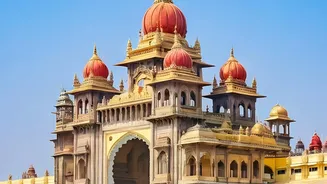
Begin your journey in Mysore, the City of Palaces and the enduring seat of the Wodeyar dynasty. The magnificent Mysore Palace, also known as Amba Vilas Palace, is the main event. Rebuilt in the early 20th century in the Indo-Saracenic style, its interiors are a lavish spectacle of stained glass, mosaics, and carved wooden doors. While the famous Dasara festival lighting is a sight to behold, the post-monsoon period offers its own quiet charm with fewer crowds and pleasant weather for exploring the sprawling palace grounds and the nearby Chamundi Hills. Spend a day or two absorbing the city's royal atmosphere before heading north.
Stop 2: Hampi, The Lost City of an Empire
The drive from Mysore to Hampi takes you into the heart of the erstwhile Vijayanagara Empire, once one of the richest in the world. Today, Hampi is a UNESCO World Heritage site, its surreal landscape of giant boulders strewn with the ruins of over 1,600 structures. Park your car and explore this vast open-air museum on foot, by bicycle, or with a local auto-rickshaw. Key sites include the Virupaksha Temple, which has remained an active place of worship for centuries, and the Vittala Temple, famous for its stone chariot and musical pillars. The view from Matanga Hill at sunrise or sunset, overlooking the ruins and the Tungabhadra River, is an unforgettable experience.
Stop 3: Badami, Aihole & Pattadakal – Cradle of Temple Architecture
From Hampi, continue your journey to the trio of heritage sites that represent the architectural genius of the Chalukya dynasty, who ruled from the 6th to the 12th centuries. Badami, the former capital, is renowned for its stunning rock-cut cave temples carved into a sandstone cliff. Nearby Aihole is considered a 'laboratory' of temple architecture, with over 120 temples showcasing experimental styles. A short drive away is Pattadakal, another UNESCO World Heritage site, where Chalukyan architecture reached its zenith, blending North Indian (Nagara) and South Indian (Dravidian) styles in a single glorious complex. This leg of the trip is a masterclass in the evolution of Indian temple design.
Stop 4: The Mighty Forts of Bidar
The final destination on this royal tour is Bidar, home to one of the most formidable forts in the Deccan. This was the capital of the Bahmani Sultanate in the 15th century. The Bidar Fort is a sprawling complex known for its ingenious triple-layered moat, massive bastions, and beautiful palaces like the Rangin Mahal, which features exquisite tile work and mother-of-pearl inlay. The fort complex also houses important monuments such as the Solah Khamba Mosque and the Mahmud Gawan Madrasa, an ancient university that reflects the region's Persian architectural influences. It’s a fittingly powerful end to a journey through Karnataka's layered royal past.
Tips for Your Post-Monsoon Drive
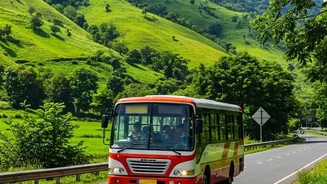
The ideal time for this road trip is from October to February, when the weather is cool and dry, making exploration pleasant. The roads, particularly the national highways, are generally in good condition. However, some stretches leading to the heritage sites might be narrower state or rural roads. Plan for relaxed driving days of 4-6 hours to avoid fatigue and to allow for spontaneous stops. Book your accommodations in advance, especially if traveling during peak tourist season. Pack comfortable walking shoes, as you will be exploring large complexes on foot. A mix of light layers is also advisable, as mornings and evenings can be cool.