








The Inefficiency of Paper
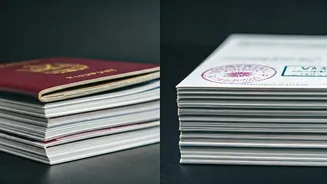
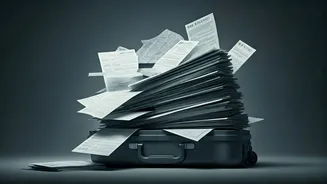
Global trade has long been burdened by paper-based processes. A single international shipment can require up to 50 different documents, often exchanged manually between dozens of stakeholders. This reliance on physical paper is not just slow; it's expensive,
prone to human error, and creates significant security risks. From bills of lading to customs declarations, the journey of a document can be as complex as the journey of the goods themselves, leading to costly delays, compliance headaches, and a lack of real-time visibility. A McKinsey study noted that simply adopting an electronic bill of lading could save stakeholders billions annually. This friction-filled system is precisely what forward-thinking nations are now trying to dismantle.
The UAE's Paperless Ambition
The United Arab Emirates is aggressively pursuing a digital-first future. The Dubai Paperless Strategy, for instance, aimed to make the government completely paper-free after 2021, eliminating over a billion pieces of paper used in government transactions annually. This initiative extends across all government entities, which now provide over 1,800 digital services. A major next step is the mandatory implementation of electronic invoicing (e-invoicing) for all business-to-business and business-to-government transactions by July 2026. The broader UAE Digital Economy Strategy aims to increase the digital economy's contribution to GDP to over 20% by 2031, supported by heavy investment in AI, blockchain, and smart city infrastructure. Initiatives like the UAE TradeTech Regulatory Sandbox, a collaboration with the World Economic Forum, are testing solutions for secure digital trade documentation and digital identity, signaling a clear intent to lead in global digital trade.
Japan's Move Beyond the 'Hanko'
Japan, a nation known for both technological innovation and deep-rooted traditions, is tackling its own unique paper challenge: the 'hanko' seal. For centuries, these personal seals have been required to authenticate everything from office memos to major legal contracts. However, the pandemic highlighted the system's inefficiency, with workers often needing to go to the office just to stamp a document. In response, Japan's Digital Agency, established in 2021, has been driving reforms to move away from physical seals. The government has drastically reduced the number of official procedures requiring a physical seal and passed laws to recognise the legal validity of electronic signatures. This move towards 'e-seals' and a broader 'Comprehensive Data Strategy' is designed to create a trusted environment for digital data, boosting Japan's international competitiveness and making its administrative processes more efficient.
What Makes a Document 'Smart'?
So, what exactly are 'smarter documents'? This isn't just about scanning a paper and creating a PDF. It refers to a suite of technologies that make documents secure, interactive, and automated. Intelligent Document Processing (IDP) uses AI and machine learning to automatically capture, verify, and extract data, reducing errors and manual effort. Technologies like blockchain create a tamper-proof audit trail, ensuring the authenticity and integrity of a document like an electronic bill of lading. Digital signatures provide secure authentication, while cloud-based platforms allow for real-time tracking and collaboration among all parties in a transaction. This ecosystem of technologies transforms a static document into a dynamic, trusted data source, streamlining everything from customs clearance to trade finance.
Why This Matters for India
The digital transformation in Japan and the UAE has direct implications for India. The UAE is India's third-largest trading partner, and Japan is a crucial source of investment and technology. As these countries digitise their trade and governance infrastructure, Indian businesses must adapt to stay competitive. The finalisation of the Comprehensive Economic Partnership Agreement (CEPA) between the UAE and Japan further solidifies their commitment to digital transformation and streamlined trade. For Indian exporters, this means the potential for faster customs clearance, reduced paperwork, and lower transaction costs. For professionals, it could mean simpler verification of credentials. To capitalise on these opportunities, Indian companies will need to embrace digital documentation platforms and align their processes with the emerging global standards being set by these key partners. The shift is not just about efficiency; it's about being part of the next generation of global trade.