






A Library for More Than Books
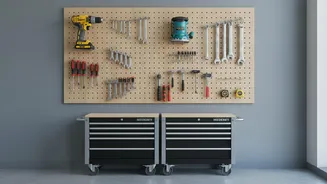
Across urban India, a quiet revolution is unfolding in residential complexes. It’s called a 'Library of Things'—a shared collection of items that residents can borrow, use, and return. Instead of every household owning a power drill, a stepladder, a carpet
cleaner, or a high-pressure washer, the community owns one collectively. The concept is simple but powerful: it shifts the focus from individual ownership to shared access. This model is part of a larger global movement towards a 'sharing economy', which prioritizes using resources efficiently. For items that are expensive, bulky, and used infrequently, sharing just makes sense. It’s an idea that has been successfully implemented in cities like London and Berlin and is now being adapted for Indian apartment societies.
The Triple Bottom Line: Planet, Pocket, and People
The most immediate benefit is financial. Residents save significant money by not having to purchase costly equipment for one-off jobs. This lowers the overall cost of living, which is a major advantage in today’s inflationary economy. Secondly, the environmental impact is enormous. India is one of the world's largest generators of electronic waste (e-waste), producing millions of tonnes annually. Many household appliances have short lifespans and contribute to this growing crisis. By sharing, communities drastically reduce the number of appliances purchased and, eventually, discarded. This directly tackles hyper-consumption and promotes a circular economy model where resources are used for as long as possible. Finally, these libraries have a surprising social benefit. They become a new hub for community interaction. Neighbours meet, share tips, and build relationships, turning anonymous high-rises into more connected and resilient communities.
How It Works in Practice
The logistics of a tool library are surprisingly straightforward. In many tech-savvy societies, the system is managed through the community’s existing society management app. Companies like Planet Smart City have integrated a 'Library of Things' feature into their apps, allowing residents to browse available items, check their availability, and reserve them with a few clicks. Other communities use simpler, honour-based systems like a shared spreadsheet or a physical logbook kept in a common area. The items are typically stored in a secure, accessible common space like a storeroom or a designated part of a clubhouse. Donations from residents often form the initial inventory, supplemented by purchases made using the society’s welfare funds. To ensure longevity, clear rules are established for borrowing duration, proper usage, and responsibility for any damage.
Overcoming the Hurdles
Of course, a shared system is not without challenges. The primary concerns often revolve around the maintenance and longevity of the tools. Who is responsible if an item breaks? What happens if someone doesn't return an item on time? Successful tool libraries address these issues proactively. They often have a small, dedicated team of volunteers from the society’s management committee to oversee the process. Some might collect a nominal, refundable security deposit for high-value items. Clear, community-agreed guidelines on liability and care are crucial. The key is to foster a sense of collective ownership and responsibility, reminding everyone that the library is a shared resource that benefits all when it is well-maintained.
How to Start a Tool Library in Your Society
Inspired to bring this idea to your own building? Starting a tool library is achievable. First, gauge interest among your neighbours and the management committee. You can start small by creating an inventory of items residents are willing to lend. A simple WhatsApp group or a Google Sheet can serve as your initial platform. Next, identify a secure space for storage. For funding, you can propose using a portion of the society’s maintenance or welfare funds, or pool voluntary contributions to purchase a few essential, high-demand items like a sturdy ladder, a basic toolkit, and a vacuum cleaner. The most important step is to create a simple sign-out system and clear guidelines. By starting small and demonstrating the value, you can build momentum and grow your library over time.