







What Are the Orionids?
The Orionid meteor shower is an annual celestial event that occurs when Earth passes through the stream of debris left behind by the famous Halley's Comet. These tiny particles, most no bigger than a grain of sand, burn up upon entering our atmosphere
at incredible speeds, creating the bright streaks of light we call meteors or 'shooting stars'. The Orionids are known for being particularly fast and bright, and they can sometimes leave glowing 'trains' or trails that linger for a few seconds after the meteor has vanished. It's a direct connection to one of history's most renowned comets, visible right from your backyard.
Best Time to Watch in 2026
Mark your calendars for the night of October 21 and the pre-dawn hours of October 22, 2026. This is the predicted peak of the shower, when the highest number of meteors will be visible. In 2026, skywatchers are in for a particular treat as the peak coincides with a new moon. This means the sky will be exceptionally dark, creating perfect conditions for spotting even the fainter meteors. The best viewing window is from midnight until dawn, when the Earth turns into the meteor stream and the shower's radiant point is high in the sky. Under these ideal conditions, you could see between 15 and 25 meteors per hour.
Finding the Right Spot
The single most important factor for a successful viewing experience is getting away from city lights. Light pollution from cities, towns, and even major highways can wash out the sky and make it impossible to see most meteors. For the best views, plan a trip to a rural area, a remote village, or a hill station. Places like Coorg in Karnataka, the Spiti Valley in Himachal Pradesh, or the outskirts of national parks are excellent choices. Even driving an hour outside your city to a darker location can make a huge difference. Find a spot with a wide, unobstructed view of the sky, away from tall trees and buildings.
How to Look and What You'll Need
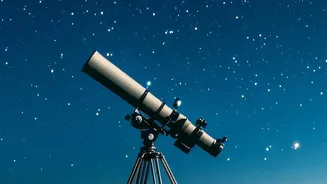
You don't need a telescope or binoculars to enjoy a meteor shower; your eyes are the best tool for the job. The key is to take in as much of the sky as possible. While the meteors appear to originate from the constellation Orion, which rises in the east around 10 p.m., they can appear anywhere in the sky. The best technique is to lie on your back and look straight up. Get comfortable with a reclining chair, a thick blanket, or a sleeping bag. Dress in warm layers, as even in India, the pre-dawn hours can get chilly, especially at higher altitudes.
Essential Tips for Amateur Observers
First, be patient. It takes about 30 minutes for your eyes to fully adapt to the darkness. During this time, avoid looking at your phone or any other white light source, as it will reset your night vision instantly. If you need to use a light, a red-light torch is ideal. Stargazing apps on your phone can help you locate Orion, but be sure to use them in 'night mode' to preserve your dark adaptation. Pack some warm drinks and snacks to make the experience more comfortable. Meteor showers are not a constant stream of light; they come in spurts. Relax, enjoy the quiet of the night, and be prepared to wait for the magic to happen.