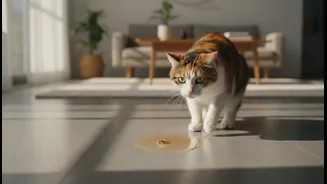




What Restlessness Looks Like
Restlessness isn't just about a pet having extra energy; it's an inability to settle down. This behavior can be subtle at first. You might notice your dog or cat pacing the floors, circling, or constantly changing its position. They might lie down, only
to get up again moments later. It can seem like they are actively trying to get comfortable but just can't manage it. This might also manifest as an unusual level of hyperactivity or hypervigilance, where the pet seems distracted and unable to relax even when tired. Unlike a simple case of the zoomies, this behavior feels persistent and unsettled. Learning to spot this abnormal pattern is the first step in understanding what your pet might be trying to communicate.
The Message of Stress and Anxiety
One of the most common reasons for restlessness is psychological distress. Just like humans, pets experience stress and anxiety, and it often manifests physically. A change in routine, a new person in the home, or loud noises like thunderstorms and fireworks can trigger a state of anxiety. In this state, a pet's brain is in survival mode, making it difficult for them to relax. This restlessness is their body's way of responding to a perceived threat. You might also notice other subtle signs of fear, such as lip licking, yawning when not tired, or having a tucked tail. Recognizing that pacing and an inability to settle can be linked to fear or anxiety helps you look for environmental triggers you might be able to manage or remove.
A Signal of Physical Discomfort
More critically, restlessness is one of the primary ways pets signal they are in physical pain. Animals, by instinct, often hide their pain to avoid showing vulnerability. A study highlighted that even attentive owners can miss subtle signs of pain. This makes quiet signals like restlessness incredibly important to notice. Conditions ranging from arthritis and dental disease to more serious internal issues like gastrointestinal upset, bloat, or organ disease can cause significant discomfort. The act of constantly moving or shifting positions may be an attempt to find a posture that alleviates the pain. If you notice restlessness, especially in combination with a hunched posture, a swollen abdomen, or sensitivity to touch, it could be a sign of a serious medical issue.
Boredom and Under-Stimulation
Not every case of restlessness points to a crisis. Sometimes, the cause is much simpler: your pet is bored. A lack of sufficient physical exercise and mental stimulation can lead to a build-up of pent-up energy that manifests as restlessness. Intelligent, high-energy breeds are particularly prone to this. If your pet seems antsy but is otherwise healthy, eating well, and shows no other signs of pain or anxiety, consider if their needs for activity are being met. Engaging them with interactive thinking games, food puzzles, or simply adding an extra walk or play session to the day can often resolve restlessness caused by boredom.
When to Watch and When to Act
So how do you know when restlessness is a minor issue versus a true emergency? Context is key. First, observe. Is there an obvious trigger, like a nearby construction site or a change in routine? Have you been too busy for the usual long walk? However, you must take it seriously if the restlessness is new, persistent, or accompanied by other concerning symptoms. Emergency care is warranted if you see additional signs like unproductive vomiting, difficulty breathing, a bloated abdomen, pale gums, disorientation, or an inability to walk. You know your pet best. If their behavior feels significantly off and they seem unable to get comfortable for no clear reason, trusting your instinct and contacting a veterinarian is always the safest choice.