



Figs: Nature’s Jam-Filled Pouches
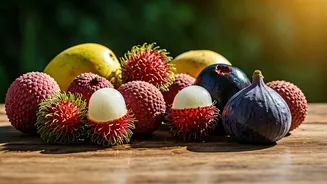
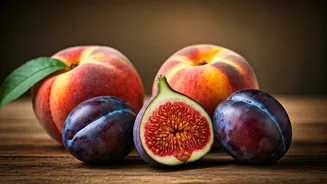
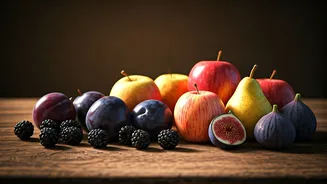
Forget the dried, packaged version you see year-round. A fresh fig, picked at its peak in late summer, is a completely different experience. Soft, luscious, and filled with a honey-sweet, seed-studded pulp, it’s a luxurious treat. You’ll find several
varieties, from the dark purple Mission fig to the greenish-yellow Calimyrna. A perfectly ripe fig is soft to the touch and might even have a small drop of syrupy nectar at its base. Handle them gently, as they bruise easily. While they are a showstopper on any cheese board, their truest expression is often the simplest: eaten fresh, straight from your hand, perhaps with a drizzle of good balsamic vinegar or a dollop of mascarpone.
Concord Grapes: The Scent of Childhood
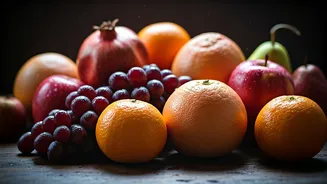
If you could bottle the aroma of autumn, it might just smell like Concord grapes. This isn't your average green or red table grape. The Concord has a thick, deep purple skin that slips easily away from a tart, jelly-like interior. The flavor is intense and unmistakable—the very essence of “grape” flavor that inspires juices and jams. To pick the best ones, look for bunches with a dusty, silvery-white bloom, which is a natural, protective coating that indicates freshness. Pop the pulp into your mouth, suck the juice, and discard the tart skin and seeds. They are nature’s candy, perfect for snacking, or you can cook them down into a simple, unforgettable syrup for pancakes or cocktails.
Pawpaws: The Forgotten American Fruit
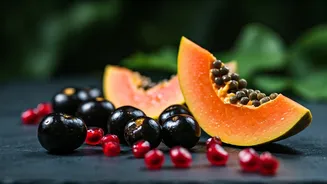
Often called the “Indiana banana” or “prairie banana,” the pawpaw is the largest edible fruit native to North America, yet many Americans have never tasted one. With a flavor profile that’s a tropical mashup of banana, mango, and cantaloupe, and a creamy, custard-like texture, it’s a true delicacy. Pawpaws grow wild in the eastern U.S. and have an incredibly short season, typically just a few weeks in September. Because they don’t ship or store well, your best bet is a local farmers market in its native region. A ripe pawpaw will be soft (like a ripe avocado) and give off a fragrant, fruity aroma. The best way to eat it is to simply slice it in half and scoop out the flesh with a spoon, spitting out the large black seeds.
Pears: Beyond the Supermarket Standard
You can find pears at the grocery store any time of year, but they are truly an autumn fruit. The variety and flavor available from late August through October are astounding and put the hard, flavorless winter pears to shame. Look for tender-skinned Bartletts for canning or eating out of hand, buttery Comice for pairing with cheese, and the dense, spicy Bosc for baking and roasting. A pear is unique in that it ripens best off the tree. To check for ripeness, “check the neck”—gently press the area near the stem. If it gives slightly, it’s ready to eat. Enjoy them sliced with sharp cheddar, roasted with pork, or poached in spiced wine for a classic dessert.
Persimmons: The Jewel of Late Autumn
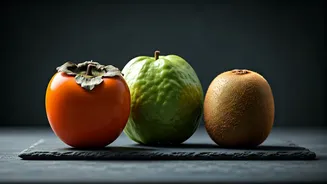
As other fruits fade, the persimmon arrives, glowing like a bright orange ornament. There are two main types you’ll find in the U.S. The Fuyu is squat and round, like a tomato, and can be eaten firm and crisp like an apple. It’s sweet, mild, and perfect for slicing into salads or onto a yogurt bowl. The other is the Hachiya, which is acorn-shaped. This variety is intensely astringent and chalky until it is completely, utterly soft and jelly-like. When fully ripe, its flesh is a divine, pudding-like nectar with notes of apricot, cinnamon, and honey. Scoop it out with a spoon for a simple, decadent dessert. Don't mix them up, or your mouth will pucker in protest!