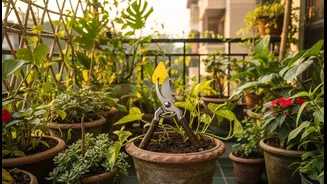









The Science of a Green Air Conditioner
A rooftop covered in plants is more than just a pretty sight; it’s a high-performance cooling system. This natural magic works through two primary principles: shading and evapotranspiration. Firstly, a dense layer of foliage physically blocks the sun’s
rays, preventing the concrete surface from absorbing and storing massive amounts of heat. While a conventional roof can reach scorching temperatures, a green roof's surface can be significantly cooler. Secondly, through evapotranspiration, plants absorb water through their roots and release it as cool moisture vapour into the air. This process actively removes heat from the surrounding environment, lowering not just the roof temperature but also the ambient air temperature. The soil or growing medium also acts as a powerful layer of insulation, reducing the amount of heat that transfers into the building below and potentially lowering air conditioning needs.
Choosing Your Rooftop Warriors
Not all plants are created equal when it comes to surviving on a hot, exposed rooftop. The ideal candidates are tough, resilient, and adapted to thrive in harsh conditions. Look for plants with characteristics like drought tolerance, as they can withstand periods with less water. Succulents and other plants with fleshy leaves are excellent at storing their own water reserves. Shallow root systems are also beneficial, as deep soil isn't always feasible on a roof. Above all, prioritise native and heat-resistant varieties that are naturally suited to India's diverse and often intense climate. These plants require less maintenance and are more likely to flourish, creating a sustainable and effective green cover.
Hardy Succulents and Sedums
When it comes to low-maintenance cooling, succulents are the undisputed champions. Their ability to store water makes them incredibly drought-tolerant and perfect for sun-baked rooftops. Sedums, also known as stonecrops, are a fantastic choice, forming dense, heat-resistant mats that effectively cover the roof surface. Varieties like 'Angelina' with its golden foliage, or the popular Burro's Tail (Sedum morganianum), are both beautiful and hardy. Portulaca, or Moss Rose, is another excellent succulent groundcover that produces vibrant, cheerful flowers even in intense heat and is widely available across India. Other great options include various species of Echeveria, Agave, and the ever-reliable Aloe Vera, all of which thrive with minimal water.
Flowering Beauties and Fragrant Herbs
A cool roof doesn't have to be just green. Many flowering plants are tough enough to handle rooftop conditions while adding a splash of colour and fragrance. Bougainvillea is a classic choice for Indian gardens, known for its vibrant bracts and incredible heat tolerance. While it grows large, it does well in containers. Lantana is another hardy shrub that produces clusters of colourful flowers and thrives in poor soil and dry conditions. For a fragrant touch, consider growing herbs like Lavender, Rosemary, or Lemongrass. These herbs are generally drought-tolerant and release pleasant aromas, turning your rooftop into a multi-sensory retreat. Even the humble Tulsi (Holy Basil) can help create cooler pockets when planted in clusters, thanks to its dense foliage.
Creepers and Climbers for Natural Shade
To maximise the cooling effect, think vertically. Training climbers and creepers over a pergola or along walls can create a living curtain of shade, dramatically reducing the heat that hits building surfaces. The Betel Leaf plant, for instance, is a fast-growing climber with broad leaves that can form a dense green screen, protecting walls from direct sun. Many varieties of Jasmine, such as Asiatic Jasmine, are hardy groundcovers that can also be trained to climb, offering glossy leaves and fragrant flowers. Using these plants to create shaded canopies not only cools the space beneath but also adds a wonderful, enclosed garden feel to your terrace, making it a more inviting place to spend time.