







Why the Monsoon Messes with Your Hair
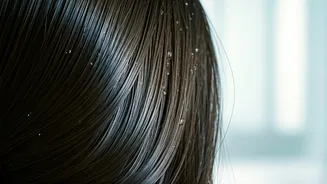
The primary culprit behind seasonal hair fall is the spike in humidity. [2, 3] Your hair's chemical structure is sensitive to airborne hydrogen, and in humid weather, it absorbs this excess moisture, causing the hair shaft to swell. [4, 13] This constant
swelling and contracting process weakens the hair, making it brittle and prone to breakage. [16, 20] Furthermore, the damp environment is an ideal breeding ground for fungal and bacterial infections on the scalp, like dandruff, which can weaken roots and lead to shedding. [2, 7, 21] Add to this the fact that rainwater often contains pollutants that can damage hair, and you have a perfect storm for hair trouble. [3, 6, 22]
Master Your Cleansing Routine
Keeping your scalp clean is non-negotiable during the monsoon. The mix of sweat, oil, and environmental grime can clog hair follicles, weakening the roots. [8, 17, 21] Aim to wash your hair two to three times a week with a mild, sulphate-free shampoo to remove buildup without stripping natural oils. [2, 8] If you get caught in the rain, it's crucial to wash your hair as soon as possible to rinse out acidic pollutants. [5, 11] When conditioning, focus the product on the lengths and ends of your hair, avoiding the scalp to prevent it from getting greasy. [10] A final rinse with cool water can help close the cuticles, adding shine and reducing frizz. [3]
Nourish From the Inside Out
What you eat plays a significant role in your hair's strength and resilience. A balanced diet is your first line of defence. Ensure you're getting enough protein, which is the building block of hair. [12] Also, focus on foods rich in biotin, iron, zinc, and omega-3 fatty acids to support hair health from within. [14, 15] Including items like nuts, seeds, beans, leafy greens, and sprouts in your diet can provide these essential nutrients. [15, 23] Staying hydrated by drinking plenty of water is also key, as it helps maintain overall scalp health. [23, 24]
Smart Styling and Daily Care
How you handle your hair daily can make a huge difference. Wet hair is incredibly fragile, so avoid combing or brushing it right after washing. [5] Instead, use a wide-toothed comb to gently detangle once it's partially dry, starting from the tips and working your way up to the roots. [3, 5] Swap your regular cotton towel for a soft, microfibre one to dry your hair, as it absorbs water quickly with minimal friction. [4] It's also wise to avoid tight hairstyles like tight ponytails or buns, which can pull on weakened roots and cause breakage. [8] Lastly, minimize the use of heat styling tools, as they can further dry out and damage already vulnerable hair. [3, 9]
Simple Remedies and When to Seek Help
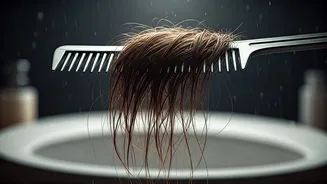
A few home practices can provide extra support. A gentle, warm oil massage with coconut or almond oil once or twice a week, about an hour before washing, can nourish the scalp and improve blood circulation. [12, 23] A simple hair mask made from natural ingredients like aloe vera or a paste of neem can help soothe the scalp and prevent infections. [15] While losing 50-100 strands a day is normal, this number can increase to over 200 during the monsoon. [3, 7] This increase is usually temporary. [2] However, if you notice excessive hair fall that continues beyond the season, bald patches, or severe scalp irritation, it's best to consult a dermatologist to rule out any underlying conditions. [2, 13, 22]