





So, What Exactly Is Monsoon Cooking?
First, let's clear something up: “monsoon cooking” isn’t a single, defined cuisine like Italian or Japanese. Instead, it’s a seasonal culinary philosophy practiced across countries like India, Bangladesh, and Thailand during the rainy months. Think of
it as the ultimate expression of seasonal eating. While American culinary seasons are often defined by spring asparagus or autumn squash, monsoon cooking revolves around the specific cravings and ingredients that emerge when the weather turns wet, humid, and gray. It’s a tradition built on two simple principles: cooking with what’s fresh and abundant during the rains, and creating dishes that provide warmth, comfort, and a boost to the immune system.
The Irresistible Crunch of Fried Snacks
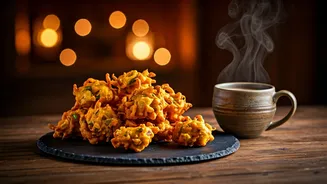
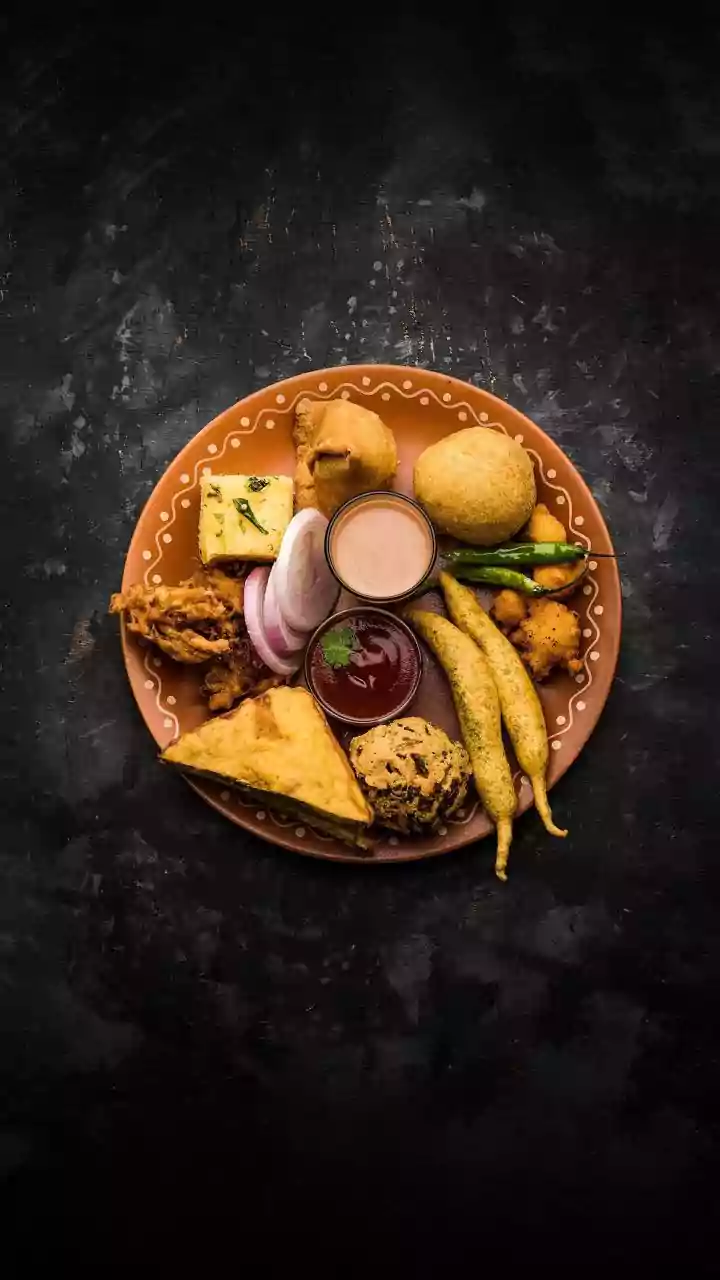
Nothing says “monsoon” quite like the sound of something sizzling in hot oil. Across South Asia, the arrival of rain is an excuse to indulge in an array of fried snacks, or *bhajiyas*. The most iconic are *pakoras*—vegetables like onions, spinach, or potatoes dipped in a spiced chickpea flour batter and fried until golden and crispy. Eaten hot, often with a cup of steaming, spiced chai, they provide a satisfying textural contrast to the damp weather outside. This tradition is about more than just food; it’s a social ritual. Families gather, street vendors do their busiest trade, and the simple act of sharing a plate of hot, crunchy snacks becomes a celebration of the season.
Nourishing Comfort in a Bowl
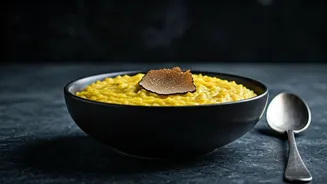
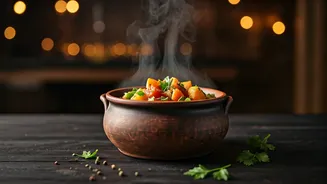
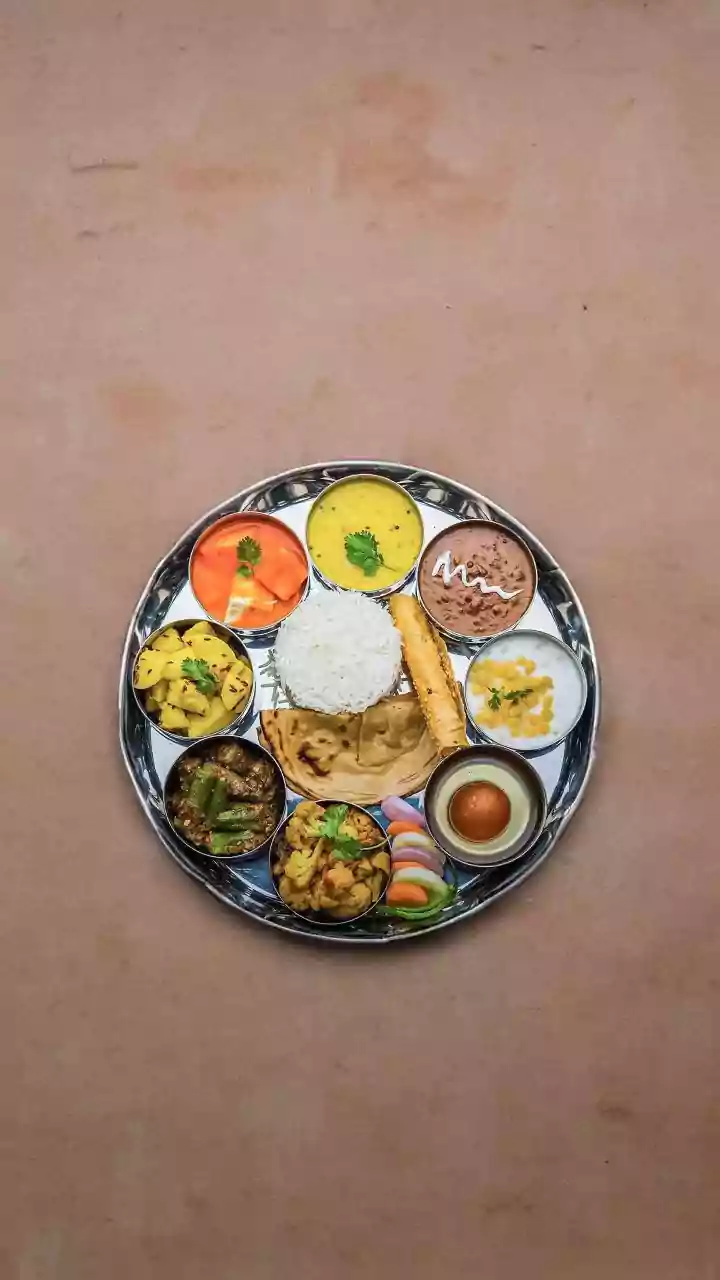
When you’re feeling damp and chilled, a warm bowl of something nourishing is non-negotiable. Monsoon cooking is rich with one-pot meals that deliver deep, soulful flavor. A cornerstone is *khichdi*, a humble but beloved porridge of rice and lentils simmered with turmeric and ghee. It’s the South Asian equivalent of chicken noodle soup—a go-to remedy for everything from a common cold to a gloomy mood. Other staples include hearty lentil stews (*dal*), spicy broths, and corn on the cob (*bhutta*), often roasted over coals and rubbed with lime, salt, and chili. These dishes are designed to be grounding, easy to digest, and deeply warming from the inside out.
Embracing Earthy, Seasonal Ingredients
The monsoon brings more than just rain; it coaxes a unique bounty from the earth. This season sees a surge in ingredients that thrive in damp conditions. Wild mushrooms, various types of gourds, and specific leafy greens that wilt in the summer heat suddenly flourish. These ingredients have an earthy, robust flavor that pairs perfectly with the mood of the season. In the U.S., this aspect of monsoon cooking resonates strongly with the farm-to-table movement. It’s a reminder to look beyond the usual suspects and embrace what nature provides, whether it’s foraged mushrooms after a local downpour or the pumpkins and root vegetables of American autumn.
Why It’s Resonating in America Now
The phrase “monsoon cooking” might be new to many, but the underlying concepts are universal and tap directly into current American food trends. We’re already obsessed with comfort food, from mac and cheese to ramen. We’re increasingly drawn to seasonal, sustainable eating. And thanks to social media, we have an insatiable appetite for authentic, regional flavors from around the world. Monsoon cooking ties all these threads together. It offers a new vocabulary for the cozy, restorative food we crave on a gray day, while also introducing a treasure trove of new dishes, flavors, and ingredients. It’s less a “takeover” and more a beautiful, timely discovery.