





The Psychology of 'Buy Now, Pay Later'
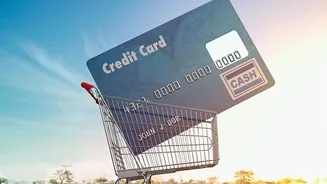
BNPL services have exploded in popularity across India, especially among tech-savvy young consumers. The appeal is simple: get what you want now and pay for it in small, seemingly manageable instalments, often interest-free. This model reduces the immediate
'pain of paying,' shifting your focus from the total cost of an item to just the first EMI. This psychological trick makes expensive products feel more affordable, encouraging impulse purchases of non-essential items like gadgets, fashion, and more. While convenient, this frictionless credit can quickly lead to overspending, as multiple small purchases accumulate into a significant financial burden without you even realising it.
Recognise the Hidden Risks
The convenience of BNPL comes with strings attached that many first-time users overlook. Missing a single payment can trigger hefty late fees and high interest rates, sometimes as much as 30-40% annually, turning a 'no-cost' EMI into an expensive loan. Furthermore, all BNPL transactions are now treated as short-term personal loans and must be reported to credit bureaus. This means that missed payments can directly harm your CIBIL score, affecting your ability to secure loans for major life goals in the future, like education, a vehicle, or a home. The ease of access can create a cycle of debt, where new credit is used to pay off old bills, trapping consumers in a spiral that is hard to escape.
Create a Strict Festive Budget
The most powerful tool against impulse spending is a well-defined budget. Before the sales begin, sit down and calculate your income and essential monthly expenses. Decide on a realistic, total amount you can afford to spend during the festive season without dipping into savings or emergency funds. Allocate this amount into specific categories like gifts, clothing, and electronics. Having a clear spending limit written down helps you stay grounded when faced with tempting 'limited-time' offers. It transforms your shopping from a reactive, emotional activity into a planned, intentional one.
Implement the 24-Hour Rule
To combat the immediacy that drives impulse buys, use a cooling-off period. One popular method is the 30-day rule, but a shorter 24-hour version can be just as effective during fast-paced festive sales. When you feel the urge to buy something that isn't on your pre-planned list, add it to your wishlist, not your cart. Force yourself to wait at least 24 hours before making the purchase. This simple delay allows the initial emotional excitement to fade. After a day, you can revisit the item and ask yourself if you truly need it. More often than not, you'll find the urge has passed, saving you from an unnecessary expense.
Differentiate Wants From Needs
Festive sales are designed to make you feel like you're missing out if you don't buy. Marketers create a sense of urgency to push you towards buying things you want, not necessarily what you need. Before you click 'buy', pause and critically evaluate the purchase. Ask yourself: Is this an essential item I was planning to buy anyway, or is the discount tempting me? Will this purchase genuinely add value to my life, or is it a fleeting desire? Prioritising needs over wants is a fundamental principle of financial discipline that becomes even more critical during the high-pressure environment of festive sales.
Clean Up Your Digital Environment
Your phone can be a constant source of temptation. Every notification, email, and social media ad is designed to lure you into spending. Take a proactive step to reduce this exposure. Unsubscribe from promotional email lists from major e-commerce platforms. Mute or unfollow brands and influencers on social media whose content primarily revolves around shopping hauls and product promotions. Curating your digital space reduces the number of triggers you're exposed to, making it easier to stick to your budget and avoid unplanned purchases. It puts you back in control of when and where you shop.
Use Safer Payment Methods
If you've decided on a purchase that fits your budget, consider the payment method. Instead of defaulting to BNPL or credit cards, try using cash, a debit card, or UPI. Paying with money you already have creates a direct link between the purchase and your bank balance, making the financial impact feel more real. This friction is a healthy check on your spending. If you must use a credit facility, make sure it’s a planned purchase and you have a clear plan to pay the bill in full and on time to avoid any interest or penalties.