



Adding a scoop of protein powder to a recipe seems like a simple health boost, but it often leads to a dry, rubbery, or gritty disaster. The good news is that you can avoid these kitchen fails with a little bit of food science know-how.
Why Protein Powder Changes Everything
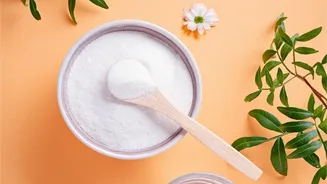
Protein powder
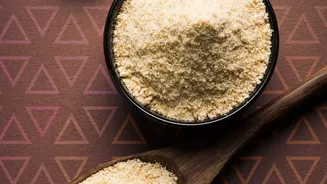
may look like flour, but it behaves very differently in a recipe. The primary issue is its thirstiness; protein powder absorbs significantly more liquid than flour does. When heated, the protein molecules uncoil and link together in a process called denaturation. Without enough moisture or fat to get in the way, these protein chains bond tightly, squeezing out water and creating a dense, tough, or rubbery texture. This is why simply swapping flour for protein powder one-for-one is a recipe for disappointment, often resulting in a dry, crumbly mess instead of a tender baked good.
Know Your Powder: Whey, Casein, and Plant-Based
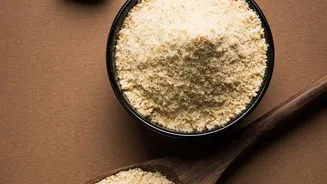
Not all protein powders are created equal, and they are not interchangeable in recipes. Whey, a popular milk-based protein, provides good structure but can become rubbery if overcooked because it denatures at a lower temperature. Casein, the other milk protein, absorbs more liquid, resulting in thicker batters and potentially moister, though denser, final products. Plant-based proteins, such as those from peas, rice, or hemp, are known for being highly absorbent and can sometimes lend an earthy taste or gritty texture that needs to be masked or managed with other ingredients. A recipe designed for one type of protein will likely need adjustments if you use another.
The Golden Rules of Cooking with Protein
To successfully incorporate protein powder, a few rules of thumb apply across most recipes. First, never replace all the flour. A good starting point is to substitute no more than one third of the flour with protein powder. Second, you must increase the moisture content. For every scoop of protein powder, you may need to add extra liquid like milk, water, or even moisture rich ingredients like Greek yoghurt, mashed banana, or pumpkin puree. Adding a source of fat, such as an egg, oil, or nut butter, is also crucial for keeping the texture tender. Finally, be gentle when mixing; overmixing can create a tough, dense product.
Tips for Better Protein Baked Goods
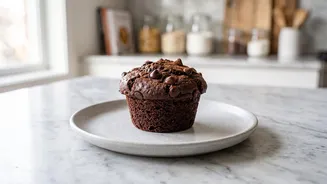
When baking items like muffins, cookies, or cakes, managing heat and moisture is key. Consider lowering your oven temperature by about 25 degrees Fahrenheit (around 15 degrees Celsius) from what the original recipe calls for. Protein bakes faster and is prone to drying out, so a lower temperature allows for a more even bake. Also, watch your treats closely and pull them from the oven when they are just slightly underdone; they will continue to cook as they cool. To help with leavening, since protein powder is heavier than flour, you might need to slightly increase your baking powder or soda.
Mastering Smoothies, Pancakes, and More
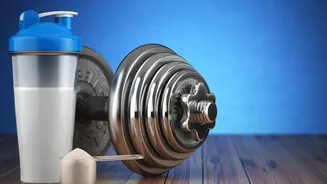
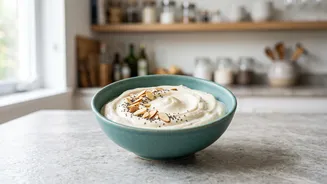
Even in simpler recipes, technique matters. For the smoothest protein shakes, blend your liquids and other ingredients first before adding the powder at the very end. Using a blender rather than a shaker bottle is also more effective at eliminating grittiness, especially with plant‐based powders. For pancakes, mix the batter until just combined to keep them light and fluffy. In recipes that don't require heat, like protein balls or puddings, the type of protein can still affect the outcome. A whey protein‐only mixture can be sticky, whereas a whey/casein blend often provides a better,, more workable texture for no‐bake treats.