






Kharif: The Monsoon Crop
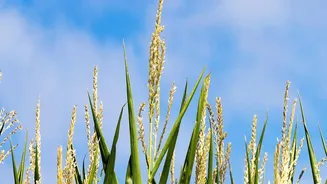
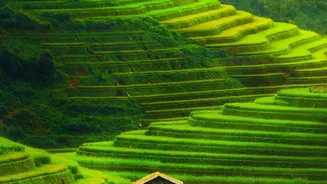
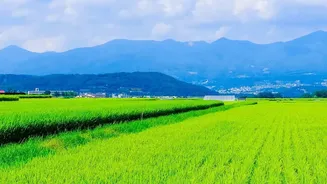
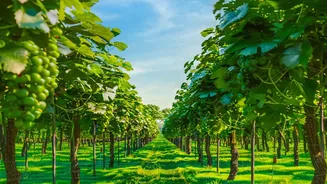
The Kharif season is perhaps the most well-known, intrinsically linked to the arrival of the Southwest monsoon. Sowing begins in June and July as the rains sweep across the country, and harvesting takes place between September and October. These crops
are heavily dependent on rainfall, making the timing and intensity of the monsoon a critical factor for agricultural output. Key Kharif crops include rice, which is a staple food for a majority of the population, along with maize, cotton, soybean, sugarcane, and groundnut. States like West Bengal, Punjab, Uttar Pradesh, and Andhra Pradesh are major producers of rice during this season. The success or failure of the Kharif season has a direct impact on the nation's food supply and economic stability.
Rabi: The Winter Harvest
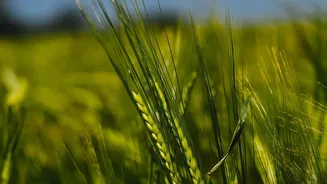
Following the Kharif harvest, the Rabi season begins. The name 'Rabi' is derived from the Arabic word for spring, the season in which these crops are harvested. Sowing takes place in the cooler, drier months of October to December, with the harvest occurring from April to June. Unlike Kharif crops, which rely on the monsoon, Rabi crops often depend on stored groundwater, irrigation, or residual moisture in the soil. This season is crucial for producing India's essential grains. The most important Rabi crop is wheat, followed by barley, mustard, peas, and gram. Key wheat-producing states include Uttar Pradesh, Punjab, and Haryana. The Rabi harvest ensures that granaries remain full through the hot summer months leading up to the next monsoon.
Zaid: The Summer Bridge
Sandwiched between the Rabi harvest and the start of Kharif sowing is the Zaid season, a short but significant summer cropping window from roughly March to June. The name 'Zaid' itself means 'extra' or 'additional' in Arabic, reflecting its role as a supplementary season. This period is characterized by hot, dry weather, meaning Zaid crops are almost entirely dependent on irrigation. The key advantage of this season is speed; crops are typically short-duration varieties that mature in just 60 to 90 days. This allows farmers to cultivate land that would otherwise lie fallow, providing an additional source of income and keeping a steady supply of fresh produce in the market.
Why Zaid's Timing is Critical
The timing of the Zaid season is a high-stakes game for farmers. Sowing must happen promptly after the Rabi crops are harvested to ensure the Zaid crops mature before the monsoon arrives in June. Any delay compresses an already tight growing window and can significantly reduce yields. Farmers must select fast-maturing, heat-tolerant varieties specifically designed for summer cultivation. The season's success hinges on reliable irrigation to cope with intense summer heat. Because of this tight schedule, mechanisation for quick land preparation becomes extremely valuable. This season is no longer just a bonus; for many, it's a crucial opportunity to recover from losses in other seasons or to buffer against an uncertain upcoming monsoon.
The Growing Importance of an 'Extra' Season
Once considered a minor season, Zaid's importance is growing rapidly. It provides a vital source of additional income for farmers during what would otherwise be a lean period. The crops grown, such as watermelon, muskmelon, cucumber, and various vegetables, meet high consumer demand during the hot summer months, helping to stabilize food prices. Furthermore, the cultivation of certain Zaid crops like moong dal (a pulse) improves soil health by fixing nitrogen, which benefits the subsequent Kharif crop. It also generates employment in rural areas during the agricultural off-season. With climate variability impacting the main seasons and farmers seeking to maximize land use, the Zaid season is becoming an indispensable part of India's agricultural strategy.