


The Heart of the Matter: A New Proposal
A growing consensus of medical experts in India, including cardiologists and public health specialists, is recommending a significant shift in our national diet. The proposal focuses on replacing regular table salt with potassium-enriched low-sodium salt substitutes
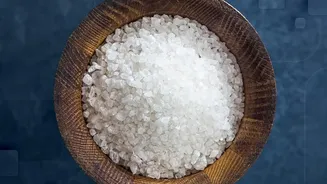
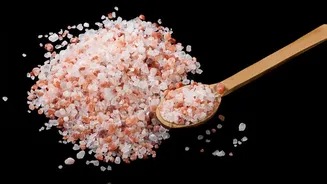
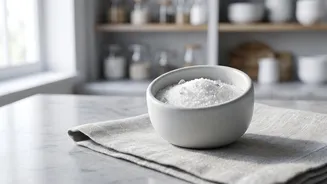
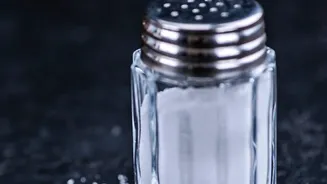
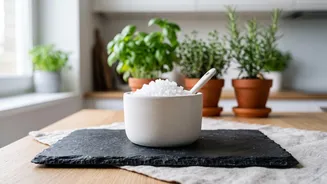
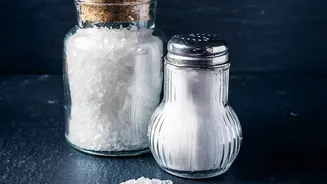
(LSSS). These substitutes, which typically replace about 25-30% of the sodium chloride with potassium chloride, look and taste very similar to regular salt. The idea isn't to eliminate salt but to make the salt we use healthier, thereby tackling a major public health crisis without asking people to radically change their eating habits.
India's Dangerous Salt Habit
The push for lower-sodium salt is a direct response to India's alarming salt consumption levels. The average Indian consumes between 8 and 11 grams of salt daily, with some estimates even higher. This is nearly double the World Health Organization's (WHO) recommended daily limit of 5 grams. This excess sodium intake is a primary driver of hypertension, or high blood pressure, which affects a vast number of Indians and is a leading risk factor for cardiovascular diseases like heart attacks and strokes. High salt intake is linked to an estimated 175,000 deaths in India each year. Unlike in Western countries where processed food is the main culprit, about 80% of salt in the Indian diet is added during home cooking or at the table, making household-level interventions crucial.
The Global Benchmark: WHO's 2025 Target
This Indian proposal is anchored in a global health objective. In 2013, all WHO member states, including India, committed to a set of targets to combat non-communicable diseases. One of the key goals was to achieve a 30% relative reduction in the average population's salt intake by 2025. The ultimate aim is to bring daily salt consumption below the 5-gram threshold. To support this, the WHO has also published global sodium benchmarks, setting target sodium levels for various categories of processed foods to encourage the industry to reformulate their products. While the world is reportedly off-track to meet the 2025 target, the goal remains a critical public health priority, with India now aiming for the 30% reduction by 2030.
Connecting Global Goals to Local Action
Indian experts are translating the WHO's global target into a practical, localized strategy. Recognizing that the bulk of salt consumption happens at home, they see LSSS as a uniquely effective tool for the Indian context. The expert consensus, developed at conferences hosted by organizations like The George Institute for Global Health and Resolve to Save Lives, suggests that promoting LSSS could be a 'dietary vaccine' for hypertension. The proposal calls for the Food Safety and Standards Authority of India (FSSAI) to formally recognize potassium-enriched iodised salt as an approved category, which would streamline its production and availability. This connects the high-level WHO mandate directly to regulatory action and consumer choice in India.
What Could Change for Consumers?
If this proposal gains traction, you could see several changes. First, low-sodium salt options might become more widely available and affordable. Currently, they are often more than double the price of regular salt and found in fewer than 30% of retail outlets in some areas. Experts also recommend their use in large-scale food preparation, such as in mid-day meal schemes, hospital kitchens, and government canteens, to normalise their use and build volume. For consumers, the switch would be simple, requiring no change in cooking or taste preference, but potentially leading to significant health benefits by lowering blood pressure and reducing the risk of heart disease.