


The Ever-Cheerful Balsam
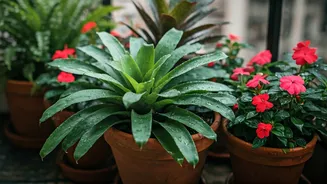
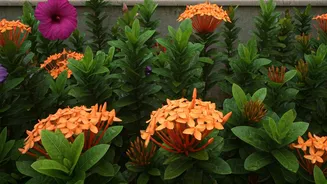
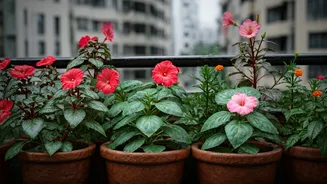
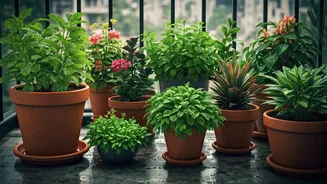
Balsam, also known as Impatiens, is a quintessential monsoon flower. [7] Its vibrant blooms in shades of pink, red, purple, and white bring a splash of colour to overcast days. [7, 13] These plants love the high humidity and moisture of the rainy season,
making them incredibly easy to grow from seeds sown directly in your pots. [7, 13] They grow quickly and start flowering within two months. [13] While they love moisture, ensure your pots have excellent drainage to prevent waterlogging. Balsam is a true delight, but keep an eye out for its seed pods, which burst when mature, scattering seeds for the next generation. [7]
Radiant Marigolds (Genda)
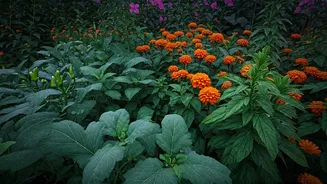
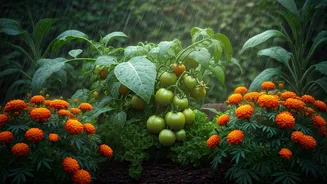
Marigolds are a hardy and auspicious favourite in many Indian homes. [13] Their sunny yellow and orange flowers are a perfect antidote to gloomy weather. [13] Compact varieties are ideal for balcony pots and containers. Marigolds are not just beautiful; they are also known for their pest-repelling properties, helping to keep mosquitoes and other insects at bay. [4] They thrive in well-draining soil and need a good amount of sunlight to produce abundant blooms, so place them in a spot that gets a few hours of direct sun. [13] They typically start to blossom within two months of planting. [13]
Fragrant Jasmine (Mogra/Chameli)
There's nothing quite like the combination of rain-soaked earth and the sweet fragrance of jasmine. Varieties like Mogra (Jasminum sambac) flourish during the monsoon, as the humidity encourages them to produce an abundance of aromatic flowers. [10, 13, 17] While some jasmines are climbers, many can be grown as shrubs in large pots, perfect for a balcony corner. [13] They prefer well-drained soil and a spot with partial to full sunlight. [10, 13] Regular pruning after the flowering season will keep the plant healthy and encourage more blooms. [13]
Tropical Hibiscus (Gudhal)
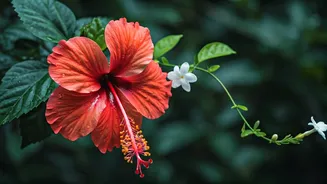
Hibiscus plants are another monsoon superstar, producing large, showy flowers that bring a tropical feel to any space. [10, 13, 15] The high humidity and consistent moisture of the rainy season trigger a burst of blooms in a dazzling array of colours like red, pink, yellow, and white. [10, 13] When growing hibiscus in a pot, choose a larger container to accommodate its root system and ensure it receives plenty of sunlight for maximum flowering. While it loves water, good drainage is crucial to prevent root rot during heavy downpours. [13]
Monsoon-Ready Vegetables and Herbs
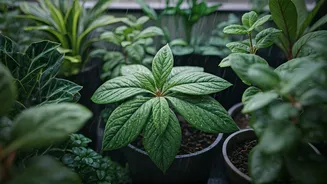
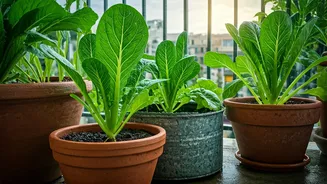
Your monsoon balcony garden isn't limited to flowers. Many vegetables and herbs thrive in containers during this season. Okra (Bhindi), green chillies, and brinjal are robust choices that produce well in 10- to 15-inch pots. [5] They require at least 5-6 hours of sunlight to fruit properly. [5] For shadier balconies, leafy greens like spinach (Palak) and herbs like mint (Pudina) and coriander are excellent options. [3, 4, 8, 9] These grow quickly and can be harvested multiple times, providing fresh ingredients for your kitchen. [3, 8]
Essential Monsoon Care for Potted Plants
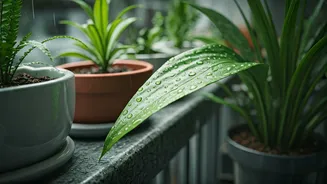
Success with a monsoon balcony garden often comes down to a few key care tips. First, ensure every pot has drainage holes to let excess water escape. [4, 6] It's also wise to elevate pots on bricks or stands to prevent them from sitting in stagnant water. [2, 4, 11] Use a light, well-draining potting mix; a combination of soil, compost, and cocopeat or sand works well. [2, 4] The humid conditions can encourage pests and fungal diseases, so check your plants regularly and consider a preventive spray of neem oil. [2, 4] Finally, reduce fertilizing, as the rain can wash nutrients away and over-fertilizing can harm the roots. [2, 6]