





The Secret to No-Smell Composting
The single biggest reason compost starts to smell is an imbalance of materials and a lack of air. Healthy compost requires a mix of 'greens' and 'browns'. Greens are nitrogen-rich, wet materials like your vegetable scraps and coffee grounds. Browns are carbon-rich,
dry materials like shredded cardboard, newspaper, or dry leaves. Bad smells, often like ammonia or rotten eggs, happen when you have too much wet green material and not enough dry brown material, creating a slimy, airless environment where the wrong kind of bacteria thrive. The goal is to create a balanced, moist, and airy pile that smells earthy and pleasant, not foul.
Gathering Your Greens and Browns
Your kitchen is a goldmine for 'green' materials. Collect fruit and vegetable peels, cores, and scraps, as well as used coffee grounds and filters. Despite their colour, coffee grounds are considered a 'green' because they are rich in nitrogen, with a C:N ratio of about 20:1. For your 'browns', you don't need to look far. Gather torn-up cardboard (like toilet paper rolls or non-glossy boxes), shredded newspaper, and egg cartons. If you have a yard, dry leaves and small twigs are perfect. The simple rule of thumb for an odor-free pile is to use a volume of two to three parts brown materials for every one part green material. This isn't an exact science, but a guiding principle to prevent a soggy, smelly mess.
Choosing and Prepping Your Container
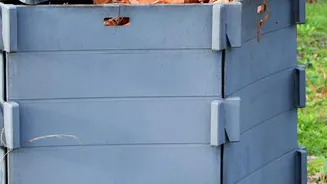
You don't need a fancy or expensive setup to start. For apartment dwellers or small spaces, a simple plastic storage bin with a lid can work wonders. The most critical feature is aeration. Drill several small holes in the lid, sides, and bottom of the bin to allow oxygen to circulate and excess moisture to drain. Proper airflow is non-negotiable for preventing odour. You can also place a tray underneath to catch any liquid. For a slightly more advanced setup, you can insert perforated pipes or even crumpled toilet paper rolls into your pile to create air pockets. If you prefer, commercial compost tumblers or bins are readily available and designed with ventilation in mind.
The Layering Method for Success
Building your compost pile in layers is the key to success. Start with a fluffy base layer of brown materials, like twigs or torn cardboard, at the bottom of your bin. This helps with drainage and airflow from the start. Then, add a layer of your green materials—the vegetable scraps and coffee grounds. On top of that, add another, thicker layer of brown materials, completely covering the greens. Continue alternating these layers whenever you add new scraps. Always finish with a layer of browns on top. This acts as a natural bio-filter, trapping potential odours and discouraging pests.
Maintaining a Healthy, Happy Pile
Your compost needs just a little attention to thrive. The pile should feel like a damp, wrung-out sponge—not dripping wet or bone dry. If it seems too dry, spritz it with a bit of water. If it looks too wet or you notice a bad smell, it's a clear sign you need to add more brown materials and turn the pile. Use a small rake or a compost aerator to mix the contents every week or two. This crucial step introduces oxygen throughout the pile, preventing compaction and ensuring the right microbes are doing their job efficiently. A well-maintained pile will shrink over time as the materials break down.
What to Leave Out of Your Bin
Just as important as what you put in is what you leave out. To maintain an odor-free and pest-free compost bin, avoid adding meat, fish, bones, dairy products, and oily or greasy foods. These items are notorious for producing foul odours as they decompose and are magnets for unwanted visitors like rodents and flies. Stick to plant-based scraps and you'll avoid the most common composting problems.