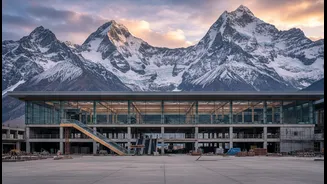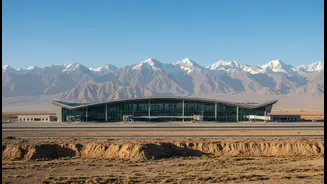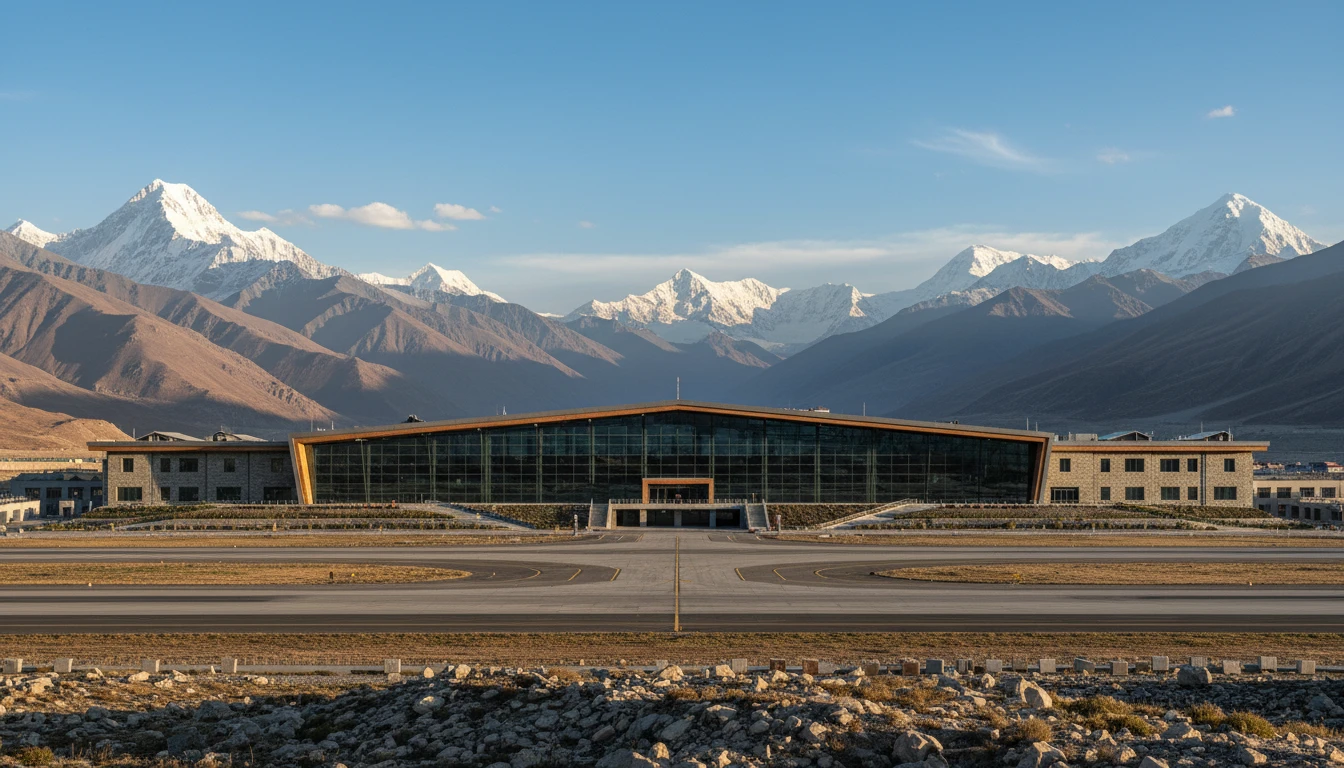




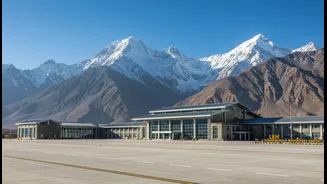




A Modern Gateway in the Himalayas
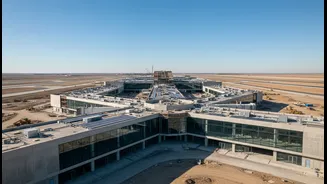
The new terminal at Kushok Bakula Rimpochee Airport in Leh is a game-changing infrastructure project for the region. With officials pushing for a completion date around July or August 2026, the state-of-the-art facility is poised to redefine the travel
experience. The project, which has been under construction for several years, aims to address the growing tourist demand and the limitations of the current terminal. Spread over approximately 19,000 square metres, the three-level structure is designed not just for efficiency but also to give visitors an immediate sense of Ladakhi culture, incorporating local architectural elements into its modern design.
Boosting Capacity and Connectivity
The most significant impact for travellers will be the massive increase in capacity. The new terminal is designed to handle up to 3.5 million passengers annually, a dramatic increase from the current traffic. This will allow the airport to support up to 54 flights daily, a threefold increase from the 18 flights it currently handles during peak season. For passengers, this means more flight options, potentially more competitive fares, and greater flexibility in travel planning. The terminal will feature modern amenities like 20 check-in counters, an advanced baggage handling system, 15 lifts, 12 escalators, and eventually three aerobridges to make boarding and de-boarding quicker and more comfortable, a welcome feature at an altitude of over 10,000 feet.
A Landmark in Green Aviation
Beyond its scale, the terminal is a pioneering project in sustainable infrastructure. It is set to be India's first airport to be powered by a hybrid system of geothermal and solar energy. Given Ladakh's extreme climate, with temperatures dropping far below freezing, heating a large terminal is a major challenge. Instead of relying on conventional methods, the building will use a geothermal system, harnessing the Earth's natural heat via hundreds of borewells for underfloor heating. This, combined with a 700 kWp rooftop solar power system, aligns with the vision of making Ladakh a carbon-neutral union territory. The design also uses special triple-glazed glass to maximise natural light and minimise heat loss, further reducing energy consumption.
What This Means for Ladakh and Travellers
The new terminal is more than just a building; it's a critical piece of infrastructure that will drive economic growth in the region. Improved air access is expected to boost tourism, which had seen a decline, and support local businesses like hotels and tour operators who depend on visitor footfall. For travellers, the upgraded facilities will mean a less strenuous start and end to their journey. The current airport can feel crowded and basic, especially during peak season. The new terminal promises a seamless experience with a peak-hour capacity of 2,000 passengers, significantly reducing queues and congestion. The introduction of aerobridges will also eliminate the need for passengers to walk on the tarmac in harsh weather, a major improvement in comfort and safety.