




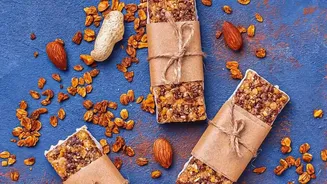
The End of the Flavour Compromise
For years, health-conscious consumers with a sweet tooth faced a bleak choice: either indulge and accept the consequences or settle for a subpar treat that barely scratched the itch. The first generation of 'healthy' snacks often prioritised function
over flavour, leading to a reputation for being bland, dense, or having a distinct aftertaste. However, a significant shift is underway. Driven by a growing consumer base that is unwilling to compromise, the healthy snacks market in India is experiencing rapid growth, with projections showing it will expand significantly in the coming years. This growth is fuelled by rising health awareness and a demand for desserts that are not just tolerable, but truly enjoyable.
The Protein-Packed Revolution
One of the biggest drivers of this trend is the mainstreaming of protein. Once the domain of bodybuilders, protein is now a sought-after ingredient for everyday consumers looking to build muscle, stay full, and manage weight. Brands are responding by infusing high-quality whey, casein, and plant-based proteins into treats that were once pure indulgence. Protein ice creams, for example, have become a breakout category, offering the satisfaction of a frozen dessert with a nutritional profile that supports fitness goals. These products deliver a substantial amount of protein with significantly less sugar than traditional ice cream, turning a guilty pleasure into a post-workout reward. This innovation extends beyond the freezer aisle to high-protein cookies, brownies, and even traditional Indian sweets re-imagined with a healthier profile.
Rethinking Sweetness
The war on sugar has been a major catalyst for creativity. With rising awareness of the health risks associated with high sugar consumption, consumers are actively seeking low-sugar or sugar-free alternatives. Food technologists have risen to the challenge, developing and refining natural sweeteners like stevia, monk fruit, and erythritol. These substitutes have improved dramatically, shedding the bitter aftertaste that plagued early sugar-free products and allowing for the creation of sweets that genuinely compete on taste. This technological advancement means that everything from kulfi to confectionery can now be offered in a 'no added sugar' format without sacrificing the indulgent experience.
Secret Ingredients: The Rise of Functional Foods
Perhaps the most creative aspect of this trend is the use of unexpected, nutrient-dense ingredients. Vegetables and legumes are sneaking their way into dessert recipes, and the results are surprisingly delicious. Avocado, for instance, provides a creamy, dairy-free base for chocolate mousse and adds healthy fats to blondies. Chickpeas and sweet potatoes are being used to create fudgy, high-fibre brownies and cakes, completely changing the nutritional game. Beyond just macros, there is a growing interest in 'functional' ingredients that offer benefits beyond basic nutrition. These can include adaptogens like ashwagandha for stress relief, prebiotics for gut health, or spices like cinnamon and turmeric for their anti-inflammatory properties, turning a simple dessert into a wellness-boosting treat.
Driven by a New Generation of Consumers
This innovation isn't happening in a vacuum. It's a direct response to the demands of a new generation, particularly Gen Z, who are more health-conscious and label-savvy than ever before. They want to know what's in their food and what it does for them. This has pushed brands to focus on 'clean-label' products with transparent ingredient lists. The rise of social media and quick commerce platforms has also been a game-changer. Viral trends can popularise a new healthy dessert overnight, while delivery apps make it easier for small, innovative brands to reach a wide audience, bypassing the slower pace of traditional retail and accelerating the cycle of innovation.