


What Is a 'Use-First' Box?
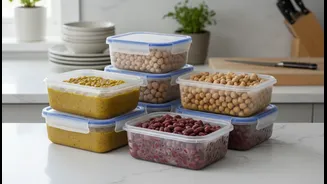
Don’t worry, you don’t need to buy another container. A 'use-first' box is not a physical object but a simple, powerful system for managing your fresh produce. It’s a designated space in your refrigerator—a specific drawer, shelf, or even a clearly labelled
container—for all the vegetables that spoil the fastest. The rule is simple: when you're deciding what to cook, you look in this section first. By making your most delicate produce highly visible and mentally prioritized, you ensure it gets eaten while it's still fresh, crisp, and nutritious. This strategy takes the guesswork out of meal prep and puts an end to finding science experiments in the back of your crisper drawer. It’s about creating a conscious habit that saves money and honours the food you bring into your home.
Identify Your Delicate Vegetables
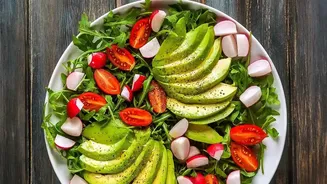
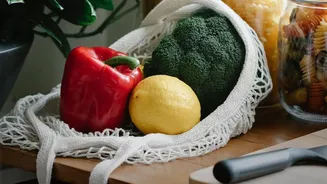
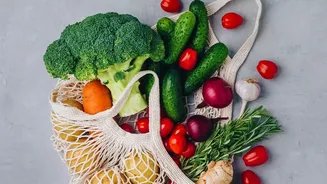
The success of this system hinges on knowing which vegetables need to be placed in your 'use-first' zone. These are the items with a short shelf life, often due to high water content or fragile leaves. Your priority list should include leafy greens like spinach, rocket, and lettuce, which can turn slimy in just a couple of days. Fresh herbs such as basil, parsley, and coriander are also notoriously quick to wilt. Asparagus, green beans, mushrooms, and broccoli have a window of only a few days before they lose their freshness and crisp texture. Even vegetables we think of as sturdier, like bell peppers and cucumbers, should be consumed within a week to avoid them becoming soft and wrinkled. Understanding this hierarchy is the first step to conquering your vegetable drawer.
Master the Rules of Storage
How you store your delicate vegetables is just as important as where you store them. Improper storage can accelerate spoilage significantly. For leafy greens and fresh herbs, the key is managing moisture. Wash and thoroughly dry them, then wrap them loosely in a dry paper towel and place them in an airtight container or a plastic bag. This absorbs excess water that leads to rot. Asparagus spears and herbs like parsley can be treated like a bouquet of flowers; trim the ends and stand them up in a glass with an inch of water in the fridge. Mushrooms, on the other hand, need to breathe and should be kept in a paper bag, not plastic, which traps moisture and makes them slimy. Tomatoes are a special case; refrigeration destroys their texture and flavour, so they should always be stored on the counter at room temperature.
Build Your Weekly System
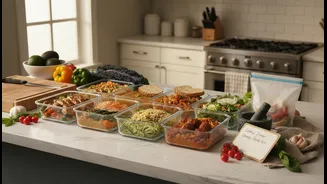
To make the 'use-first' box a true habit, integrate it into your shopping routine. As soon as you return from the market or receive your produce delivery, take a few minutes to sort your haul. This small investment of time pays huge dividends. First, identify all the delicate items. Give them any necessary prep, like washing and drying greens or trimming asparagus. Then, place them directly into your designated 'use-first' area in the fridge. The hardier vegetables—like carrots, potatoes, onions, and cabbage—can be stored in their usual spots, as they will last much longer. This weekly ritual not only organizes your fridge but also gives you a clear mental inventory of what needs to be cooked in the next two to four days, making meal planning effortless.
The 'Use It Up' Lifeline
Even with the best system, you might sometimes find vegetables that are on the verge of turning. This is when you need a few 'use it up' strategies in your back pocket. Greens that are slightly wilted but not spoiled are perfect for smoothies, soups, or wilting into a pasta sauce. Vegetables like broccoli, bell peppers, and green beans that are losing their crispness can be chopped and frozen for future use in stir-fries or casseroles. Creating a 'scrap' bag in your freezer for onion peels, carrot ends, and celery stalks is another brilliant move. Once full, you can boil these scraps to create a flavourful homemade vegetable broth at no extra cost. Think of it as a delicious safety net that ensures almost nothing goes to waste.