
Finland is sold as a land of magic: Northern Lights dancing over snowy forests and serene design. But does the reality always match the postcard? For some iconic spots, managing expectations is the key to an unforgettable trip. Here's a look.
Santa Claus Village: Christmas Magic vs. Commercial Reality
The Expectation:
You picture a whimsical, secluded village in the snowy wilderness, where you’ll have a heartfelt, exclusive meeting with Santa Claus himself. It’s the official home of Christmas, a pure and magical experience. The Reality: Santa Claus Village in Rovaniemi is less of a quaint village and more of an open-air themed resort complex. Entry is free, but almost every activity inside comes with a significant price tag. The much-anticipated meeting with Santa is free, but you cannot take your own photos. A professional photo and video package can be costly. The reindeer and husky sleigh rides available on-site are often very short 'taster' experiences, more suited for a quick photo opportunity than a proper safari through the woods. In December, the entire area can be extremely crowded, with queues defining much of the experience. Despite the commercialism, many visitors, especially families with young children, find the atmosphere genuinely fun if they embrace the spectacle.
The Northern Lights: A Guaranteed Spectacle vs. A Game of Chance
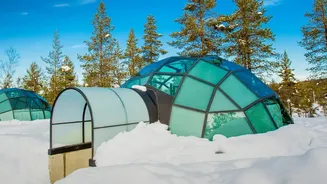
The Expectation: You book a trip to Lapland, step outside at night, and are immediately greeted by vibrant, dancing green and purple lights filling the entire sky, just like in the photos. It’s a nightly, guaranteed performance. The Reality: Seeing the Northern Lights is never guaranteed. It depends on a perfect alignment of three factors: sufficient solar activity, a dark location, and, most crucially, clear, cloud-free skies. Lapland's weather can be notoriously cloudy, which is the most common reason visitors miss the show entirely. Even with a good forecast, the lights might appear as a faint, greyish arc to the naked eye, not the vivid colours captured by long-exposure photography. The best viewing chances are far from city lights, meaning you'll need a plan to get out into the wilderness. While you can sometimes see them from a city like Rovaniemi, light pollution washes out all but the strongest displays. A guided tour can significantly increase your odds, as guides use real-time data to 'hunt' for clear skies, but even they can’t promise a sighting.
Helsinki's Market Square: Authentic Hub vs. Tourist Hotspot
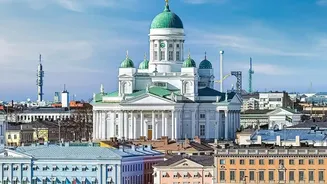
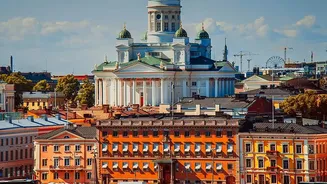
The Expectation: You imagine a bustling square where locals gather to buy fresh produce and traditional goods, a perfect, unfiltered slice of Helsinki life by the sea. You’ll grab an authentic, cheap lunch from a friendly vendor. The Reality: Helsinki's Market Square (Kauppatori) is undeniably scenic and central, but it's also the most tourist-concentrated area in the city. While locals do shop here, especially for fish and seasonal produce in the mornings, the souvenir tents and some food stalls heavily cater to tourists, with prices to match. The experience can feel more like a tourist trap than an authentic local market, especially during the peak summer afternoons. For a more genuine experience, locals and savvy travellers recommend heading to the nearby Old Market Hall or Hakaniemi Market Hall, where you’ll find better value and a more authentic atmosphere just a short walk away. The square's food stalls can still be worthwhile for specific treats like fried vendace ('muikku'), but it's best to go for the atmosphere rather than the bargains.
The Finnish Sauna: Spiritual Ritual vs. Awkward Encounter
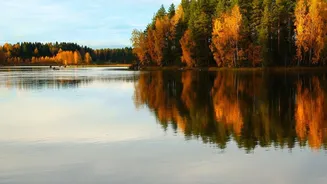
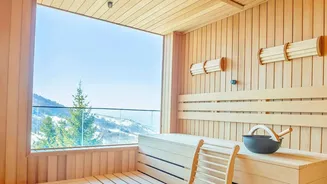
The Expectation: You'll enter a serene, wood-scented sanctuary for a quiet, meditative experience, perhaps followed by a brave plunge into a glassy lake. It will be a deeply authentic, transformative cultural ritual. The Reality: Your sauna experience depends heavily on where you have it. A tourist-focused or hotel sauna might be a lukewarm, crowded room where people wear swimsuits and the rules are unclear, leading to an awkward, underwhelming time. The true Finnish sauna experience, often found in private homes or cottages, is a different world. It’s a social and practical space where nudity is normal and non-sexual. The key is the 'löyly' – the steam created by throwing water on the hot stones – which is central to the experience. A common mistake is not understanding the etiquette: always ask before throwing more water, and embrace the quiet moments of cooling off afterwards. An invitation to a private sauna is a high honour, and turning it down can be seen as a rejection of friendship. For a more authentic public option, seek out traditional public saunas in cities like Helsinki, which are run by volunteers or as local institutions.