


A Living Piece of History
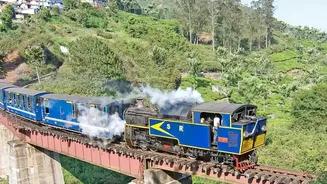
Built by the British and operational since 1908, the Nilgiri Mountain Railway (NMR) is more than just a quaint 'toy train'. It is a celebrated part of the Mountain Railways of India, earning its UNESCO World Heritage status in 2005. The railway was conceived
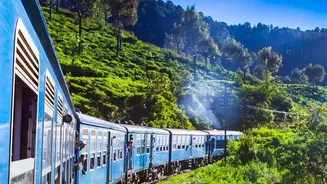
as a way for the British to escape the heat of the plains and retreat to the cool climes of Ooty, their summer capital in the Madras Presidency. For over a century, its vintage wooden coaches and rhythmic chugging have transported passengers on a memorable 46-kilometre journey from Mettupalayam on the plains to the hill station of Udhagamandalam, popularly known as Ooty. The trip uphill takes nearly five hours, a deliberate and unhurried pace that allows you to soak in the region's immense beauty.
An Engineering Masterpiece
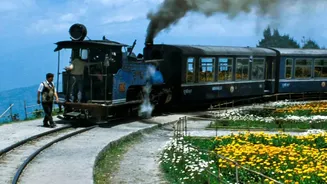
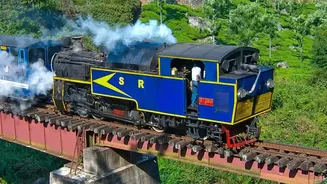
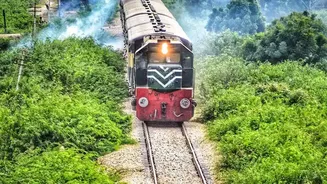
What makes the NMR truly exceptional is its ingenious engineering. It is the only rack and pinion railway in India, a system designed to conquer the steep slopes of the Nilgiris. Between Mettupalayam and Coonoor, the track has a toothed rack rail running between the conventional rails. The locomotive is equipped with a pinion (a cogwheel) that engages with this rack, essentially pulling the train up gradients that are among the steepest in Asia. This Alternate Biting Teeth (ABT) system was a marvel of Victorian-era engineering and remains in use today, a testament to its brilliant design. The locomotives themselves are historic, with powerful 'X' Class steam engines, some built by the Swiss Locomotive and Machine Works, pushing the train up the steepest sections of the journey.
A Journey Through Storybook Scenery
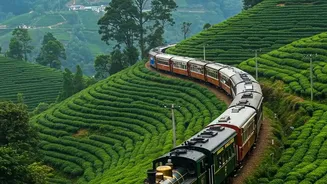
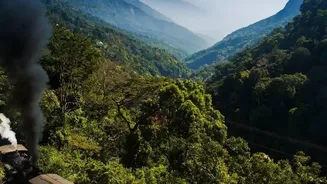
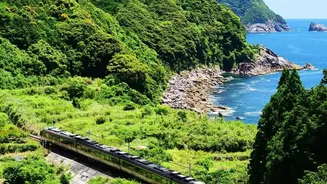
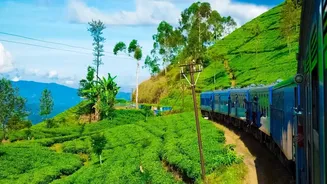
The route from Mettupalayam to Ooty is a visual feast. The train negotiates over 200 curves, crosses 250 bridges, and passes through 16 tunnels, each revealing a new, breathtaking vista. The journey begins on the hot plains, crossing the Bhavani River before beginning its steady ascent. The landscape transforms dramatically, moving through dense shola forests, verdant tea plantations, and mist-shrouded valleys. Passengers are glued to the windows, capturing views of cascading waterfalls, deep ravines, and the rich flora of the Western Ghats. The most scenic stretch is often considered the section from Mettupalayam to Coonoor, where the rack and pinion system is at work and the valley views are at their most dramatic. From Coonoor, a diesel engine typically takes over for the gentler, yet equally beautiful, final leg to Ooty, winding past rolling hills covered in tea gardens.
Iconic Stations and Unforgettable Moments
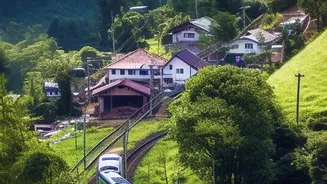
The journey is punctuated by stops at charming, old-world stations like Kallar, Hillgrove, Coonoor, Wellington, Aravankadu, Ketti, and Lovedale. These brief halts offer a chance to stretch your legs, grab a hot cup of tea, and watch the steam engine hiss and prepare for the next leg of its climb. The slow pace of the train, travelling at just over 10 km/h on the steepest sections, allows for a truly immersive experience. It’s a journey that encourages you to disconnect and simply watch the world go by, feeling the cool mountain breeze and listening to the rhythmic pulse of the engine. For a truly cinematic moment, many recall the famous 'Chaiyya Chaiyya' song from the movie 'Dil Se', which was filmed atop this very train, cementing its place in Indian pop culture.
Planning Your Nilgiri Adventure
A trip on the Nilgiri Mountain Railway requires some planning, as tickets are in high demand and often sell out months in advance. Booking online via the IRCTC website is the most reliable way to secure a seat. For those making last-minute plans, a limited number of unreserved tickets are sold at the station on the day of travel, but this often requires arriving hours before departure. The best time to experience the journey is from October to June, when the weather is pleasant and the skies are generally clear, offering unobscured views. For the best valley views on the ascent from Mettupalayam, try to get a window seat on the right-hand side of the train.