






The Power of a Daily Salad
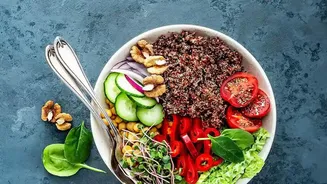
Before we dive into our star ingredients, it's worth appreciating the salad itself. A daily bowl of fresh, raw vegetables is a fantastic way to increase your intake of essential vitamins, minerals, and fibre. This high fibre content is crucial for digestive
health; it helps promote a healthy gut microbiome and can prevent issues like constipation. Furthermore, many salad ingredients are rich in water, which aids hydration and helps the body break down food and absorb nutrients more effectively. Regular consumption of salads is also linked with higher blood levels of powerful antioxidants like vitamins C and E, which protect the body from damage caused by harmful molecules called free radicals.
Cucumber: The Hydration Hero
Often celebrated for its cooling properties, cucumber is a digestive powerhouse largely due to its high water content, which is about 96%. This hydration is essential for maintaining regular bowel movements and preventing constipation, as it helps soften stool. Beyond water, cucumbers provide a good amount of fibre, particularly a soluble fibre called pectin. Studies have shown that pectin can help increase the frequency of bowel movements and feeds the beneficial bacteria in your gut, which improves overall digestive health. The combination of water and fibre makes cucumber an excellent food for keeping your digestive system running smoothly.
Beetroot: The Earthy Nourisher
Beetroot, with its vibrant colour and earthy taste, brings a unique set of benefits to your salad bowl. It is an excellent source of dietary fibre, containing both soluble and insoluble types. This fibre acts as a prebiotic, feeding the friendly bacteria in your gut, such as Bifidobacteria and Lactobacilli. A healthy gut microbiome is essential for efficient digestion and a strong immune system. Beetroots also contain antioxidants called betalains, which help protect gut cells from oxidative stress. These compounds, along with beet's ability to support the liver's natural detoxification processes, make it a fantastic ingredient for promoting gut health and regular bowel movements.
Sprouts: The Nutrient Powerhouse
Sprouts are essentially baby plants, and they are packed with a concentrated amount of nutrients. The process of germination, or sprouting, activates enzymes that help break down carbohydrates and proteins, making them easier for your body to digest and absorb. Sprouting can also increase the amount of dietary fibre, particularly soluble fibre, which is a favourite food for your beneficial gut microbes. This helps beneficial bacteria flourish, contributing to better digestive health. Rich in prebiotic fibres and containing fewer anti-nutrients than their unsprouted counterparts, sprouts are a gentle yet powerful way to nourish your gut.
What 'Gut Cleansing' Really Means
The term 'gut cleanse' can often be misleading, suggesting the need for extreme flushes or detoxes. However, from a nutritional science perspective, the focus is not on aggressively flushing out your system, a practice that can harm your microbiome. Instead, it's about supporting your body's natural detoxification and elimination processes. Eating a diet rich in high-fibre, plant-based foods like cucumber, beetroot, and sprouts is the ideal way to do this. The fibre adds bulk to stool, promoting regularity, while prebiotics nourish the good bacteria that keep your gut ecosystem balanced. A true gut 'cleanse' is a gentle, daily commitment to providing your digestive system with the whole foods it needs to thrive, not a short-term, harsh intervention.