






Beyond a Simple Nutrient Fix
For years, the conversation about food and mood was dominated by a simple, one-way model. The classic example is tryptophan, an amino acid found in foods like turkey and dairy, which is a precursor to the mood-regulating neurotransmitter serotonin. The logic
was straightforward: eat specific foods to get specific nutrients that support specific brain chemicals. While not entirely incorrect, this view is now considered a small piece of a much larger and more intricate puzzle. The emerging field of nutritional psychiatry is moving beyond the focus on single nutrients and instead examining how overall dietary patterns and complex biological systems interact to influence our mental state. This shift acknowledges that our bodies are not simple machines where you can input one ingredient and expect a single, predictable output.
The Gut-Brain Superhighway
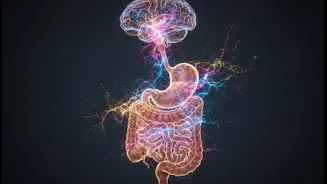
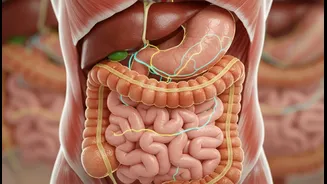
One of the most significant breakthroughs in understanding the food-mood connection is the research into the gut-brain axis. This term describes the constant, bidirectional communication network linking our central nervous system with our gastrointestinal tract. Trillions of bacteria and other microbes, collectively known as the gut microbiome, reside in our digestive system. Scientists have discovered that these tiny organisms play a huge role in our health, influencing everything from our immune system to our emotional well-being. For instance, a significant portion of the body's serotonin is actually produced in the gut. An unhealthy diet, particularly one high in processed foods and sugar, can disrupt the balance of this internal ecosystem, which in turn can send distress signals to the brain, potentially influencing mood and contributing to feelings of anxiety or depression.
It’s a Two-Way Conversation
Perhaps the most crucial evolution in this research is the recognition that the relationship is bidirectional. It’s not just that your diet affects your mental health; your mental health also powerfully influences your diet. When you're stressed, anxious, or depressed, it can change your appetite, sap your motivation to cook healthy meals, and increase cravings for high-fat, high-sugar 'comfort foods'. This creates a feedback loop. Poor mental health can lead to poor dietary choices, which can then worsen gut health and inflammation, further negatively impacting your mood. Understanding this two-way street is critical because it highlights that effective interventions must address both sides of the equation—supporting mental wellness can empower healthier eating habits, and adopting a healthier diet can provide a foundation for improved mental health.
The Overlooked Role of Inflammation
Another key area of modern research is the link between diet, inflammation, and mental health. A diet heavy in processed foods, refined sugars, and unhealthy fats can promote a state of chronic, low-grade inflammation throughout the body. This systemic inflammation doesn't just affect physical health by contributing to conditions like heart disease; it also affects the brain. Studies have consistently shown that people who eat pro-inflammatory diets report more symptoms of depression. By contrast, traditional dietary patterns like the Mediterranean diet—rich in fruits, vegetables, whole grains, and healthy fats—are anti-inflammatory and have been associated with a lower risk of depression and anxiety. This suggests that managing mental well-being isn't just about specific 'brain foods' but about fostering an overall anti-inflammatory environment in the body through whole-food-based nutrition.
The Future is Personal
As our understanding deepens, research is moving toward the concept of personalized nutrition. A one-size-fits-all approach to diet is proving inadequate because every individual's gut microbiome, genetics, lifestyle, and health status are unique. What works wonders for one person may not have the same effect on another. The future of nutritional psychiatry may involve tailored dietary recommendations based on an individual’s specific biological makeup and mental health needs. While we are still in the early stages, this personalized approach offers a promising path forward, moving away from generic advice and toward targeted nutritional strategies that can be integrated with other treatments like therapy and medication to provide a more holistic and effective model of mental healthcare.