





The Gut Health Awakening
In recent years, conversations around health have shifted from calorie counting to a more holistic focus on the gut microbiome—the trillions of microorganisms in our digestive tract. This complex ecosystem is now understood to be a command centre for
overall well-being, influencing everything from digestion and immunity to mood and mental clarity. Approximately 70% of the body's immune system is located in the gut, making a balanced microbiome the first line of defence against pathogens. This growing awareness has led many urban Indians to seek out ways to actively support their gut health, not just as a remedy for digestive issues, but as a proactive step towards long-term wellness and stronger immunity.
From Pills to Potent Potions
For years, the go-to solution for a probiotic boost was a capsule from the pharmacy. While probiotic supplements offer concentrated doses of specific bacterial strains, they are fundamentally an isolated product. Fermented drinks, on the other hand, offer a diverse ecosystem of live bacteria and yeasts. This includes not only probiotics but also beneficial organic acids, digestive enzymes, and antioxidants. More importantly, fermentation breaks down nutrients into more bioavailable forms, meaning they are easier for the body to absorb and utilise. While a supplement delivers a targeted dose, a fermented food or drink provides a holistic package of nutrients that work in synergy, much like nature intended.
Rediscovering Traditional Wisdom
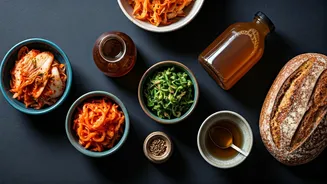
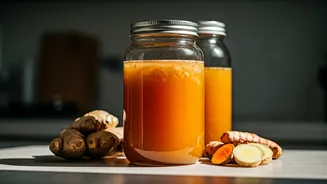
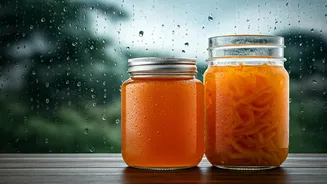
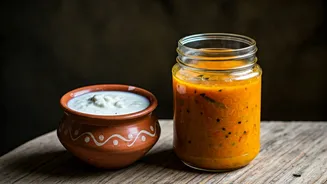
This trend is not about embracing something entirely new, but rather rediscovering age-old Indian traditions. Fermented foods have been a cornerstone of Indian cuisine for centuries, from the humble dahi (curd) and chaas (buttermilk) to regional specialities. One drink making a major comeback is Kanji, a North Indian beverage made by fermenting black carrots or beetroot with mustard seeds. This tangy, probiotic-rich tonic is celebrated for its ability to aid digestion, support immunity, and detoxify the body. Similarly, fermented rice water, known as Pakhala or Rice Kanji, is being appreciated again for its hydrating properties and its richness in B vitamins and gut-healing probiotics. This return to roots reflects a desire for wellness solutions that are both natural and culturally familiar.
The Joy of a DIY Culture
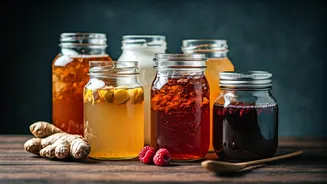
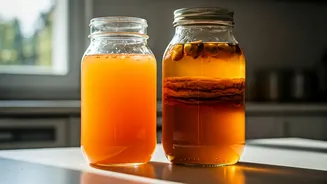
The "home chef" aspect is central to this movement. The pandemic lockdowns provided many with the time to experiment in the kitchen, leading to a surge in hobbies like sourdough baking and, eventually, fermentation. Global ferments like kombucha—a fizzy drink made from sweetened, fermented tea—and kefir, a fermented milk drink, became popular DIY projects. Making these drinks at home offers more than just health benefits; it provides a sense of control over ingredients, avoiding the added sugars and preservatives often found in commercial versions. It is also a cost-effective and satisfying craft, connecting the maker to their food in a more meaningful way and fostering a deeper understanding of natural processes.