


Why Stripes Work Wonders
Before we dive into the 'how,' let's understand the 'why.' Stripes are one of the most fundamental patterns in design, and their power lies in their ability to direct the eye. The human brain is naturally drawn to lines and order. A series of parallel
lines creates a sense of rhythm, movement, and structure that can feel both energising and calming. Thin, delicate pinstripes can evoke a feeling of tailored sophistication, while bold, wide cabana stripes feel playful and summery. This psychological effect is the secret behind their mood-boosting reputation. They introduce a clean, graphic element that can cut through visual clutter and make a space feel more intentional and put-together.
1. Go Vertical for Illusory Height
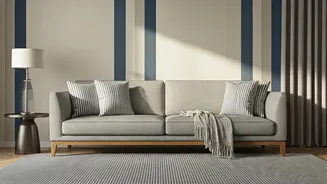
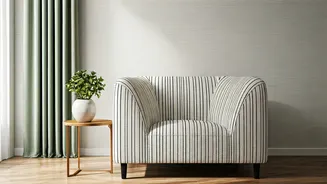
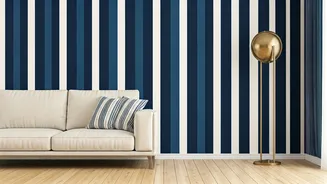
Have a room with low ceilings that feels a bit cramped? Vertical stripes are your best friend. Just as a vertically striped outfit can make a person appear taller, striped wallpaper or paint can draw the eye upward, creating the illusion of height. This simple trick makes a room feel grander and more airy. You don’t have to commit to all four walls. A single accent wall behind a sofa or bed is often enough to achieve the effect without overwhelming the space. For a more subtle approach, consider tall, floor-to-ceiling curtains with a distinct vertical stripe pattern. The continuous line from floor to ceiling will have a similar lifting effect.
2. Use Horizontal Lines to Widen a Room
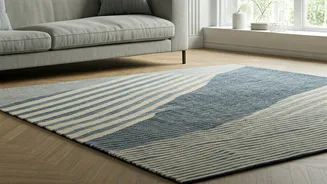
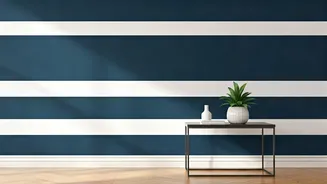
Conversely, if you're dealing with a narrow room, like a hallway or a small study, horizontal stripes can work magic. By drawing the eye from side to side, they make a space feel wider and more expansive. A popular technique is to paint horizontal stripes on the longest wall of a narrow room. You can also achieve this effect with a striped area rug. The lines running across the width of the floor will visually 'push' the walls apart. When using horizontal stripes, consider the scale. Broad, high-contrast stripes make a bold statement, while a tone-on-tone pattern offers a more subtle way to add dimension.
3. Start Small with Textiles and Decor
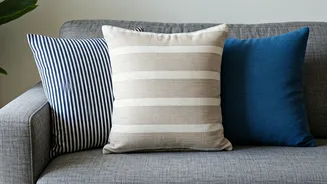
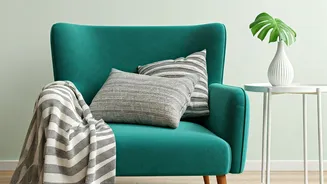
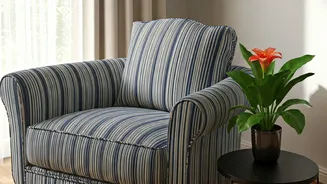
If the idea of striped walls feels too daunting, you can still harness the pattern's happy energy on a smaller scale. Textiles are the perfect entry point. Introduce stripes through throw pillows, a duvet cover, or a cosy blanket draped over an armchair. This allows you to play with colour and scale without a major commitment. A striped lampshade, a set of striped towels in the bathroom, or even a collection of striped ceramic vases can inject that desired graphic punch. These small touches add layers of visual interest and can be easily swapped out as your tastes or the seasons change.
4. Mind Your Colour Palette
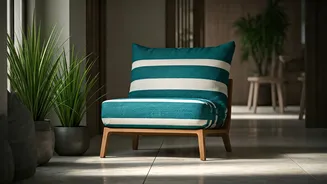
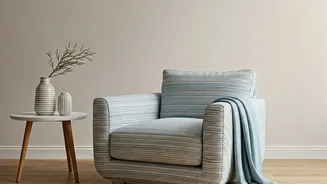
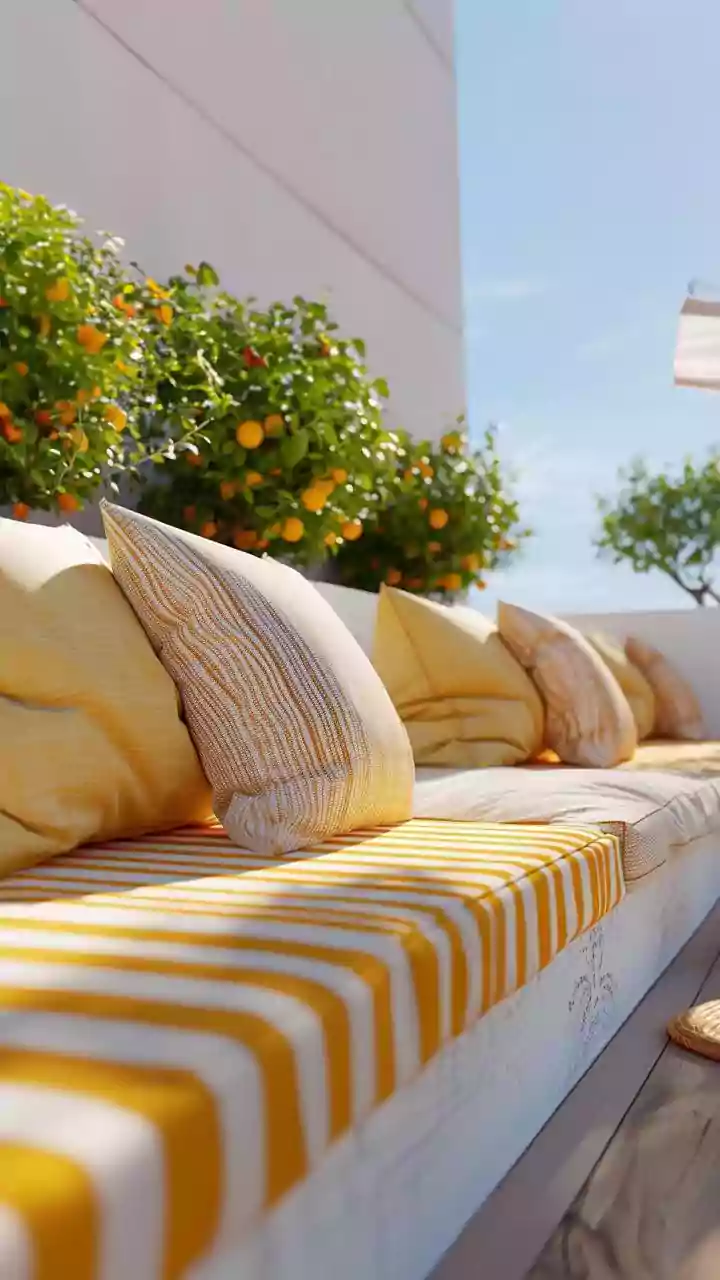
The colour of your stripes is just as important as their direction. For a bright, cheerful, and energetic vibe, opt for high-contrast combinations like classic navy and white, sunny yellow and cream, or even a multi-coloured pattern. These are fantastic for living rooms, kids' rooms, or kitchens where you want to foster a lively atmosphere. If you're aiming for a more serene and sophisticated feel, perhaps for a bedroom or a formal sitting area, choose a low-contrast, monochromatic palette. Think soft grey and white, beige and cream, or two different shades of blue. This approach provides the structural benefit of the pattern without being visually jarring.
5. Mix and Match Like a Pro
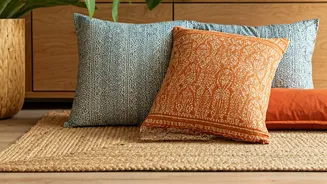
Don't be afraid to mix stripes with other patterns. The key to doing this successfully is varying the scale. For instance, if you have a rug with bold, wide stripes, you can pair it with cushions featuring a small-scale floral or geometric print. A simple rule of thumb is to combine a large-scale pattern with a medium-scale one and a small-scale one. Sticking to a consistent colour family across the different patterns will help tie the look together and ensure the final result feels cohesive rather than chaotic. A black-and-white striped rug, for example, pairs beautifully with cushions that have hints of black in their own unique patterns.