




Your Gut: A Bustling Metropolis
Before we dive into the findings, let's talk about the gut microbiome. Think of it as a bustling city of trillions of microorganisms—bacteria, viruses, and fungi—living in your digestive tract. This internal ecosystem is crucial for your health. It helps
digest food, produces essential vitamins, regulates your immune system, and even influences your mood. For a long time, much of the world's microbiome research focused on Western populations, leaving a massive gap in our understanding of what a 'healthy' gut looks like for people in other parts of the world, especially in a place as diverse as South Asia.
Spotlight on the South Asian Gut
Several recent studies have begun to fill this knowledge gap, revealing fascinating insights specific to the subcontinent. Research has shown that the gut microbiome of the Indian population is unique, containing a significant number of genes not seen in global databases. One major study, the South Asian MicroBiome ARray (SAMBAR), looked at 575 adults from ten different communities across South Asia. It found that geography and community affiliation had a stronger influence on gut composition than simply whether a person lived in a rural or urban area. This highlights just how much local diets, cultures, and lifestyles shape our internal worlds.
Diet, Region, and Your Microbiome
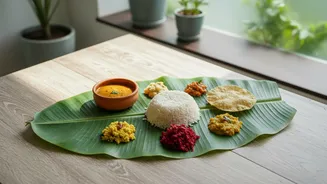
The research makes it clear: what you eat and where you live dramatically shapes your gut bacteria. For example, studies comparing different regions in India found distinct microbial signatures. Individuals in north-central India, who typically consume a plant-based diet, showed a high prevalence of the bacteria genus Prevotella. In contrast, those in southern India with a more omnivorous diet had more Bacteroides and Ruminococcus, which are associated with protein and fat digestion. This isn't just an academic detail; these different bacterial profiles are linked to how our bodies process food and absorb nutrients, fundamentally affecting our metabolic health.
Why 'One Size Fits All' Fails
This is the core takeaway from the research: generic dietary advice is becoming obsolete. A diet that works wonders for one person might be ineffective or even detrimental for another, simply because their gut microbiomes are different. A study on bioactive peptides found in traditional Indian fermented foods like yogurt and idli showed that their health benefits—such as regulating blood pressure and inflammation—vary significantly from person to person. This variation is tied to an individual's unique genetic makeup and existing gut microbiota. What works for your neighbour might not work for you, not because of a lack of willpower, but because of your biology.
The Future is Personalised Nutrition
This emerging science is paving the way for personalised nutrition. Imagine receiving dietary recommendations tailored specifically to your gut's composition and genetic profile. This approach moves beyond broad recommendations like 'eat more fibre' to specific advice on which types of fibre-rich foods would most benefit your particular microbial community. Researchers believe that understanding the unique features of the South Asian gut can help tackle the rising rates of metabolic disorders like type 2 diabetes and obesity in the region. By leveraging this data, it may be possible to develop culturally relevant, low-cost dietary interventions that are far more effective than the generic advice of the past.