



From Spectator to Participant
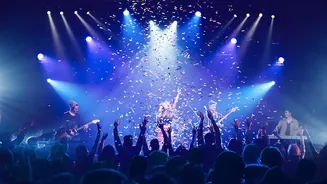
Not long ago, the success of a music or cultural festival was measured by its headliners. Today, that model is evolving. Travellers are increasingly planning trips around festivals that offer more than just a passive viewing experience. They are seeking
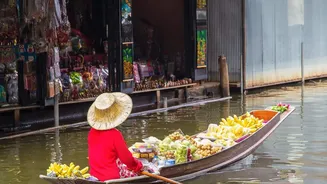
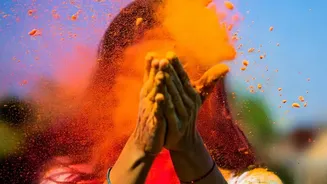
immersion. A 2025 Skyscanner report noted that 82% of Indian travellers planned to attend a festival or heritage site, with a clear preference for authentic, community-integrated experiences. This shift is about moving from being a mere spectator in a crowd to becoming an active participant in a culture. The modern festival-goer wants to learn the artisan's craft, taste the local chef's creation, and understand the stories behind the music. It's a deeper, more engaged form of tourism where the 'fringe' events are fast becoming the main attraction.
The Indian Festivals Redefining 'Main Event'
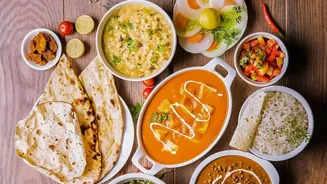
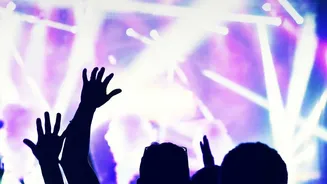
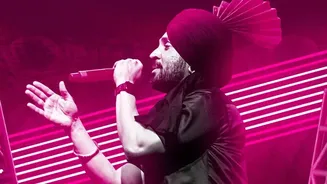
Nowhere is this trend more visible than in India's vibrant festival circuit. Look at the Ziro Festival of Music in Arunachal Pradesh. While it boasts an eclectic lineup of independent music, its identity is equally shaped by its deep connection to the local Apatani community. Attendees can participate in village walks, learn about traditional fishing practices, and live in a setting where bamboo infrastructure is built by local artisans. Similarly, NH7 Weekender, once primarily a music festival, now integrates extensive comedy lineups, art installations, and curated food experiences, making it a multi-faceted cultural event. These festivals understand that their audience isn't just buying a ticket for a concert; they are investing in a memorable, holistic cultural journey.
The Experience Economy in Action
This evolution is also a smart economic move by organisers. By diversifying their offerings, festivals appeal to a broader audience, encouraging attendees to arrive earlier, stay longer, and spend more. A food bazaar featuring local restaurateurs, a craft market for regional artisans, or workshops on traditional pottery are not just add-ons; they are significant revenue streams that also enrich the festival's cultural fabric. This model creates a symbiotic relationship: travellers get the authentic experience they crave, while the festival channels economic benefits directly into the local community. It turns a temporary event into a more sustainable and meaningful cultural exchange, where the destination itself becomes a core part of the experience.
What Today's Traveller Really Wants
At its heart, this trend is about a fundamental shift in values. After years of curated, picture-perfect online lives, there is a growing hunger for something real and tangible. Travellers, especially younger millennials and Gen Z, are reporting fatigue with generic itineraries. They want to return from a trip with more than just photos; they want to come back with a new skill, a new perspective, or a new connection. Festivals that facilitate this — that offer a chance to engage all five senses and connect with the soul of a place — are the ones that are capturing the imagination of the modern cultural explorer. The value is no longer just in who is on the stage, but in the entire world that is built around it.