
Visas & Accessibility: The Ease of Entry
For sheer convenience, Nepal is the undisputed winner. Indian citizens require no visa to enter Nepal, thanks to the open border agreement; a passport or other government-issued ID suffices. This makes a spontaneous trip incredibly easy. Flights from
major Indian cities are short, typically around 1.5 to 2 hours. Sri Lanka also offers a straightforward process with its Electronic Travel Authorization (ETA), which has recently been free for Indian tourists for a 30-day stay. The flight duration from southern India is just 2-3 hours. Vietnam requires an e-Visa, which is an online process that usually takes a few working days. While it involves a few extra steps like having a digital photo and passport scan, it's a manageable process. Flights to Vietnam are longer, around 4.5 to 5 hours, with direct flights now increasing from major hubs.
The September Weather Question
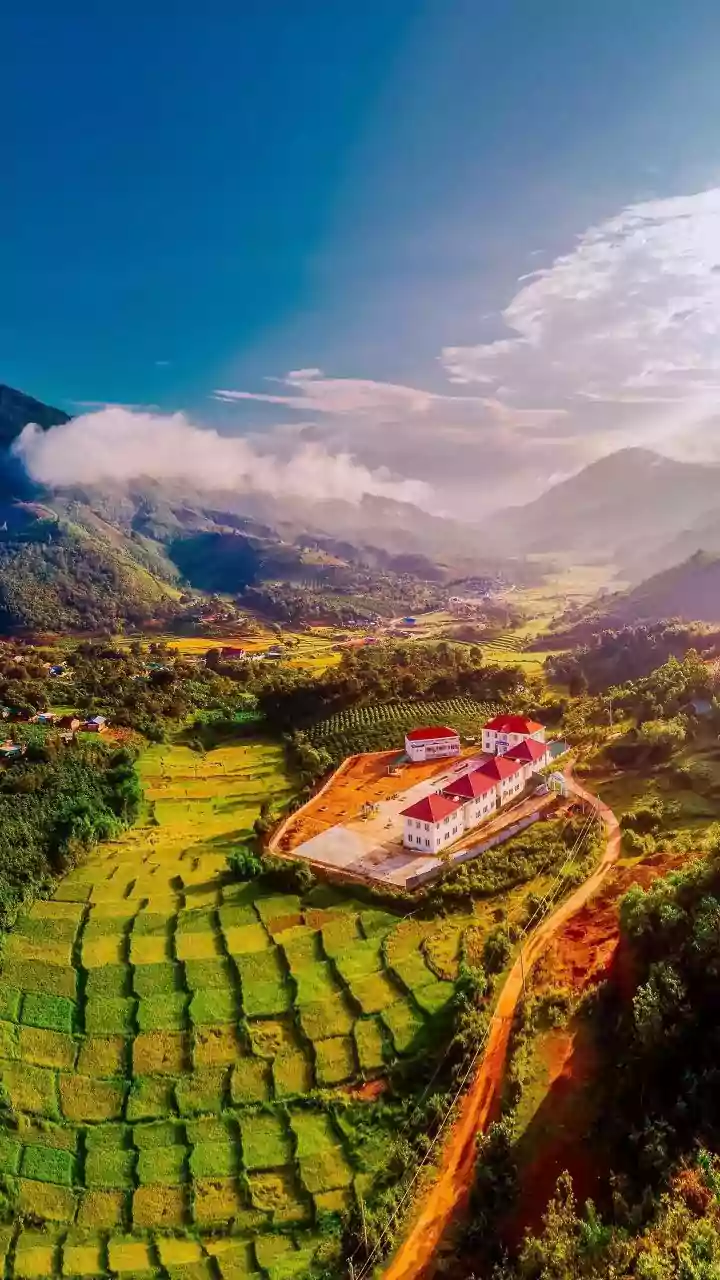
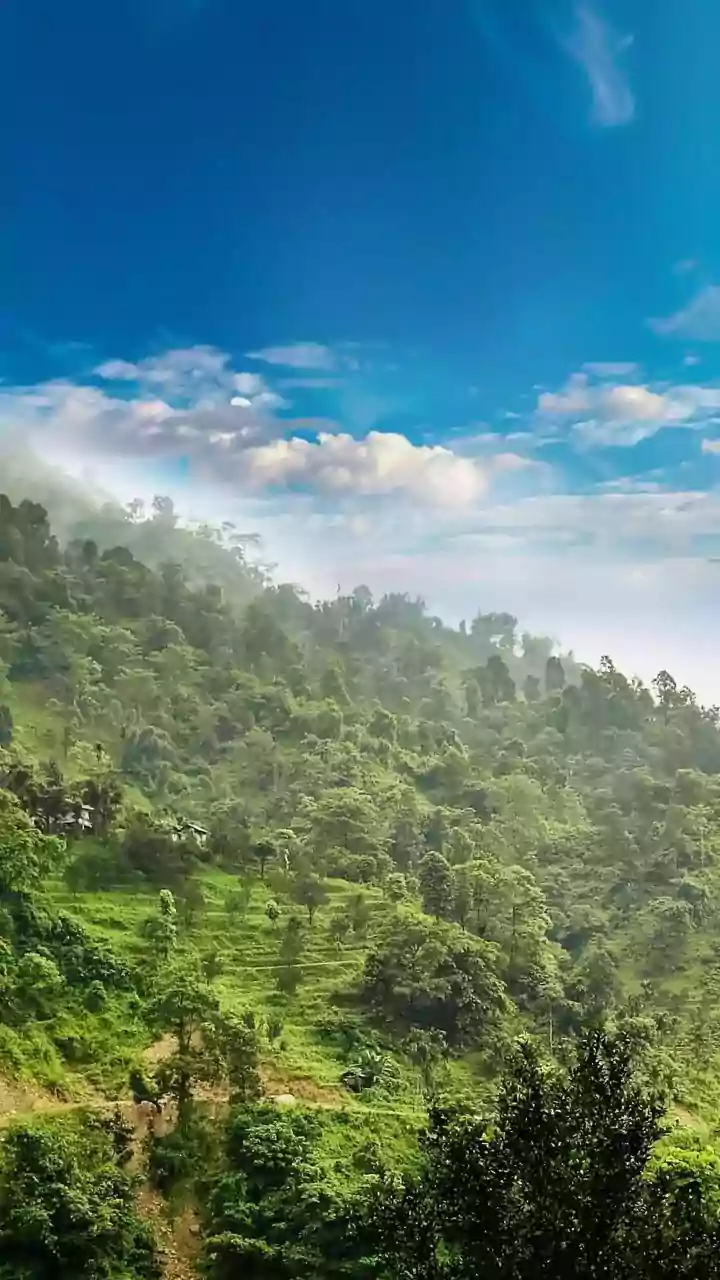
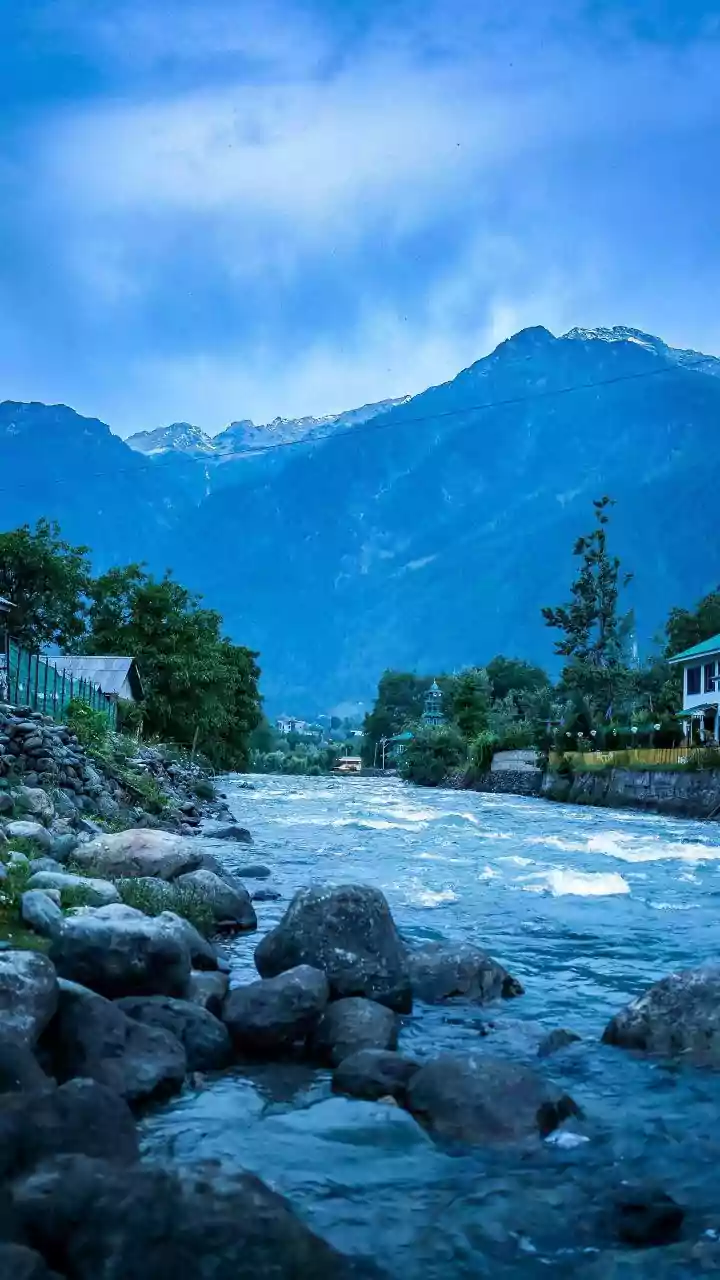
September is a transitional weather month for all three destinations. In Nepal, the monsoon is retreating, and the tourist season is just beginning. While early September might see some rain, especially in the afternoons, the skies begin to clear up towards the end of the month, revealing lush, green landscapes and stunning mountain views. Temperatures are pleasant, generally in the low 20s. Vietnam's weather varies by region. In the north (Hanoi, Ha Long Bay), September sees a decrease in rain with warm days. Central Vietnam (Da Nang, Hoi An) is also transitioning to its dry season, offering good weather for sightseeing. Sri Lanka experiences two different monsoons. In September, the southwest monsoon is ending, so the west and south coasts (Colombo, Bentota) will still see rain, while the east coast and northern regions are generally drier and sunnier, making them a better bet for a beach holiday.
Budget: How Far Will Your Rupee Go?
All three countries are known for being budget-friendly for Indian travellers. Nepal consistently ranks as one of the most affordable international trips from India. The pegged currency, visa-free entry, and inexpensive costs for food and accommodation mean you can manage on a daily budget of ₹2,000–₹3,500, excluding flights. Vietnam offers incredible value for money once you land. Street food is famously delicious and cheap, and budget accommodation is plentiful. Daily expenses can be kept within ₹2,500–₹4,000. Sri Lanka is also highly affordable, especially with the favourable exchange rate. A daily budget similar to Vietnam's, around ₹2,000–₹4,000, is realistic for a comfortable trip. Flights to Nepal and Sri Lanka are generally cheaper than to Vietnam due to the shorter distance.
The Experience: Adventure, Culture, or Relaxation?
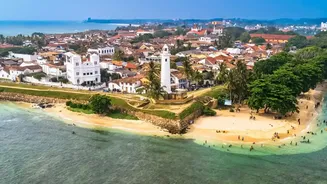
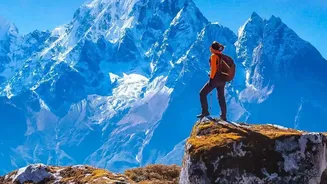
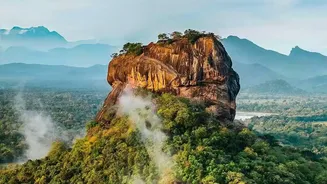
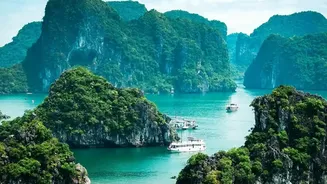
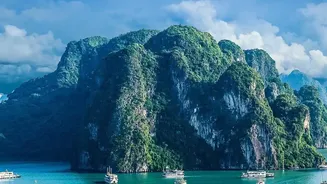
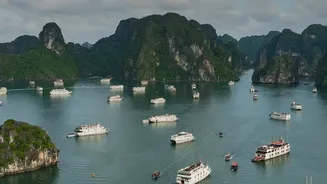
Your choice heavily depends on the kind of holiday you want. Nepal is a paradise for adventurers and spiritual seekers. It's the ultimate destination for trekking, from gentle hikes around Pokhara to more strenuous mountain trails. Kathmandu is a hub of culture with its stunning temples and UNESCO World Heritage sites like Pashupatinath Temple. Vietnam offers a dynamic mix of culture, history, and natural beauty. You can cruise through the limestone karsts of Ha Long Bay, explore the charming lantern-lit town of Hoi An, dive into the history of Ho Chi Minh City, or simply enjoy its world-renowned cuisine. Sri Lanka is perfect for a more relaxed trip that combines beaches, wildlife, and heritage. You can go on a safari in Yala National Park, relax on the southern beaches, visit ancient cities, or take a scenic train ride through the tea plantations of Nuwara Eliya.