








The Challenge at High Altitude
Leh’s Kushok Bakula Rimpochee Airport, situated at a dizzying 10,682 feet, is one of the highest commercial airports in the world. Its unique location presents significant operational challenges, including unpredictable weather and the need for specially
trained pilots to navigate the mountainous approach. For years, the existing terminal has been strained, particularly during peak tourist seasons, leading to congestion and a challenging passenger experience. With Ladakh’s growing popularity and strategic importance, the need for a larger, more efficient gateway became undeniable. The current infrastructure struggles to handle the influx, creating a bottleneck for both tourism and essential civilian and military movement.
A New Gateway to the Himalayas
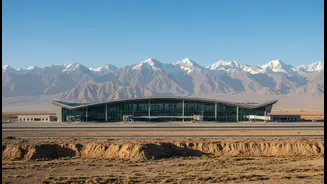
The solution is a sprawling new integrated terminal building, a project that is now substantially complete. Recent updates from the Civil Aviation Ministry confirm that the physical construction is 83% finished, paving the way for a transformative boost in capacity. Once operational, the new terminal will be able to handle up to 54 flights daily, a threefold increase from its current capability. This expansion will dramatically enhance connectivity to the strategically vital Himalayan region. The project is designed to accommodate a massive increase in passenger traffic, with projections of handling up to 3.5 million passengers annually, compared to just over one million currently.
Sustainable Design with a Local Touch
More than just a functional upgrade, the new terminal is an architectural statement designed to reflect Ladakh's unique cultural heritage. The design incorporates traditional motifs and Buddhist symbolism, creating a space that feels deeply connected to its environment. In a remarkable feat of green engineering, the facility is set to become India's first airport to utilize a combination of geothermal and solar power for its heating and cooling needs. This sustainable approach is crucial in the fragile ecosystem of the high-altitude desert. The system will provide efficient heating during the harsh winters, where temperatures can plummet dramatically, ensuring passenger comfort while minimising the airport's carbon footprint.
Broader Impact on Tourism and Strategy
The ripple effects of this infrastructure upgrade will be felt across Ladakh. The increased flight capacity is expected to provide a major stimulus to the tourism sector, which forms the backbone of the local economy. With more flights available, travel to the region will become more accessible and flexible for visitors. Beyond tourism, the airport's expansion holds immense strategic value. Improved all-weather air connectivity is critical for military logistics and for ensuring the region remains accessible year-round, especially when high-altitude passes are closed by snow. The project is part of a broader government vision to modernize aviation infrastructure across the country, strengthening national connectivity and supporting regional growth.