



More Than Just a Condiment
In India, a pickle is never just a pickle. It’s a repository of memory, a testament to regional diversity, and the flavour-packed soul of a million meals. It’s the mango achaar from a recipe passed down through generations, lovingly sun-dried on a terrace.
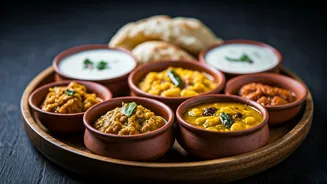
It's the sharp, pungent lemon pickle that cuts through the richness of a festive meal. For decades, the world of achaar has been dominated by two forces: the comforting consistency of mass-produced brands lining supermarket shelves and the inimitable, hyper-local taste of homemade batches. This condiment has been a constant, a familiar anchor on the Indian thali, its role clearly defined and universally understood. It’s the taste of home, preserved in oil and spices.
The New Achaar on the Block
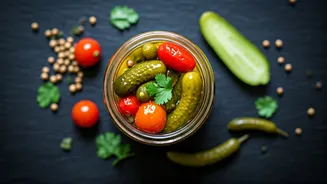
But a quiet revolution is taking place on our plates and in our pantries. The humble pickle is getting a decidedly chic makeover. Driven by a new generation of culinary entrepreneurs, a host of artisanal, small-batch brands are mushrooming across the country, primarily through direct-to-consumer (D2C) online models. Forget the old, functional packaging. These new pickles arrive in aesthetically pleasing jars with minimalist labels, perfect for a spot on an Instagram feed. They speak a new language—one of craft, origin, and small-batch production. This isn't about replacing the old guard; it's about creating a new, premium category that treats the pickle not as a simple side, but as a gourmet product in its own right.
A Fusion of Flavours
The most exciting part of this rebrand is happening inside the jar. While traditional flavours remain the bedrock, these new makers are experimenting with an adventurous palette. Imagine a spicy pork or bacon achaar, a tangy pickle made with olives and feta, or even a sweet and sour ghost pepper concoction. These fusion pickles reflect a more globalised India, one where international ingredients are confidently blended with traditional techniques. The use of pickles is also evolving. Chefs and home cooks are now using them to add a jolt of flavour to everything from gourmet sandwiches and burgers to salad dressings and even cocktails. The pickle is breaking free from its traditional pairing with rice and roti and finding a new home in modern, global cuisine.
Health in a Jar?
This modern rebrand also taps directly into the global wellness trend. Traditional pickles, for all their deliciousness, are often loaded with salt and oil for preservation. The new-age pickle makers are addressing this head-on. Many brands now offer low-sodium versions, use healthier oils like olive or mustard oil in moderation, or use natural sweeteners like jaggery instead of refined sugar. Furthermore, they are amplifying the health benefits that were always latent in pickles: fermentation. By highlighting the probiotic, gut-friendly nature of naturally fermented pickles, these brands are positioning their products not just as a treat for the taste buds but as a boost for your digestive health. Suddenly, a spoonful of pickle doesn't feel like an indulgence, but a mindful choice.
Why Now? The Perfect Recipe
This pickle renaissance isn’t happening in a vacuum. It’s the result of several converging trends. First, there's a growing class of discerning urban consumers who value quality, novelty, and storytelling in their food. Second, the rise of social media and e-commerce has empowered small, independent producers to reach a national audience without massive marketing budgets. Finally, there's a renewed cultural pride and interest in Indian culinary traditions, coupled with a desire to innovate. This trifecta has created the perfect environment for the humble achaar to be rediscovered and celebrated, not as a relic of the past, but as a vibrant and evolving part of India's culinary future.