







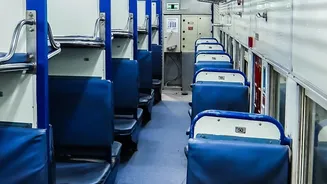
The Vande Bharat Express is synonymous with a premium travel experience, and its onboard catering is a key part of that promise. Now, IRCTC is trimming the menu on three routes in a significant pilot project aimed at improving operational efficiency.
Which Trains Are Affected and What's Changing?
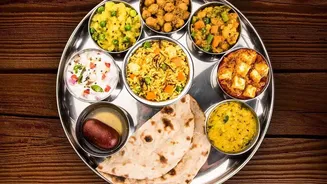
Indian Railway Catering and Tourism Corporation (IRCTC) has initiated a pilot project with a more compact menu on three Vande Bharat sleeper train routes. The changes, which began on November 1, 2026, apply to the Mumbai-Bengaluru, Howrah-Kamakhya (Guwahati), and New Delhi-Varanasi services. The goal is to test a new approach before potentially rolling it out across more trains. The new menu significantly reduces the number of items served, from a spread of eight to ten dishes down to a core of about four. For breakfast, passengers can now choose between options like idli-vada, poha, or upma. Items such as soup, omelettes, sandwiches, buttermilk, and chocolates have been removed from the morning service. Similarly, the lunch and dinner thali will no longer include accompaniments like a separate dry vegetable dish, curd, salad, pickles, and sweets.
The Logic: Simplifying for Better Quality
The primary driver behind this change is a strategic shift from variety to quality. The headline's mention of simplifying 'kitchen loading needs' points to a core operational challenge. Preparing an elaborate, multi-item menu for hundreds of passengers presents logistical hurdles, especially with the quick turnaround times of Vande Bharat trains. By reducing the number of dishes, IRCTC aims to make food quality and hygiene easier to monitor. Officials believe a focused menu allows catering staff and partner kitchens to ensure each item is prepared and served to a higher standard, addressing passenger complaints about food quality that have been a persistent issue. This move mirrors the streamlined catering model used by airlines, where a limited but consistent offering is the norm. The meals for this pilot project are being prepared by large, professional cloud kitchens instead of the previous network of vendors, further centralising quality control.
Less on the Tray, but What Does It Mean for Passengers?
For travellers, this change presents a clear trade-off: less choice for what is hoped to be better, more consistent quality. The total weight of a meal has also been reduced, from roughly 700-750 grams to about 450-500 grams. IRCTC has stated that the portion sizes of the main items—like the sabzi, dal, rice, and chapatis—have not been cut; the weight reduction comes from removing the numerous side dishes. The core lunch and dinner meal now consists of chapati, rice, dal, and a main dish, with a choice between a vegetarian or chicken option. While some passengers may miss the variety and the small extras that made the meal feel more complete, the expectation is that the food served will be fresher and more reliable. The success of this pilot will depend on passenger feedback, which IRCTC is currently evaluating closely.
The Bigger Picture for Vande Bharat Catering
This menu simplification is more than just a diet for the thali; it's a recalibration of the premium service promise. Vande Bharat trains are positioned as a step above traditional rail travel, and the catering is an integral part of that identity. However, delivering a high-end, multi-course meal at scale on a moving train is complex. This pilot project suggests that Indian Railways is fine-tuning its model based on operational realities and customer feedback. If the trial proves successful in reducing complaints and improving satisfaction, this 'less is more' approach could be extended to other premium trains like the Rajdhani and Shatabdi Express. The move also raises questions for passengers, particularly whether the catering charges, which are included in the ticket fare, will be adjusted to reflect the smaller meal size. For now, the focus remains on seeing if a simpler, more manageable menu can lead to a tastier and safer journey for everyone.