




A Symphony of Warmth and Texture
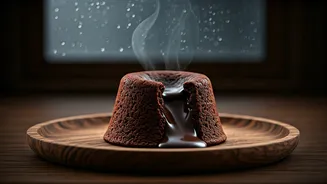
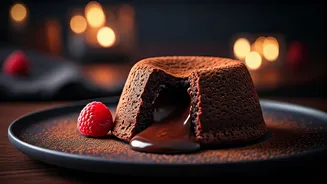
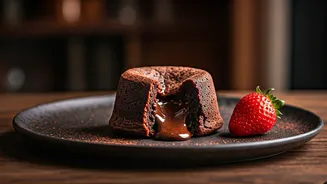
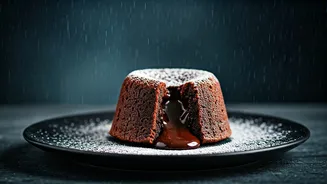
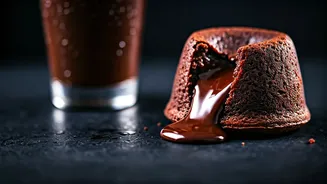
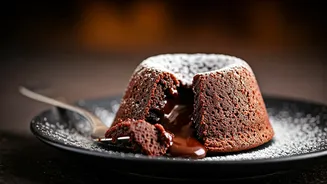
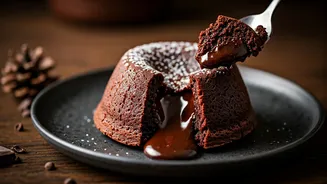
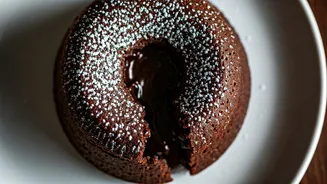
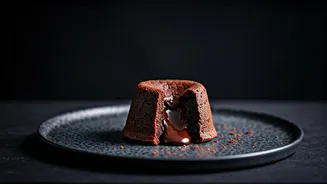
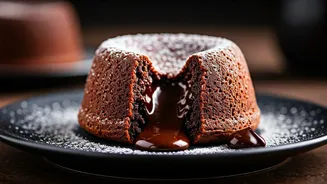
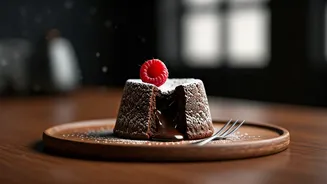
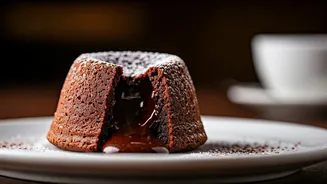
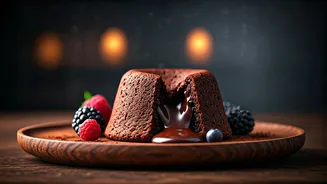
There are few culinary experiences as dramatic or satisfying as breaking into a lava cake. That first press of the spoon against the firm, cakey exterior gives way to a rush of warm, liquid chocolate. It’s a dessert that combines the best parts of a rich
brownie and a delicate soufflé, creating a contrast of textures that is pure indulgence. During the monsoon, when the weather is cool and damp, this combination feels less like a simple dessert and more like a necessity. The warmth of the cake provides a comforting antidote to the gloomy weather, making it a perfect companion for a rainy afternoon spent indoors.
The Science of Comfort Cravings
The connection between rainy days and a craving for rich, warm foods isn't just a coincidence; it's rooted in our biology. Reduced exposure to sunlight during the monsoon can lower levels of serotonin, the hormone that helps regulate mood. Chocolate, rich in compounds like tryptophan and phenylethylamine, naturally stimulates the production of serotonin and dopamine, providing a neurological mood boost. This makes the craving for chocolate desserts a physiological response to the weather. When you combine this with the body's natural desire for warmth and energy during cooler temperatures, the appeal of a hot chocolate dessert becomes undeniable.
An Icon Born from a Happy Accident
For a dessert that feels so timeless, the lava cake has a surprisingly recent and debated history. The two main origin stories point to French chefs in the 1980s. One story credits Michel Bras, who in 1981 intentionally created his 'coulant au chocolat' by baking a cake around a frozen ganache core to mimic the feeling of drinking hot chocolate after a ski trip. The more famous tale, however, belongs to chef Jean-Georges Vongerichten, who claims he accidentally invented it in New York in 1987. He reportedly pulled a chocolate cake from the oven too early, only to find that the undercooked, runny center was a delicious mistake. Regardless of who was first, Vongerichten is widely credited with popularising the dessert, which quickly became a fine-dining staple in the 1990s before conquering the rest of the world.
India's Enduring Love Affair
While pakoras, samosas, and chai are classic monsoon staples, the lava cake has carved out a unique and permanent space in India's comfort food lexicon. It transitioned seamlessly from high-end restaurant menus to become a beloved fixture in countless cafes, bakeries, and even fast-food chains across the country. Its appeal lies in its universal, uncomplicated decadence. It requires no special understanding of complex flavours; it is simply a perfect execution of chocolate. This widespread availability has cemented its status as the go-to celebratory or pick-me-up dessert, especially during the monsoon when the desire for a warm, gooey treat is at its peak.
Still Reigning Supreme
In a world of fleeting food trends, from Dalgona coffee to the rise and fall of mug cakes, the lava cake’s staying power is remarkable. It has outlasted countless other viral sensations because it delivers a consistently satisfying experience. It is both nostalgic and luxurious, simple and dramatic. While chefs continue to innovate with variations—using different grades of chocolate, adding salted caramel, or pairing it with artisanal ice creams—the classic formula remains undefeated. The essential promise of a warm, tender cake giving way to a molten chocolate heart is what keeps us coming back, year after year.