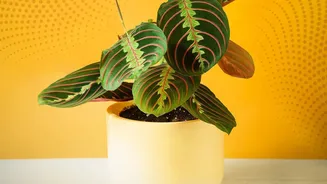




The Green Myth's Origin
The popular belief that houseplants are powerful air purifiers can be traced back to a landmark 1989 NASA study. Researchers, looking for ways to clean the air in sealed environments like space stations, found that common houseplants could indeed remove
volatile organic compounds (VOCs) like formaldehyde and benzene from small, sealed chambers. This finding was groundbreaking and quickly captured the public imagination. The idea of a natural, beautiful solution to indoor pollution was compelling, and soon, lists of 'air-purifying plants' became a staple of lifestyle magazines and websites. The promise was simple: add a few snake plants or spider plants, and breathe easier.
The Reality of Scale
The problem is, your home is not a sealed space station chamber. A 2019 review of decades of research put the NASA findings into a real-world context and came to a sobering conclusion. To replicate the air-cleaning effects seen in the lab, you would need an astonishing number of plants—somewhere between 10 and 1,000 plants per square metre of floor space. In a typical 1,500-square-foot home, that could mean housing nearly 700 plants to make a meaningful difference. The rate at which pollutants are introduced into our homes from cooking, cleaning products, furniture, and daily life far outpaces the slow, steady work of a few potted plants. Natural air exchange from open windows and drafts does far more to dilute pollutants than the plants themselves.
The Unsung Hero: Ventilation
If plants aren’t the solution, what is? The answer is simple and effective: ventilation. Ventilation is the process of replacing stale, polluted indoor air with fresh outdoor air. This single action is the most efficient way to reduce the concentration of a wide range of indoor contaminants, from VOCs and allergens to excess carbon dioxide. Mechanical ventilation systems can significantly reduce dangerous particulate matter and chemicals, leading to better respiratory and cardiovascular health. Think of it this way: plants are like trying to scoop water out of a sinking boat with a teaspoon, while ventilation is like pulling the drain plug. One is a constant, powerful force of removal and dilution, while the other can barely keep up.
How to Actually Clean Your Air
Improving your home's ventilation doesn't have to be complicated or expensive. Opening windows on opposite sides of your home for just 15 minutes a day can create a cross-breeze that effectively flushes out stale air. Make a habit of using exhaust fans in your kitchen when cooking and in your bathroom during and after showers to remove moisture and pollutants at the source. For those living in areas with high outdoor pollution, timing is key—ventilate during off-peak hours when traffic is lighter. You can also supplement these habits with a high-quality air purifier equipped with a HEPA filter. These devices are a form of mechanical filtration that effectively trap fine particles, but they work best in conjunction with good ventilation practices, not as a replacement.
So, Should You Ditch Your Plants?
Absolutely not. While they may not be the air-purifying powerhouses we once thought, indoor plants offer a wealth of other proven benefits. Studies have shown that interacting with plants can reduce stress, improve your mood, boost concentration, and increase feelings of well-being. They add beauty and life to our indoor spaces, connecting us with nature even when we're inside. Think of your plants not as air-filtration machines, but as living decor that makes your home a happier, more calming place to be. Their value is more psychological than physiological when it comes to air quality, but that value is still immense.