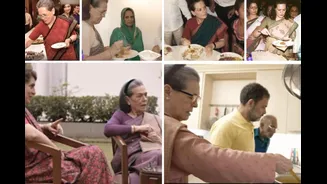



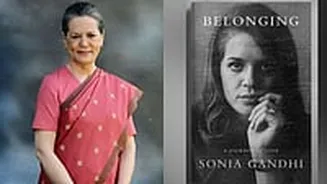
In the storied world of Indian politics, a personal recollection can feel like a rare gift. Sonia Gandhi recently offered one such glimpse, sharing a memory of her mother-in-law's home that brings history, family, and food to life in a single frame.
A Tale of Two Kitchens
Speaking
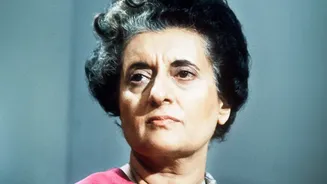
at a recent literary event, Sonia Gandhi transported her audience back in time to 1, Safdarjung Road, the residence of former Prime Minister Indira Gandhi. She reminisced about the home's unique culinary arrangement, revealing that it housed not one, but two distinct kitchens. One was dedicated to continental food, which Mrs. Gandhi had grown fond of, while the other was exclusively for Indian cuisine. More specifically, this second kitchen was the heart of the home's Kashmiri culinary traditions, a testament to the family's heritage. This small architectural detail paints a vivid picture of a household that was at once cosmopolitan and deeply rooted in its Indian identity.
The Prime Minister's Palate
According to her daughter-in-law, Indira Gandhi was a 'foodie' who took great pleasure in her meals. Her dining table was not just a place for nourishment but a vibrant centre for discussion, debate, and the exchange of ideas. The dual kitchens catered to her diverse palate, allowing her to host guests with a wide range of tastes while staying connected to the flavours of her youth. This memory challenges the austere public image of the 'Iron Lady of India', revealing a more personal side—a person who understood the power of a shared meal to foster connection and conversation. The detail about her love for food humanises a figure often seen only through the lens of power and politics.
A Taste of Ancestral Heritage
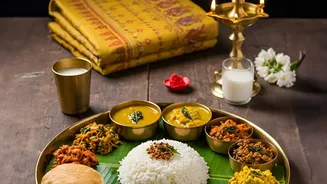
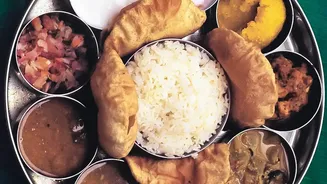
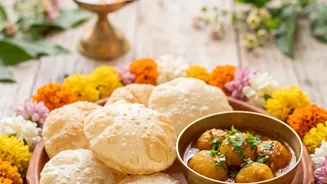
The dedicated Kashmiri kitchen was more than just a preference; it was a living link to Indira Gandhi's ancestry. Hailing from a family of Kashmiri Pandits, the flavours of the valley were an integral part of her identity. Dishes like 'Dum Olav' (slow-cooked potatoes in a rich gravy), 'Nadur Yakhni' (lotus stem in a fragrant yogurt sauce), and the iconic 'Rogan Josh' would have been staples. These preparations, known for their aromatic spices like fennel and dried ginger and the signature absence of onion and garlic in many traditional Pandit recipes, are a cornerstone of Kashmiri culture. By maintaining a separate kitchen, Indira Gandhi ensured that the intricate, slow-cooked traditions of her community were preserved and passed down, even amidst the whirlwind of national governance.
Food as a Bridge to the Past
Sonia Gandhi's anecdote does more than just share a family secret; it underscores how food serves as a powerful vessel for memory and identity. For public figures whose lives are meticulously documented, these small, sensory details offer a more intimate form of history. The aroma of spices from a special kitchen provides a different kind of insight than a political biography ever could. It reminds us that homes, even those at the centre of national power, are still spaces for personal rituals and cherished traditions. The memory reframes 1, Safdarjung Road from a purely political address to a family home, where the scent of slow-cooked Kashmiri food was as much a part of the atmosphere as the weight of state affairs.