









More Than Just Lying Down
Savasana, or Corpse Pose, gets its name from the stillness of the posture, but it is an active state of conscious relaxation, not sleep. [10, 12] Traditionally performed at the end of a yoga session, its purpose is to let the body and mind integrate the benefits
of the practice, release tension, and enter a state of deep rest. [11] While it may look like the easiest yoga pose, many find it challenging. [12] In a world that glorifies constant action, the deliberate act of doing nothing—of simply being still and aware—can feel foreign and even uncomfortable at first. [12] However, this stillness is precisely where the magic happens, offering a profound counterbalance to our hyper-stimulated daily lives. [13]
The Science of a Strategic Pause
The benefits of Savasana are rooted in its effect on the nervous system. [12] When you're dealing with deadlines, back-to-back meetings, and a full inbox, your body is often stuck in a 'fight or flight' mode, driven by the sympathetic nervous system and fuelled by the stress hormone cortisol. [1] This state is characterized by an elevated heart rate, high blood pressure, and shallow breathing. Savasana acts as a powerful circuit breaker, activating the parasympathetic nervous system, often called the 'rest and digest' state. [1] Studies and practitioners note that within minutes of practice, heart rate and blood pressure can lower, breathing deepens, and the brain shifts from active beta waves to calmer alpha and theta waves. [1] This physiological shift reduces stress and anxiety, improves focus, and allows your muscles to release accumulated tension. [1, 11]
Your Ten-Minute Reset: A Step-by-Step Guide
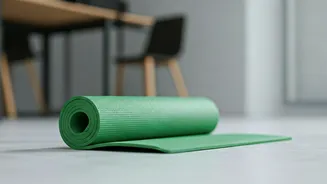
Finding ten minutes for this practice can change the trajectory of your day. Here’s how to do it effectively: 1. Find Your Space: A quiet corner of your office, an empty meeting room, or even your car can work. The key is to find a spot where you won't be disturbed. Turn off your phone notifications. 2. Get Comfortable: Lie flat on your back. If the floor is hard, use a yoga mat or blanket. Your legs should be spread comfortably apart, allowing your feet to fall open naturally to the sides. Let your arms rest a little away from your body, with your palms facing up. [2] This open posture encourages physical and mental release. [7] 3. Close Your Eyes & Breathe: Gently close your eyes. Begin by taking a few deep, slow breaths. Feel your belly rise with the inhale and fall with the exhale. Allow your breathing to settle into a natural, easy rhythm. [2] 4. Scan Your Body: Bring your awareness to your toes and consciously relax them. Slowly move your attention up your body—ankles, calves, knees, thighs, hips, abdomen, chest, arms, hands, shoulders, neck, and face. [18] With each area, intentionally release any tension you might be holding. Relax your jaw and soften the space between your eyebrows. [20] 5. Rest in Stillness: For the remainder of the ten minutes, simply lie there. Thoughts will come and go; this is normal. When you notice your mind wandering, gently guide your focus back to the sensation of your breath without judgment. [2] The goal isn’t to have an empty mind, but to observe your thoughts from a distance without getting caught up in them. When your time is up, slowly bring awareness back to your body, wiggle your fingers and toes, and gently roll to one side before sitting up. [14]
Making the Hack a Habit
Integrating this practice into your workday is about being intentional. You can schedule it in your calendar just like a meeting. Consider it a non-negotiable appointment with yourself for mental clarity. A 10-minute Savasana can be more restorative than scrolling through social media or even grabbing another coffee. Some people find it useful after a stressful meeting or during the mid-afternoon slump to clear their head before tackling the next task. [8] If lying on the floor isn't an option, you can adapt the practice to your chair. Sit upright with your back supported, feet flat on the floor, and hands resting on your thighs, palms up. [9] The principles of breathing and body scanning remain the same. The key is consistency; the more you practice this reset, the more resilient you may become to daily stressors. [22]