





Understanding the Terrain and Timing
The Valley of Flowers National Park is typically open from early June to early October. The best time to visit, however, is from mid-July to mid-August when the bloom is at its peak. This is also peak monsoon season in the Himalayas. Expect cool temperatures,
frequent rain, and misty conditions. Your packing list must account for this unique climate. The trek involves a multi-day journey, usually starting from Govindghat, with a crucial stop at the village of Ghangaria, which serves as the base camp. You are not allowed to stay overnight within the valley itself, so each visit is a day trip from Ghangaria.
Essential Clothing: The Layering System
High-altitude weather is notoriously fickle. You might start your trek in cool sunshine and end it in a cold downpour. The key is layering. * **Base Layer:** Pack two to three pairs of synthetic or woollen thermal tops and bottoms. These wick moisture away from your skin, keeping you dry and warm. Avoid cotton, which absorbs sweat and stays wet, making you feel cold. * **Mid Layer:** This is your insulation. A fleece jacket or a lightweight padded jacket is perfect. It traps body heat while remaining breathable. You'll likely wear this while trekking in the cool morning air. * **Outer Layer:** This is your shield against the elements. A high-quality waterproof and windproof jacket is non-negotiable. Pair it with waterproof trekking pants or a poncho that can cover both you and your daypack. Make sure the seams on your jacket are taped for maximum water resistance.
Footwear: Your Most Important Asset
You will be walking for several hours each day on rocky, uneven, and often slippery paths. Your choice of footwear can make or break your trip. Invest in a pair of sturdy, waterproof trekking shoes with good ankle support and a high-traction sole. Most importantly, break them in before your trip. Wear them for several walks to ensure they are comfortable and don’t cause blisters. Pair them with moisture-wicking woollen or synthetic socks. Pack at least three to four pairs, as they can get wet and take time to dry in the damp mountain air.
The Daypack and Its Contents
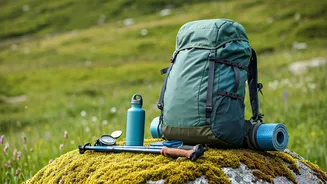
While your main luggage stays at the hotel in Ghangaria, you'll need a small, comfortable daypack (20-30 litres) for your daily excursions into the valley. Here’s what it should contain: a water bottle or hydration bladder (staying hydrated is crucial at altitude), high-energy snacks like nuts and energy bars, your packed lunch, a first-aid kit, your waterproof outer layers, sunscreen, sunglasses, and a cap or beanie. A waterproof cover for your daypack is also a very wise addition.
Health, Hygiene, and Safety
The trek to the Valley of Flowers takes you to altitudes above 3,500 metres. Prepare a personal medical kit with basics like pain relievers, antiseptic wipes, band-aids, blister tape, and any personal medications. Consult your doctor about medication for Acute Mountain Sickness (AMS), such as Diamox, and understand the symptoms. Carry hand sanitiser, a small towel, and toilet paper. The sun at high altitudes can be harsh, even on cloudy days, so a high-SPF sunscreen and lip balm are essential.
Gadgets and Other Necessities
Electricity in Ghangaria can be unreliable. Carry a fully charged power bank to keep your phone and camera alive. Protect your electronics by carrying them in zip-lock bags or a dry bag. While digital payments are common in cities, they are not an option here; carry enough cash for your entire stay in Ghangaria for accommodation, food, and other expenses. A good camera is a must, but don't forget to put it down and simply soak in the views. Finally, trekking poles can be a lifesaver, especially on steep descents, by reducing strain on your knees.