
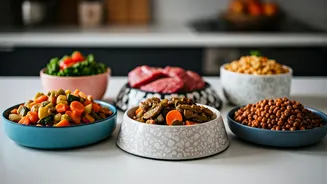


What Exactly Is Fresh Pet Food?
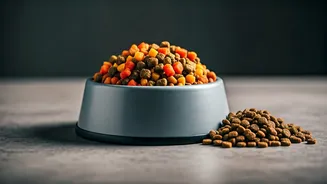
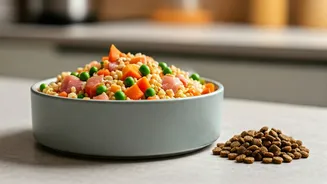
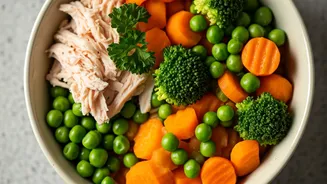
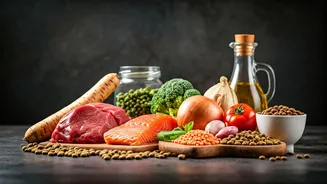
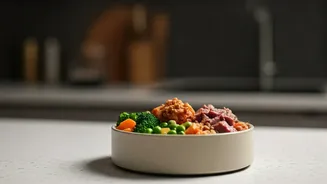
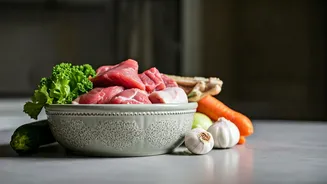
Unlike the highly processed dry kibble or canned varieties that have dominated the market for decades, fresh pet food is exactly what it sounds like. It's made with whole-food ingredients like muscle meat, organ meats, vegetables, and fruits that are
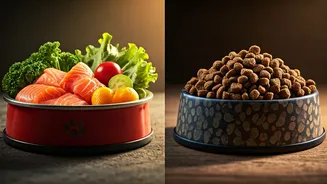
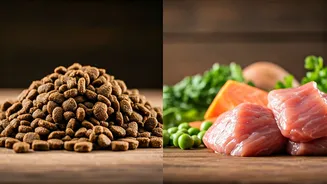
recognisable. These meals are typically gently cooked at lower temperatures to preserve nutrients and kill harmful pathogens, then refrigerated or frozen. The core idea is to offer a diet closer to what an animal might have eaten naturally, but with the safety and nutritional balance that modern science can provide. This contrasts with many commercial kibbles, which are often high in carbohydrate fillers, and use high-heat processing that can diminish nutritional value.
The Link Between Diet and Longevity
The claim that fresh food can extend a dog's life is a bold one, but it is supported by a growing body of evidence. A notable long-term study by researchers Lippert and Sapy found that dogs fed a high-quality, homemade-style fresh diet lived, on average, 32 months longer than dogs on a diet of industrial, processed food. While no diet can be a guarantee of a longer life, the research indicates that diet is one of the most significant factors influencing a dog's lifespan. The principle is simple: a healthier body is better equipped to resist disease and manage the effects of aging. By providing superior nutrition, fresh food helps build a strong foundation for long-term health.
How Fresh Food Boosts Health
The benefits of a fresh diet are linked to several key health improvements that collectively contribute to longevity. A primary factor is better weight management. Obesity is a major health issue for dogs, and fresh diets, portioned correctly, can help maintain a lean body mass, which is proven to extend life. Furthermore, the high moisture content (around 70%) in fresh food helps support kidney health and hydration, a stark contrast to dry kibble. Owners who make the switch often first notice external benefits like a healthier skin and coat, but the internal advantages are more profound. These include improved digestion due to less processed ingredients, a stronger immune system, and reduced inflammation, which is a key driver of many age-related diseases.
Decoding 'Vet-Approved'
The term 'vet-approved' or 'vet-recommended' can be confusing for consumers. Legally, these terms are not tightly regulated and can sometimes mean that as little as one vet, potentially employed by the company, has given it a nod. However, reputable brands use these terms to signify that their recipes are formulated by board-certified veterinary nutritionists to meet established standards, like those from AAFCO (The Association of American Feed Control Officials). A truly 'vet-approved' food is one that is complete and balanced for your dog's life stage. This is different from a 'therapeutic' or 'prescription' diet, which is designed to manage a specific medical condition and requires a vet's prescription. For Indian consumers, a growing number of local and international brands like Royal Canin and Farmina, as well as domestic players like Drools, offer scientifically formulated options.
Making the Switch: Is It Right for Your Dog?
Switching to a fresh food diet is a significant decision. The most obvious consideration is cost and convenience, as fresh food requires refrigeration and is more expensive than kibble. However, for many owners, the investment in their pet's health is worthwhile. It's especially beneficial for picky eaters, dogs with sensitive stomachs, or those with certain food allergies, as the simple, whole-food ingredients are often easier to digest. Before making any major dietary changes, the most crucial step is to consult your veterinarian. They can assess your dog's individual health needs, help you choose a reputable brand, and guide you on how to transition them to their new food safely to avoid digestive upset.