




The Allure of Convenience vs. The Reality of Processing
During Navratri, a time for spiritual discipline and bodily cleansing, turning to ready-to-eat snacks can feel like a necessary shortcut in a busy life. The market is flooded with options labelled 'vrat-friendly', from potato chips and namkeens to sweets.
However, the core principle of Navratri fasting is to consume pure, 'sattvic' foods that are light and easy to digest. Most packaged items, by their nature, are processed and may contain preservatives, high levels of salt, and unhealthy fats, which can be 'tamasic'—creating dullness and lethargy. This processing often strips the food of its life force, or 'prana', running counter to the goal of detoxification and spiritual focus.
Become a Label Detective: The Ingredient List Is Key
The single most important step before buying any packaged vrat food is to read the ingredient list. Often, the front of the package makes health claims that the back contradicts. Look for snacks with short, recognizable ingredient lists. If the list is long and full of names you can't pronounce, it's a red flag for artificial additives, colours, and flavours. Prioritize products made from whole, natural ingredients like makhana (fox nuts), nuts, seeds, and whole pseudo-grains like amaranth (rajgira) or buckwheat (kuttu). These provide sustained energy through protein and fibre, unlike snacks made from refined starches.
Watch Out for Hidden Sodium
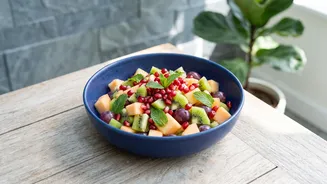
While rock salt (sendha namak) is permitted during Navratri, packaged snacks often contain excessive amounts to improve taste and shelf life. High sodium intake can lead to water retention, bloating, and increased thirst, making your fast uncomfortable. It can also contribute to higher blood pressure. Check the nutritional information for the sodium content. A better alternative is to prepare simple snacks like roasted makhana or a fruit chaat at home, where you can control the amount of salt used.
Unmasking Sugars and Unhealthy Fats
Many savoury 'vrat' snacks and most sweets are loaded with hidden sugars to enhance flavour. Sugar can be listed under many names, including glucose, fructose, dextrose, maltodextrin, or corn syrup. These refined sugars can cause sharp spikes in blood sugar, followed by energy crashes, leaving you feeling tired and hungry. Similarly, pay close attention to the type of fat used. Many packaged snacks are deep-fried in poor-quality, refined, or hydrogenated oils (trans fats), which are detrimental to heart health and digestion. Look for snacks that are baked, roasted, or made with healthier fats like ghee or cold-pressed oils.
Embrace Wholesome Homemade Alternatives
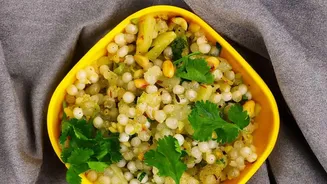
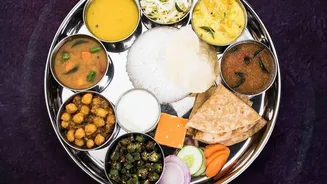
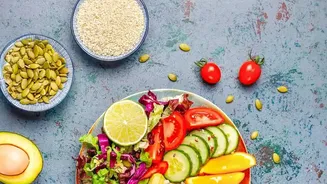
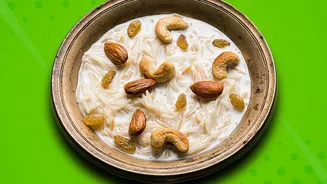
The healthiest and most spiritually aligned way to observe a Navratri fast is by relying on fresh, homemade foods. The purpose of fasting is partly to give your digestive system a rest and detoxify the body. Packaged and fried foods burden the system. Simple, nourishing options are easy to prepare. A bowl of fruit, a handful of nuts and seeds, or a glass of milk provides excellent nutrition. Roasting your own makhana with a pinch of rock salt, preparing a sweet potato chaat, or making kheer with sama rice and jaggery are far better choices than their store-bought counterparts. These foods are not only purer but also more nutritious, keeping you energized and focused throughout the nine days.